Why Your Sun Sign Horoscope Rarely Rings True: The House System Most Apps Miss
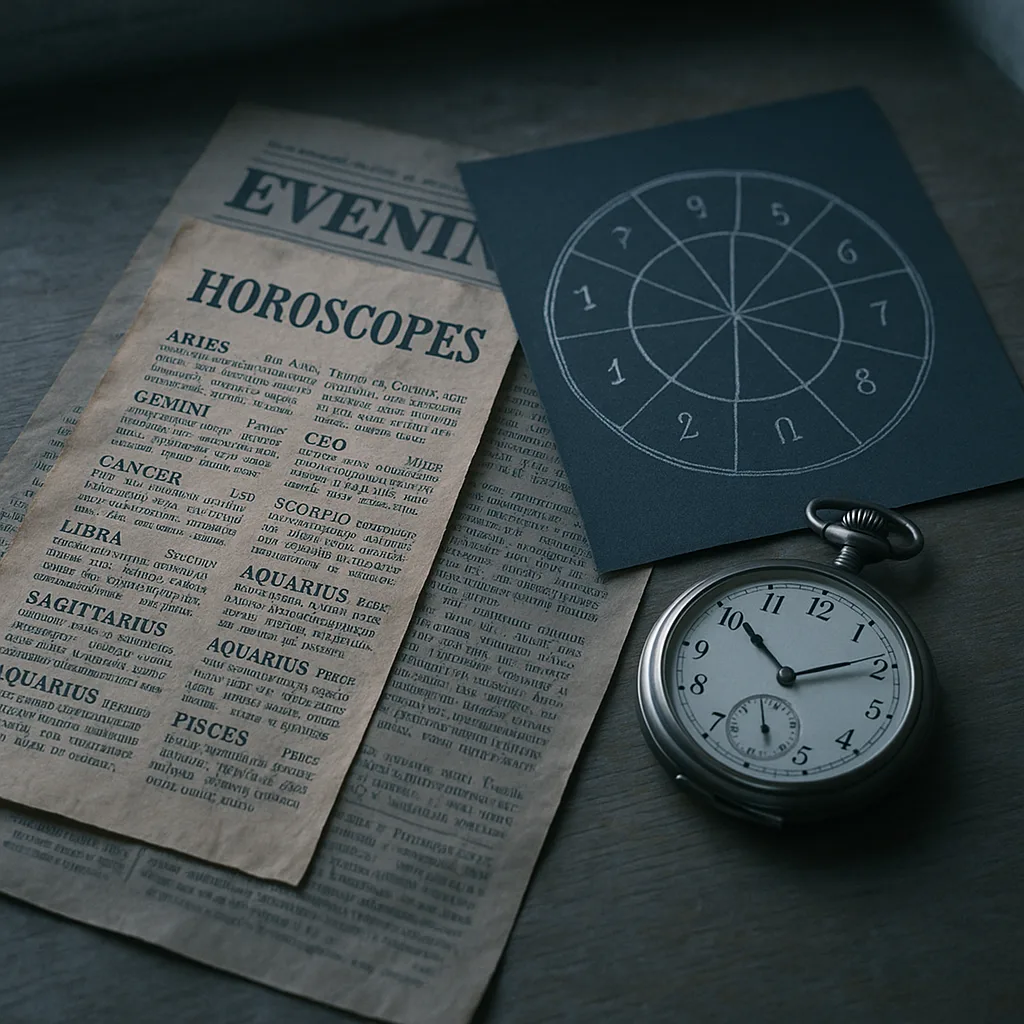
It's a common complaint: someone reads the daily horoscope for the sun sign they've known since childhood, and it feels like it could describe anyone but them. The forecast talks about money, but what's actually pressing is health. It mentions romance, but what weighs heavy is the relationship with a parent. This isn't a failure on the part of the column writer. It's how mass-market horoscopes are built.
Every generic horoscope, whether in a newspaper, magazine, or app, is calculated from a single data point: the sun sign, determined by birth date. This simplification is necessary because calculating a full chart for each reader would be impractical in a general-audience article. The problem is that the sun sign represents only a small slice of the structure that actually organizes someone's life: the astrological houses.
The sign shows what; the house shows where
Thinking about astrology without houses is like reading the weather forecast without knowing which city. Heavy rain is one piece of information; heavy rain in which location is another, far more useful. The sign (and planets within it) describes what energy is at play: communication, tension, expansion, withdrawal. The house says in which concrete area of life that energy will show up: career, home, body, money, relationships.
Generic horoscopes only have access to the first part. They know, for example, that Mercury is making a tense aspect today and that this affects people with Gemini prominent. But they have no way of knowing whether, in your specific chart, that Mercury falls in the house of career or the house of home life. That's why the forecast can be technically correct about the day's overall climate and still completely miss the mark. For those wanting to understand the logic behind this calculation, planet plus natal point plus aspect, the step-by-step breakdown is available in how to read a planetary transit.
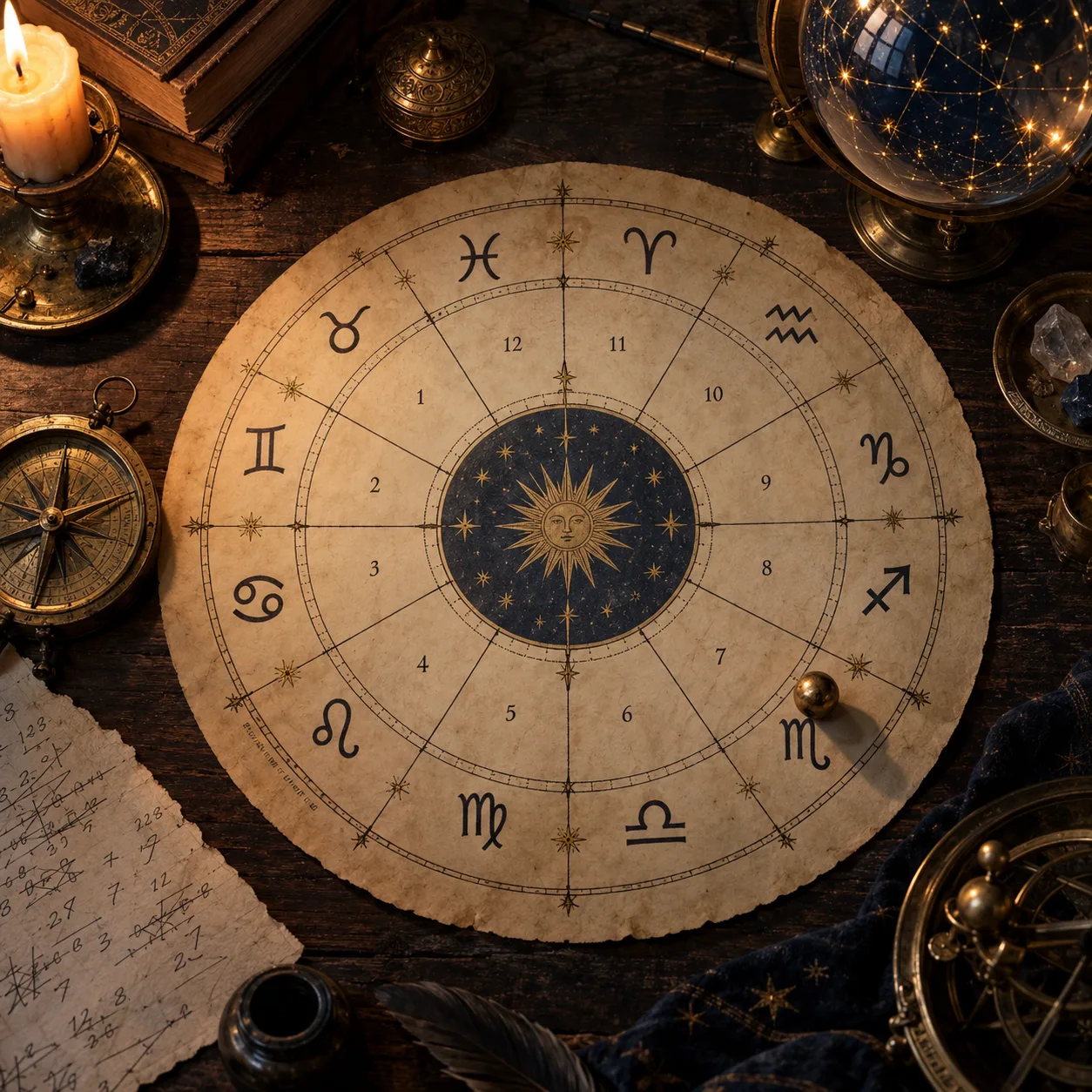
The twelve houses cover specific areas: identity, money, communication, home, creativity, work, partnerships, shared resources, philosophy, career, friendships, and spirituality. A transit that activates house 7 speaks to relationships. The same transit landing in house 10 for someone else speaks to professional reputation. This is the difference that newspaper horoscopes can't capture, because they never know which house each planet is falling into for each individual reader.
The rising sign changes everyone's house positions
Here's the point most mass-market horoscopes never mention: the houses in your chart don't depend on your sun sign. They depend on your rising sign, calculated from your exact birth time.
Two people born on the same day with the same sun in Taurus could have completely different rising signs if one was born in the morning and the other at night. This means house 10, the house of work and reputation, could fall in Taurus for one and Scorpio for the other. A Mars transit through Taurus, which the generic horoscope attributes to everyone with sun in that sign, will activate one person's career and something completely different, like shared financial resources, in another person's life.
This is why two people of the same sun sign can experience the same astrological period in opposite ways. The sun is the same. The rising sign, and the houses it organizes, is not. This becomes even clearer when comparing a fast transit, which passes in hours or days, with a slow transit, which can take months to cross an entire house; the difference between the two types is detailed in fast and slow transits.
It's also worth remembering that not every heavy transit in the sky is personal. Movements of slow planets like Pluto in Aquarius or Uranus in Taurus affect entire generations at once, and distinguishing collective crisis from individual crisis requires looking at the natal chart, not just the horoscope headline. This distinction is explained in collective transits vs. personal transits.
Why your rising sign horoscope tends to be more accurate
Astrologers who study this closely often recommend a simple practice: instead of reading only your sun sign forecast, also read your rising sign forecast when you know it. This happens because the rising sign is the cusp of house 1, the house of identity, appearance, and how a person moves through the world. Transits falling on the rising sign tend to be felt more immediately and physically than those falling only on the sun sign.
If you don't know your own rising sign, you're essentially reading a forecast for someone similar to you, but not actually you.
This logic of houses isn't exclusive to Western astrology. In the Vedic system, the twelve houses are called bhava and follow their own rules, stricter than the equal house system used in the West; how this model works is explained in bhava: the 12 houses of Vedic astrology. In the Western system, the rising sign also has a sidereal equivalent called Lagna, calculated on a different zodiac and with its own variations, described in Lagna in Vedic astrology.
A practical example of how to calculate the difference
To visualize the impact of the rising sign, follow a simple logic with hypothetical data for two people born on the same day:
- Person A is born at 6 a.m., with sun in Taurus and rising sign Taurus. For them, house 1 (identity) and house 10 (career) fall in Taurus and Aquarius, respectively.
- Person B is born at 6 p.m. on the same day, also with sun in Taurus, but with rising sign Scorpio. For them, house 1 falls in Scorpio and house 10 lands in Leo.
- When Mars transits through Taurus, Person A feels the direct impact on their own identity and indirectly on their career, because Taurus rules those two houses in their chart.
- Person B, with the same Mars transit through Taurus, feels this transit activating their house 7 (relationships), since Taurus occupies that position in their chart, not house 1 or 10.
- The generic horoscope, read by both, mentions only Mars in Taurus and suggests 'action and physical energy,' without being able to say which of the two will feel this in identity, career, or relationships.
The table below summarizes the difference between what a generic horoscope knows and what it misses because it depends on individual rising signs:
| Chart element | What generic horoscopes consider | What depends on rising sign (birth time) |
|---|---|---|
| Sun sign | Yes, it's the foundation of all mass horoscopes | Doesn't change with birth time |
| House positions | No, ignored in generic horoscopes | Yes, changes roughly every two hours |
| Area of life affected by a transit | Not specified | Determined by which house the transit activates |
| Intensity felt in body/identity | Not differentiated among readers | Stronger when the transit touches the rising sign |
What to do with this information in practice
You don't need to abandon your sun sign horoscope, but it helps to adjust your expectations. A few guidelines make it easier to filter what actually applies:
- Finding your rising sign requires exact date, time, and location of birth, because it changes roughly every two hours.
- Reading the forecast for both your sun sign and rising sign usually gives a fuller picture of the period than reading just one.
- When a generic forecast seems to miss the mark, consider that the cited transit may be falling in a different house than expected in your individual chart, not necessarily that the forecast is wrong.
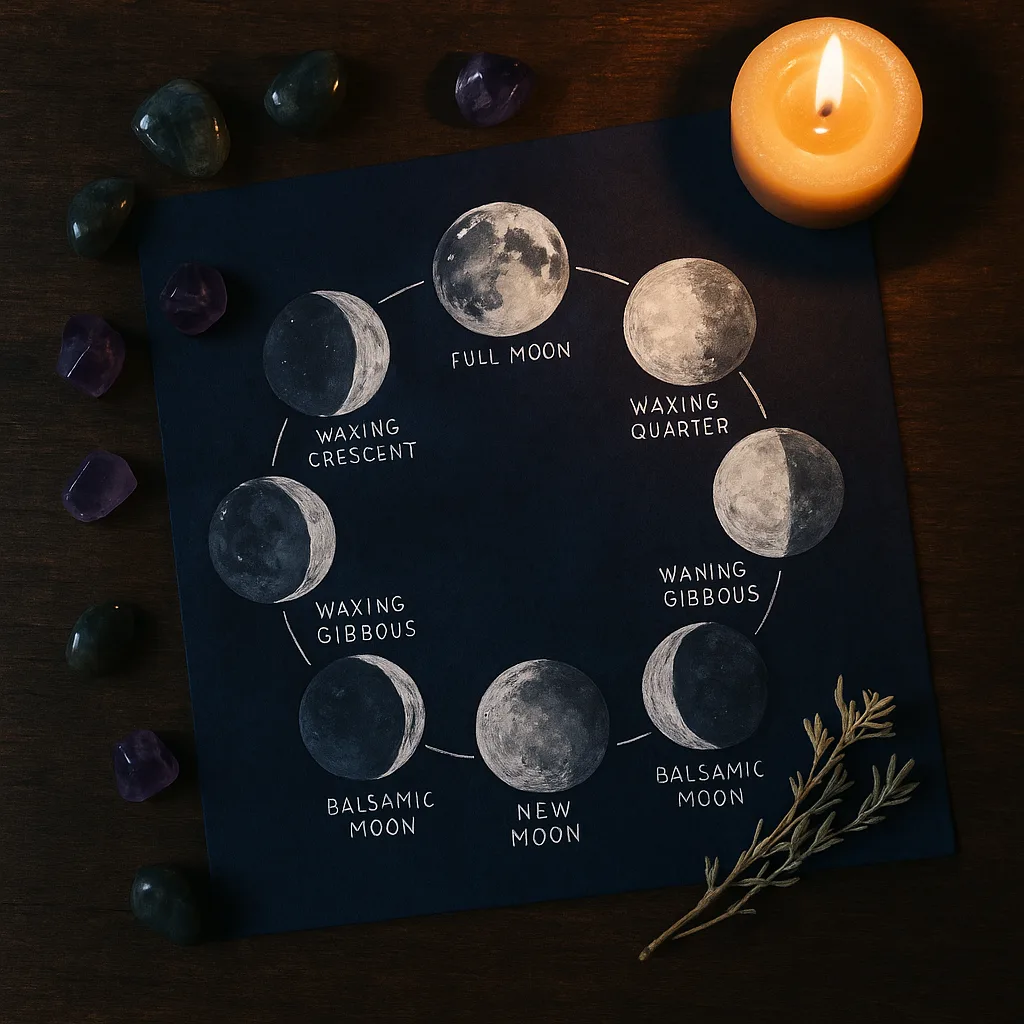
This attention to exact birth time also matters for those tracking lunar phases. Your natal Moon, calculated from the exact moment of birth, reveals a fixed personal phase, different from the phase the sky shows on each calendar date; the site timeanddate.com provides a lunar phase calendar and ephemerides by city, which helps you check what phase the Moon was in on the exact date and time of a birth. Understanding this difference between the Moon of the day and the natal Moon is explained in more depth in what phase was the Moon the day you were born.
Mass-market horoscopes still have value as a general barometer of the astrological climate. What they can't do, by design, is pinpoint exactly where that energy will land in each reader's life. Only an individual natal chart, with precise birth time, can answer that.
Frequently asked questions
Why does my sun sign horoscope never match what happens in my life?
Because generic horoscopes are calculated only from the sun sign, which indicates what energy is in play but not in which area of life it will show up. That second part depends on the position of astrological houses, which change based on the rising sign, calculated from your exact birth time.
What matters more for understanding a forecast: sun sign or rising sign?
Both tell part of the story. The sun sign shows the type of energy in motion, and the rising sign, by organizing the houses of your chart, shows in which concrete area of life (work, relationships, money) that energy tends to manifest most strongly.
How do I find my rising sign to read the correct horoscope?
You need to know your exact date, time, and location of birth, because the rising sign changes roughly every two hours. Without a precise birth time, it's impossible to correctly calculate the houses of your chart or determine which rising sign you have.
Can two people with the same sun sign experience the same transit differently?
Yes. If they were born at different times, they likely have different rising signs, which changes the house positions in each person's chart. The same planetary transit can fall in one person's career house and another person's relationship house.
Is it worth continuing to read the generic sun sign horoscope?
It's useful as a general barometer of the astrological climate of the period, but don't expect precision about which area of life will be affected. For that, it's more helpful to also read your rising sign forecast or consult an individual natal chart.

Recomendado
Mapa Astral Kármico
Você já sentiu que certos padrões se repetem em sua vida? Relacionamentos que seguem o mesmo roteiro, desafios que parecem voltar ou talentos que surgem naturalmente? Nada disso é por acaso.
Universo Astral Editorial Team · Tarot and moon transits
This article was produced by the Universo Astral editorial team, with AI tools assisting research and drafting and human review before publication. If you spot anything inaccurate or outdated, let us know at our contact email.