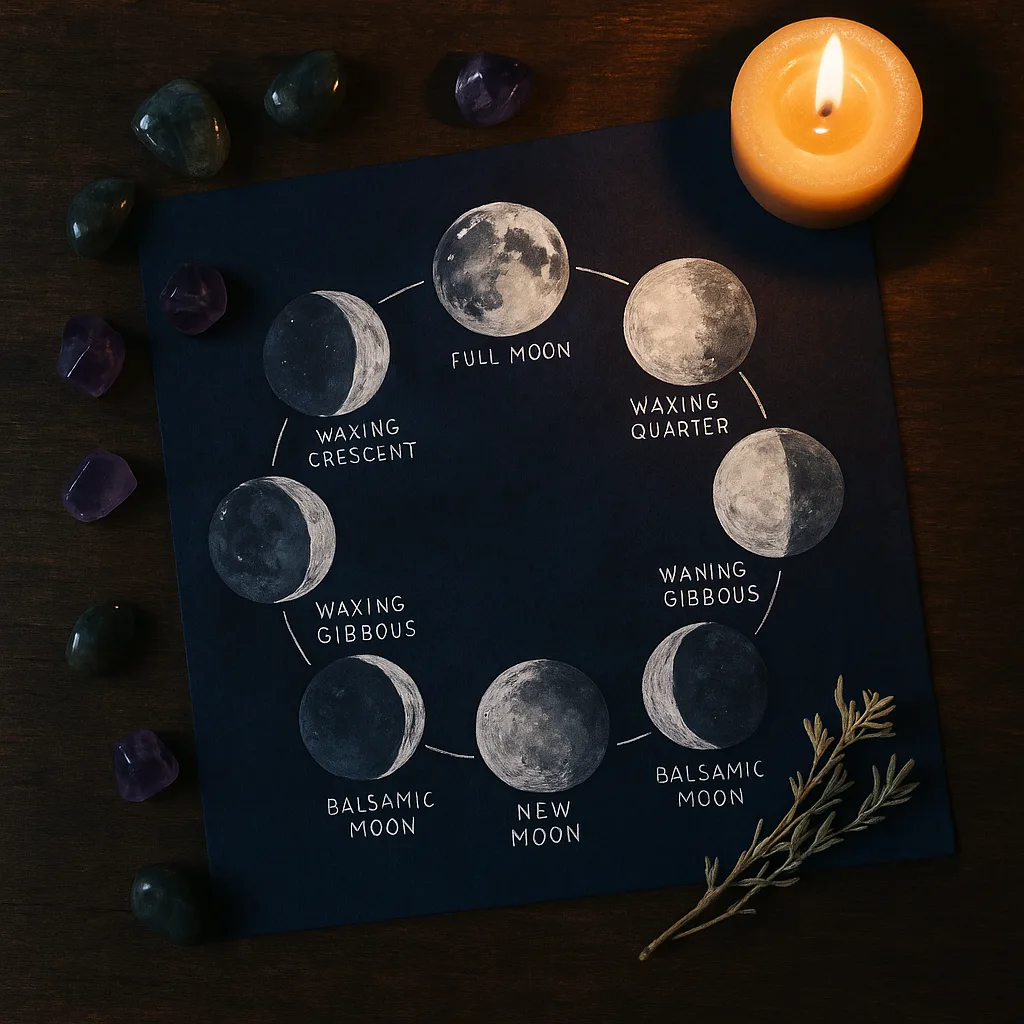
Fast vs. Slow Transits: Is the Sky Just Passing Through or Changing Your Life?
An Ordinary Day, a Sky in Motion
On August 11, 2026, Mars changed signs and moved into Cancer. On paper, it looks like a minor technical shift, but people who pay attention to their own patterns may have noticed something different: a stronger urge to protect the people they love, more emotional reactions than usual, some trouble saying directly what's bothering them. This is what a planetary transit does. It works quietly, in the background, and the mix of subtlety and real effect is why so many people ask the same question: why do some transits pass in a few days, while others seem to rearrange an entire life for months or years?
What a Transit Really Is
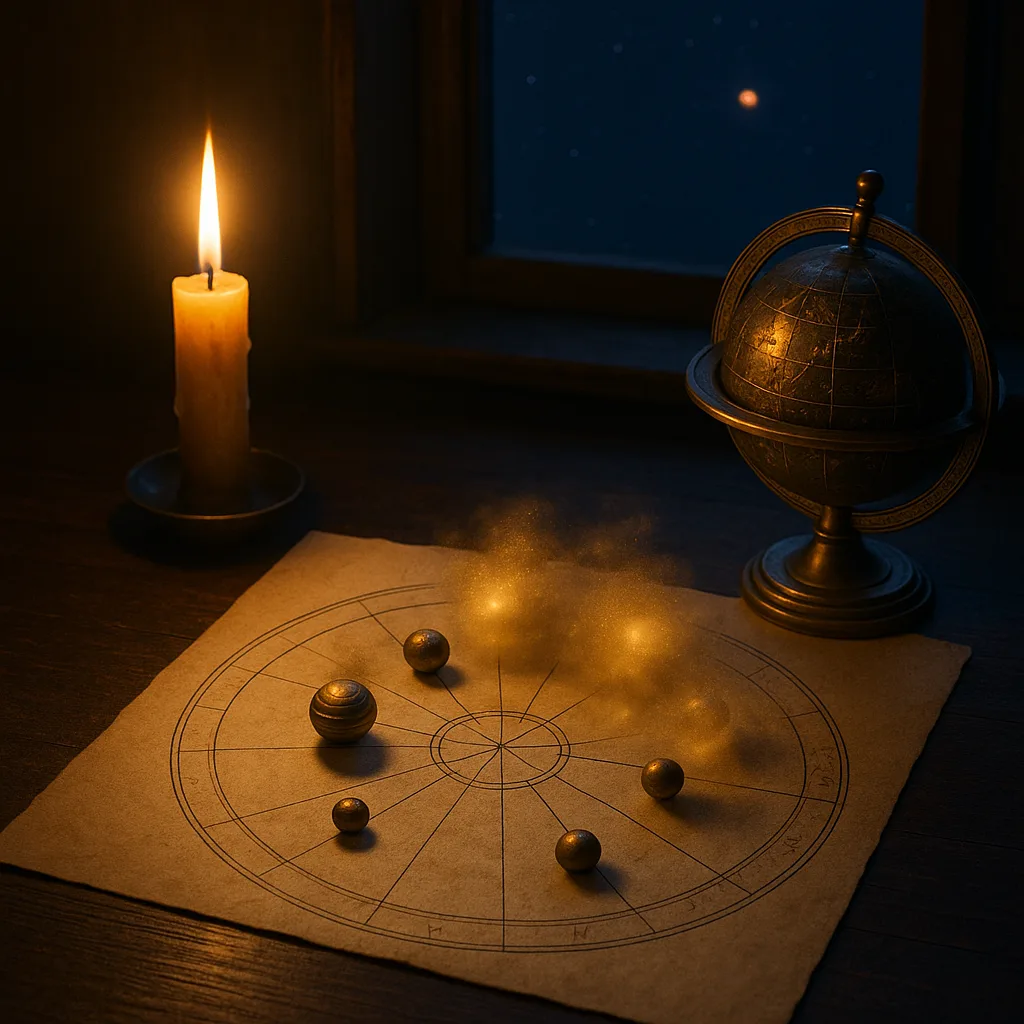
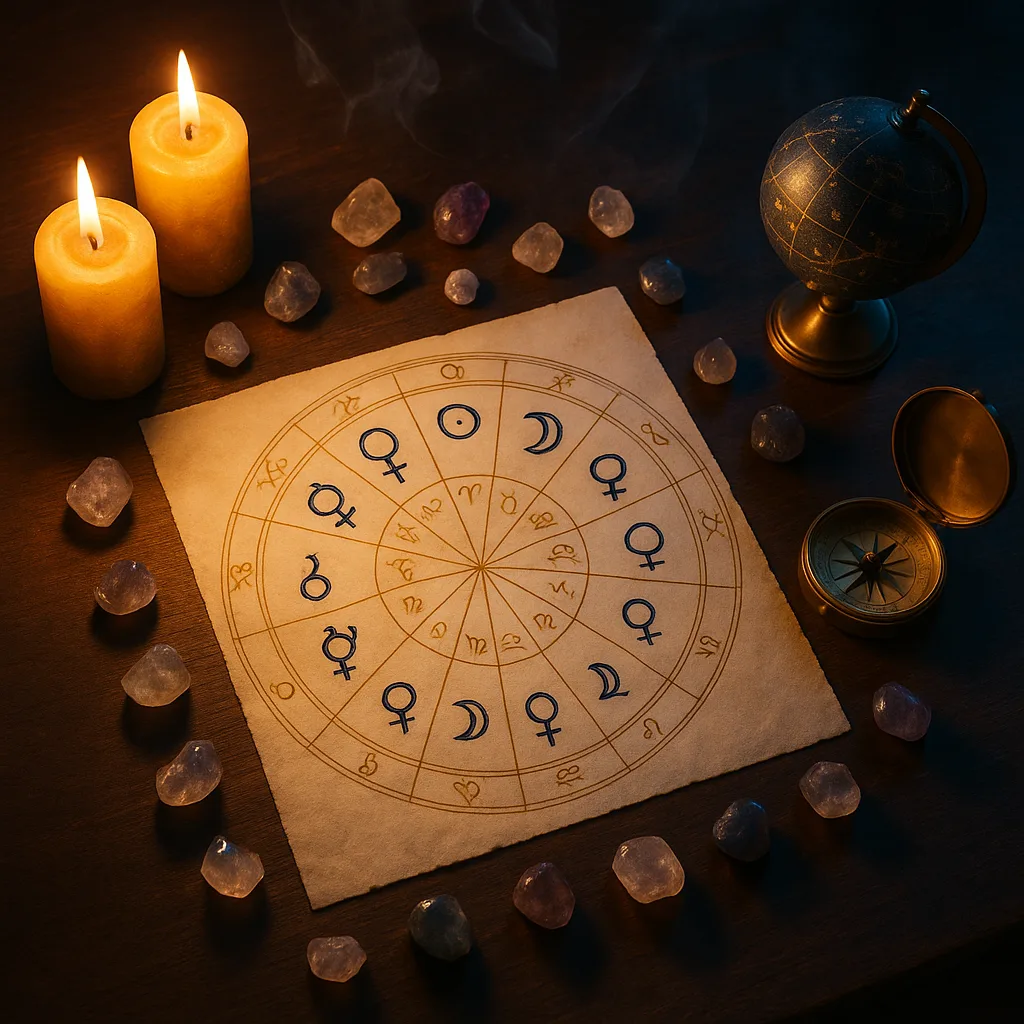
When someone is born, the sky at that exact moment gets recorded in their birth chart, a fixed snapshot that never changes. The planets keep moving, though. They continue orbiting the Sun, and over time they form different angles with the planets and points in that original chart. Each time this happens, it's called a transit: the energy of a moving planet interacts with a fixed point in the chart, activating something that may be starting, unfolding, peaking, or ending.
Astrologers such as Marcia Fervienza point out that a transit doesn't create good or bad events by itself. It signals the activation of an energy that coincides with situations the person would go through anyway. Knowing this in advance isn't about predicting the future like a verdict. It's closer to having a map of timing, a chance to prepare inwardly before circumstances arrive.
Transits are also cyclical. Chances are you've already lived through an earlier version of the transit you're facing now. That repetition isn't a burden. It's an advantage, since whatever you learned last time can help you move through the current phase with less friction.
The Difference Between What Passes Quickly and What Reshapes Structures
The key to understanding why some days feel heavy while others go by unnoticed is which planet is transiting. The personal planets (Moon, Sun, Mercury, Venus, and Mars) move quickly through the zodiac, so their transits typically last from a few hours to a few weeks. They work like daily weather: they influence mood, communication, desire, and initiative, but rarely reshape anything deep on their own.
The slow planets (Jupiter, Saturn, Uranus, Neptune, and Pluto) take months, years, or even decades to move through a single sign. Their transits aren't brief episodes, they're entire seasons of life. A Saturn transit, for instance, tends to sit over the same point in the chart for more than two years, bringing lessons in structure, maturity, and responsibility that don't resolve overnight. Jupiter, the planet of expansion, often coincides, as it moves through the signs and houses of the collective chart, with periods of cultural growth, advances in education and science, and social movements pushing for more justice and freedom. These are signals that go beyond individual life and touch entire groups, societies, and eras.
This difference in scope also means a difference in how much interpretation each type of transit calls for. A fast transit can be observed fairly easily in daily life. Slow transits usually call for more careful analysis, ideally with an astrologer's guidance, since they touch deeper layers of personality and entire life cycles.
Tension That Pushes, Ease That Settles
Another factor in how heavily a transit weighs is the type of aspect formed between the moving planet and the natal point it activates. Soft aspects, like the trine, tend to flow naturally, bringing opportunities that seem to arrive with little conscious effort. Tense aspects (the square, the opposition, and some conjunctions) cause more friction, which is exactly why they tend to spark more real growth. Tension forces a shift in posture. It pulls someone out of their comfort zone and demands an adjustment that might never happen without the discomfort.
A concrete example is unfolding now: around August 21, 2026, Venus forms an opposition to Saturn in Aries. This aspect tends to demand more realism and maturity in emotional bonds and self-love. It's not necessarily an easy stretch, but it's one of those moments when whatever emotional structure holds up ends up sturdier on the other side.
A Whole Month as a Case Study
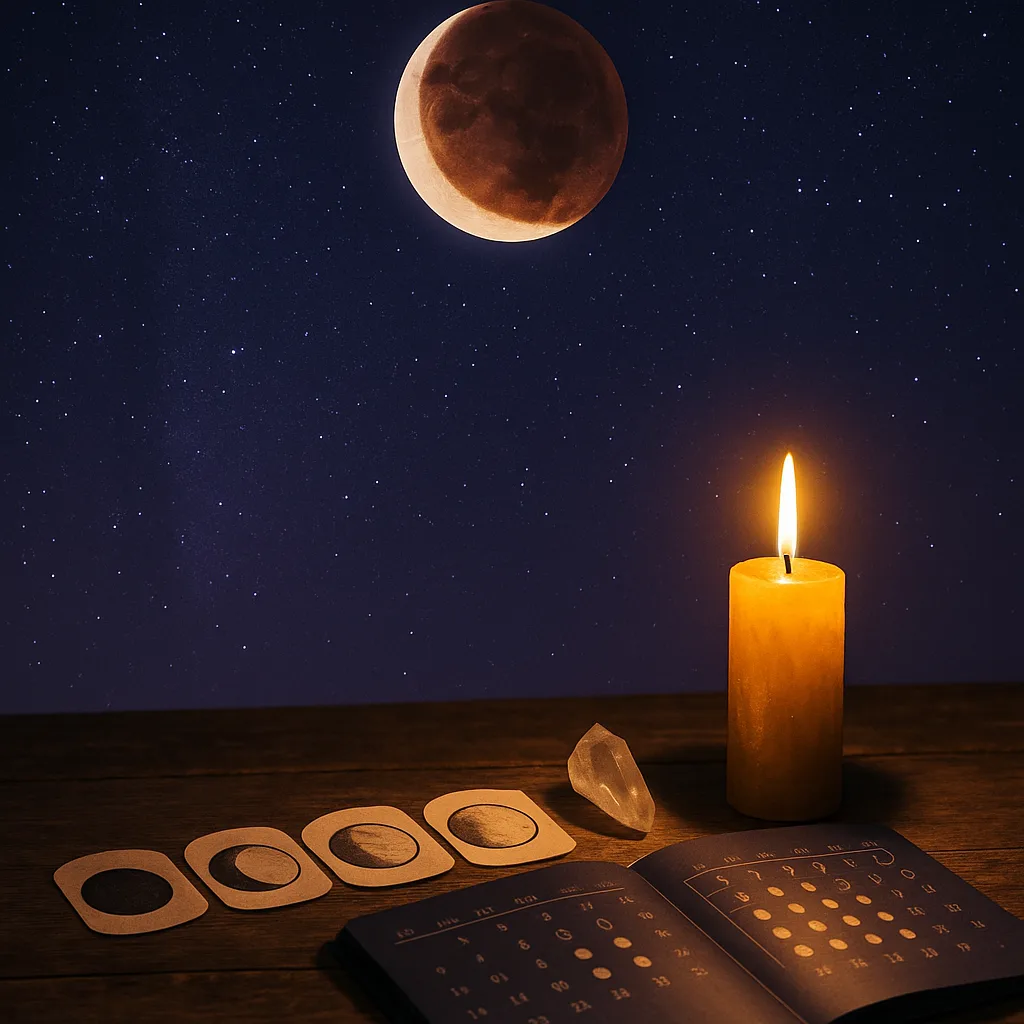
August 2026 is a good example of how fast and slow planets intertwine in everyday life. Besides Mars entering Cancer, the month brought Venus into Libra and Mercury through Leo, fast shifts that change the tone of relationships and communication for weeks, not years. At the same time, the sky held the year's final two eclipses of 2026: the Solar Eclipse in Leo on August 12, and a Lunar Eclipse in Pisces. Eclipses work as symbolic turning points, capable of speeding up storylines that had already been building for months.
The month closes with the Sun entering Virgo on August 22 and Mercury following on August 25, a pairing that tends to bring focus, organization, and the practical need to structure whatever the preceding eclipses stirred up. It's a good example of how a month is never just one energy. It's an overlap of layers, fast and slow, tense and soft, all interacting with your chart in a particular way.
How to Track This in Practice
You don't need to memorize ephemeris tables to notice transits, though anyone who wants to dig deeper can consult ephemeris charts, which list the planets' positions day by day and let you cross-reference them manually with your birth chart. For everyday use, sites like Astro.com, AstroSeek, and TimePassages already calculate current transits automatically and show how they touch specific points in your chart, which makes things easier for beginners.
This kind of skywatching isn't new. The Babylonians and Egyptians were already recording planetary movements and linking them to earthly events, an observation that the Greeks, and later Ptolemy, helped systematize over the centuries. The drive to watch the sky and recognize its rhythms spans millennia. Only the tools have changed.
What It All Comes Down To
Maybe the most useful question isn't whether a transit is good or bad, but whether it's fast or slow, tense or soft. A single day passes. A Saturn or Pluto cycle doesn't. Learning to tell these layers apart is what turns reading transits from a passing curiosity into a real tool for self-knowledge, the difference between reacting to the sky on autopilot and recognizing, with more clarity, exactly where you stand in your own story right now.

Recomendado
MAPA ASTRAL E NUMEROLÓGICO PERSONALIZADO
Mapa Astral + Numerologia Um mergulho profundo na sua essência. E se tudo o que você procura… já estivesse dentro de você - esperando para ser revelado?
Recomendado
Astro Reflexo
Descubra o que os astros revelam sobre quem você é. Em menos de um minuto, calculamos seu Sol, Lua e Ascendente com precisão astronômica e uma inteligência artificial escreve um resumo personalizado só para você.

Recomendado
Mapa Astral Kármico
Você já sentiu que certos padrões se repetem em sua vida? Relacionamentos que seguem o mesmo roteiro, desafios que parecem voltar ou talentos que surgem naturalmente? Nada disso é por acaso.
Universo Astral Editorial Team · Tarot and moon transits
This article was produced by the Universo Astral editorial team, with AI tools assisting research and drafting and human review before publication. If you spot anything inaccurate or outdated, let us know at our contact email.