Sign Compatibility: Why Matching Elements Don't Guarantee Success (and Opposites Can Surprise)
A question that seems simple, but isn't
Two people meet, discover each other's signs, and immediately start hunting for the answer: will this work out? The question seems to demand just one piece of data, the sun sign, but astrology offers something far more interesting. Compatibility isn't about fitting two identical pieces together; it's about understanding where two energies flow effortlessly and where they'll need to negotiate. That's precisely where many people go wrong: they assume two signs of the same element are automatically perfect partners, and that opposite signs in the zodiac are destined to clash. Reality is more nuanced.
Element is only the first layer of the conversation
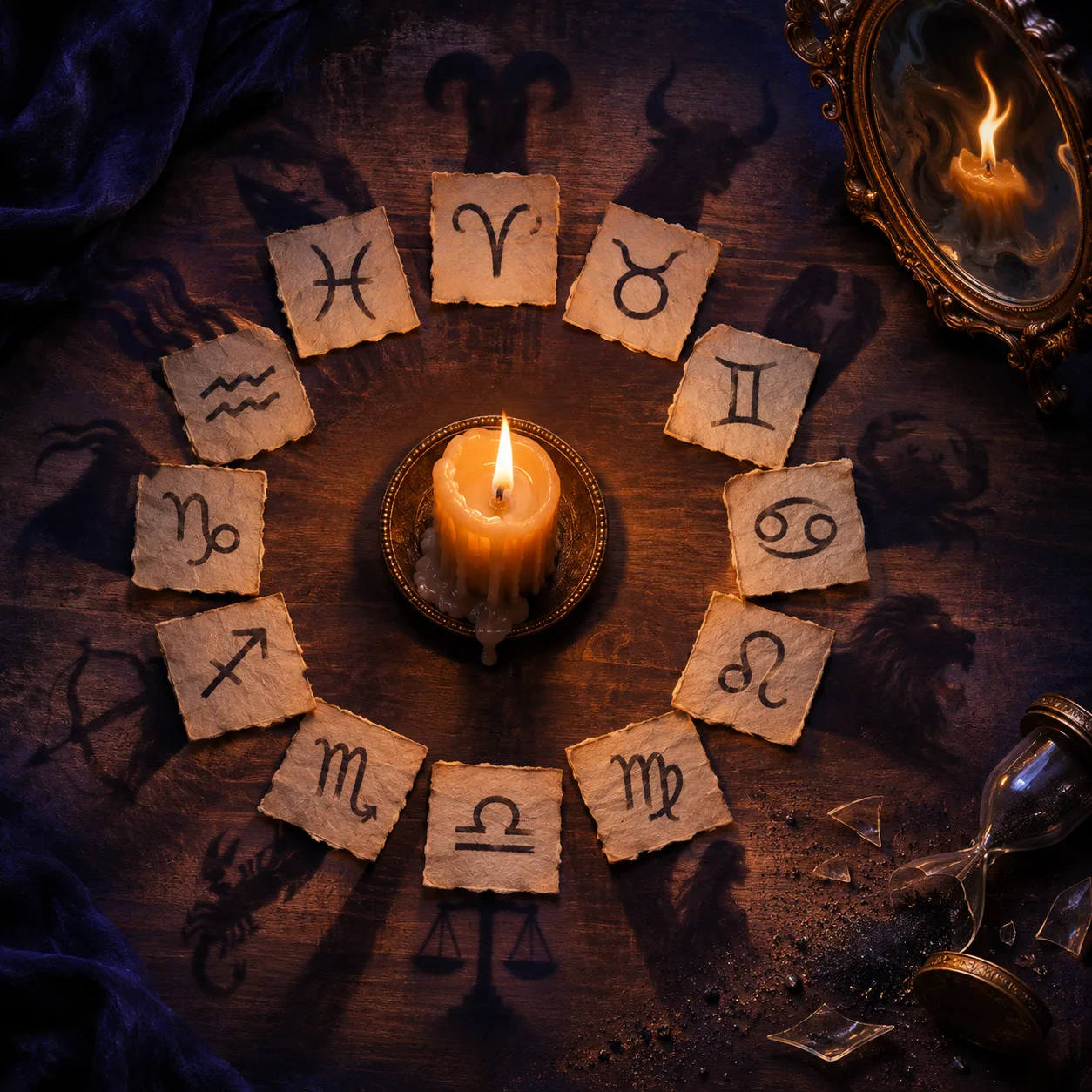
The zodiac divides into four elements: fire (Aries, Leo, and Sagittarius), earth (Taurus, Virgo, and Capricorn), air (Gemini, Libra, and Aquarius), and water (Cancer, Scorpio, and Pisces). The International Astronomical Union (iau.org) is the body responsible for officially defining the boundaries and names of the 88 recognized constellations, including those that name the zodiac signs, though the division into elements and modalities is a symbolic construction of astrology without formal astronomical correspondence. Signs of the same element tend to recognize each other quickly. Two earth signs value stability and routine in a similar way; two water signs pick up on each other's emotional shifts with barely a word; two air signs love stretching a conversation into the early hours trading ideas; and two fire signs create an intensity that feeds itself. Fire also tends to get along well with air, because one fuels the other's enthusiasm, while earth and water form a pair that sustains itself without too much drama. To understand why signs of the same element still have such different personalities from one another, there's an article on fire, earth, air, and water and the differences within the same element.
But sharing an element solves initial communication; it doesn't guarantee staying power. That's where the second layer comes in, almost always overlooked: modality. Each sign also belongs to one of three rhythms (cardinal, fixed, or mutable), and it's this combination with the element that reveals how someone actually handles decisions, change, and commitment.
The hidden role of modality
Think of two water signs: Scorpio and Pisces. Both feel deeply, both connect through emotion, but Scorpio is fixed water, loving with an intensity that doesn't easily back down, while Pisces is mutable water, loving in a more fluid and adaptable way that molds to the other person. The same logic applies to fire: Sagittarius, mutable fire, seeks adventure and freedom; Aries, cardinal fire, wants to initiate and conquer; Leo, fixed fire, wants to build something that lasts and gets recognized. Three fire signs, three entirely different ways of living that flame. The article on cardinal, fixed, or mutable and the overlooked layer of compatibility explores this logic in greater depth.
When two people are both cardinal, they tend to compete for who leads. When both are fixed, the bond can become so solid that neither wants to budge. When both are mutable, the relationship flows beautifully but risks never settling on anything concrete. A mix of different modalities usually creates an almost functional balance: one initiates, one sustains, one adapts the plan when life changes direction, though day-to-day this often creates friction before it becomes harmony.
The table below summarizes how element and modality cross, using the examples already mentioned:
| Sign | Element | Modality | Tendency in relationship |
|---|---|---|---|
| Aries | Fire | Cardinal | Initiates and seeks to conquer |
| Leo | Fire | Fixed | Builds something lasting and recognized |
| Sagittarius | Fire | Mutable | Seeks adventure and freedom |
| Scorpio | Water | Fixed | Loves with intensity that doesn't easily back down |
| Pisces | Water | Mutable | Loves in a fluid and adaptable way |
| Capricorn | Earth | Cardinal | Structures and builds with pragmatism |
Why opposites still have their charm
If compatibility were only about similarity, same-element pairs would always win. But the axis of opposite signs in the zodiac (Aries and Libra, Taurus and Scorpio, Gemini and Sagittarius, Cancer and Capricorn, Leo and Aquarius, Virgo and Pisces) carries a kind of attraction that comes precisely from difference. An instinctive water sign like Cancer might see itself reflected unexpectedly in Capricorn, a pragmatic earth sign: where one feels, the other structures; where one protects, the other builds. It's not an easy equation, but it's a living one, with plenty of mutual learning. These opposite pairs often work as mirrors: they show each other exactly what needs developing in themselves. Some earth and water combinations, like those discussed in Taurus and Cancer, Capricorn and Scorpio, Virgo and Pisces as the most lasting sign pairs, show that element closeness can also sustain long bonds, as long as modality doesn't create too much friction.
Compatibility isn't a verdict of 'made for each other' or 'doomed to fail.' It's a picture of where two people flow naturally and where they'll need to work a bit, and it's often in that effort that the most interesting growth happens.
The sun never tells the whole story
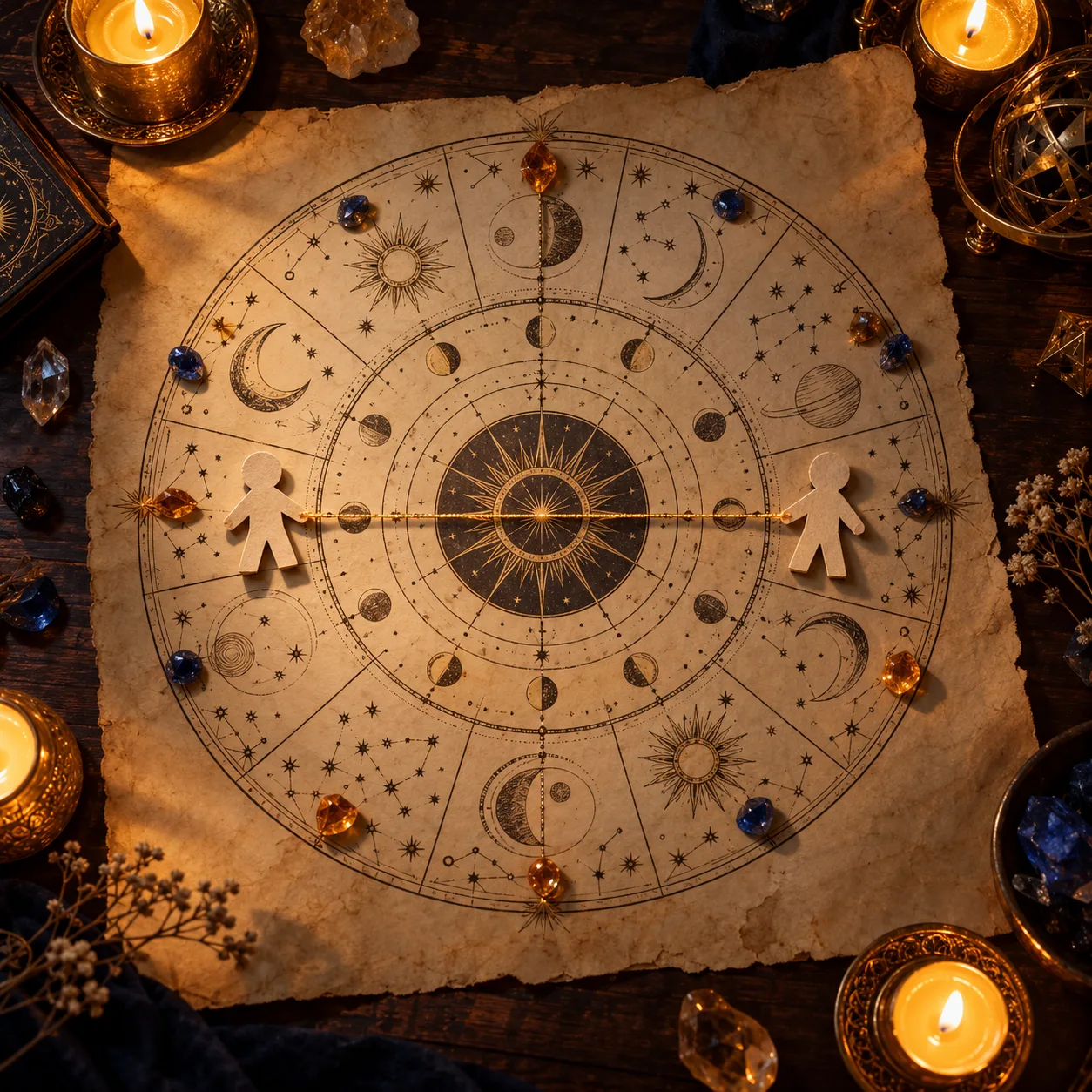
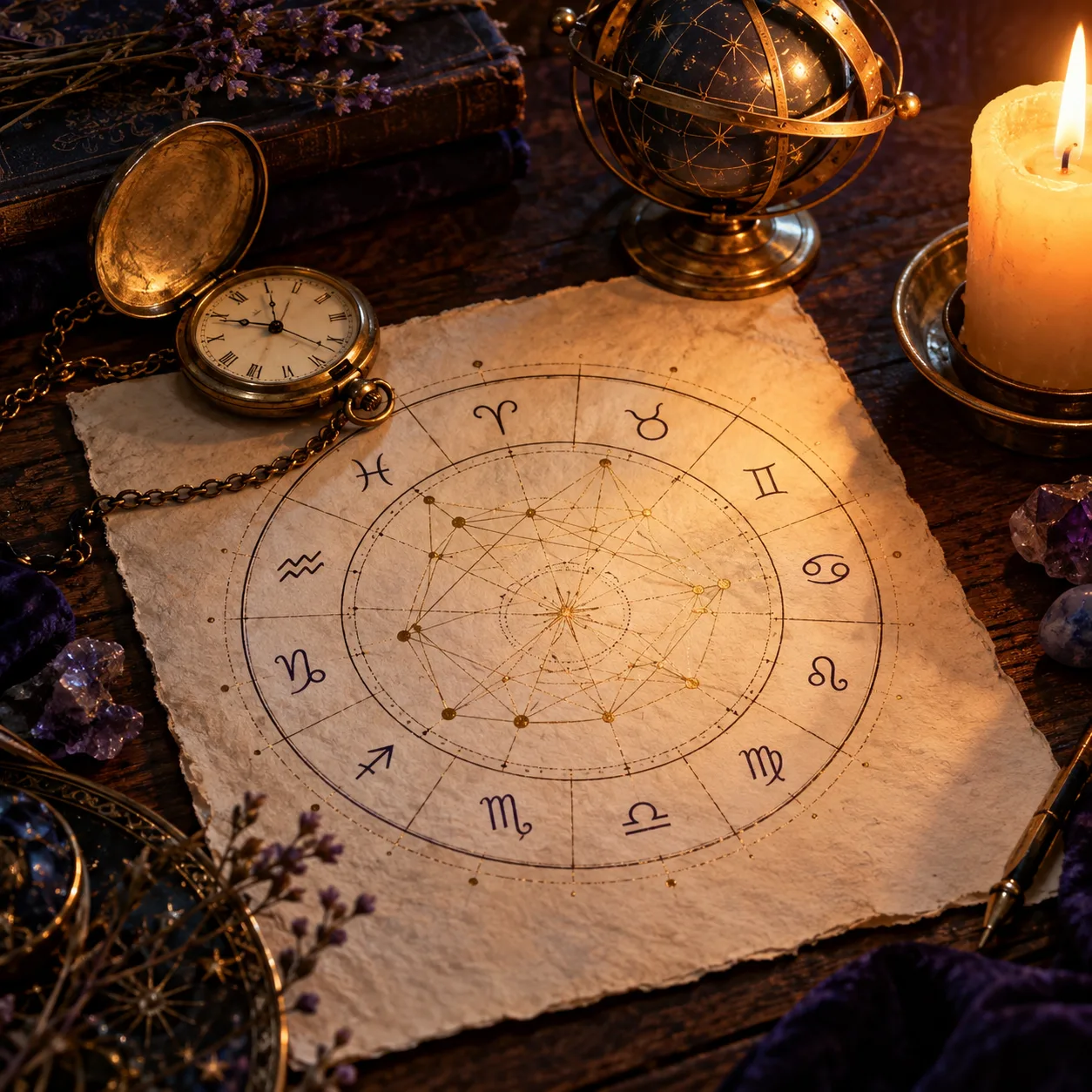
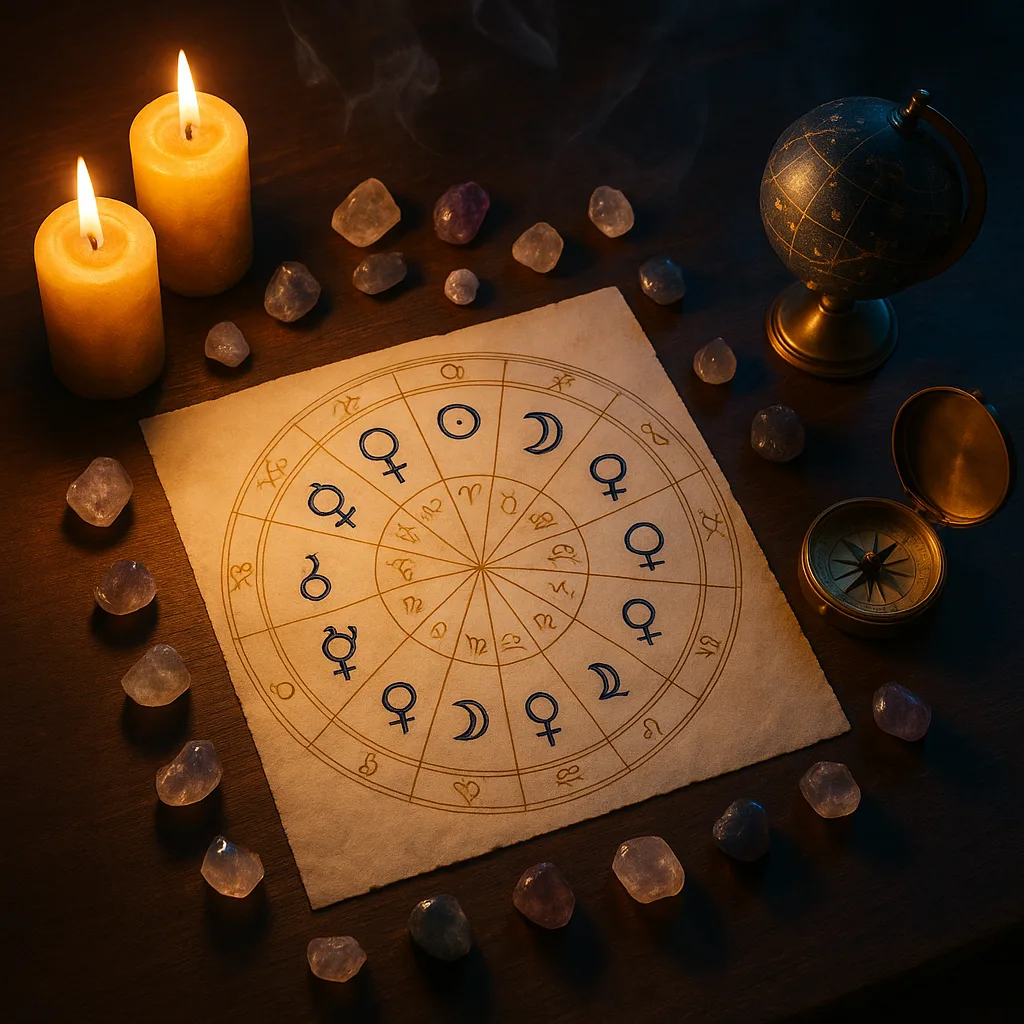
Here's the point any serious compatibility reading needs to account for: the sun sign is just the entry door. The technique astrology uses to truly investigate the energy between two people is called synastry, and it can be done two ways: the composite chart, which merges two individual charts into a third chart representing the relationship itself, and the synastry chart (or dual overlay), which overlays two natal charts and observes how each person's planets speak to the other's.
In this fuller analysis come Venus (how you love and feel valued), Moon (each person's emotional needs), Mars (desire, initiative, how you handle conflict), and the ascendant, which shapes first impression and automatic behavior in moments of tension. It's entirely possible for two people to have suns in opposite elements and still share a deep Moon and Venus connection, which explains why so many find strong connections with signs that, on paper, 'shouldn't' combine so well. Anyone wanting to apply this method in practice can follow the step-by-step described in astrological compatibility: how to compare your birth chart with the person you love.
To organize this reading, a few steps help structure a synastry analysis:
- Identify the element and modality of each person's sun sign, noting where there's natural harmony and where rhythm conflict might arise.
- Compare the Venus position in each chart, since this planet shows how each person expects to be loved and valued.
- Observe each person's Moon, responsible for emotional needs and how they seek comfort.
- Check Mars, which indicates how each person handles desire, initiative, and direct conflict.
- Look at both people's ascendants, since they shape first impression and automatic reaction in moments of tension.
- Create a composite chart or overlay the two natal charts (synastry overlay) to see how these points speak to each other.
Friendship and love don't ask the same thing of the sky
It's worth remembering that synastry wasn't created just for couples. It illuminates any kind of human bond: family ties, professional partnerships, and of course, friendships. The interesting thing here is that what sustains a long friendship isn't always what sustains romance. Two fixed signs, for example, might fight fiercely in a romantic relationship over mutual stubbornness, but form a decades-long friendship precisely because neither gives up on the other. Meanwhile, a combination of opposite elements, which can feel passionate in love, sometimes tires faster in friendship, which usually asks for less intensity and more lightness day to day. This contrast is explored in more detail in sign compatibility: why the same pair works in friendship but stalls in love and also in synastry without romance, what your birth chart reveals about friendships and partnerships.
No pair is destined to anything
There are pairs with extremely low theoretical affinity that build solid histories through effort, listening, and genuine desire to understand each other, and pairs with every element and modality in their favor that wear out from lack of care. Knowing someone's element, modality, and personal planets doesn't serve to predict a closed verdict; it serves to understand more clearly where conversation will flow on its own and where it will genuinely demand patience. It's this kind of reading, more generous and less binary, that transforms astrological compatibility into a tool for understanding, not approval or disapproval.
Frequently asked questions
Are signs of the same element always more compatible?
Not necessarily. Matching elements make initial communication easier because both people react similarly to stimuli, but the modality (cardinal, fixed, or mutable) of each sign can create competition or stagnation within that same element, as shown by the difference between Aries, Leo, and Sagittarius, all fire signs.
Do opposite signs in the zodiac match or clash?
Both can happen. Opposite pairs like Cancer and Capricorn or Taurus and Scorpio tend to work as mirrors, showing each other what needs developing in themselves. This difference requires more negotiation effort, but it doesn't prevent the bond from working well.
What is synastry and why does it go beyond the sun sign?
Synastry is the astrological technique that compares two complete natal charts, looking at each person's Venus, Moon, Mars, and ascendant alongside the sun. It can be done by composite chart or synastry overlay, and usually explains strong connections between signs that, by sun element alone, would seem barely compatible.
Does compatibility change between friendship and romantic relationships?
Yes. Two fixed signs can clash in a romantic relationship over mutual stubbornness but sustain a long-term friendship for the same reason: neither gives up on the other. The type of bond changes what counts as a strength or weakness in the combination.
Recomendado
Astro Reflexo
Descubra o que os astros revelam sobre quem você é. Em menos de um minuto, calculamos seu Sol, Lua e Ascendente com precisão astronômica e uma inteligência artificial escreve um resumo personalizado só para você.
Universo Astral Editorial Team · Zodiac signs and fun facts
This article was produced by the Universo Astral editorial team, with AI tools assisting research and drafting and human review before publication. If you spot anything inaccurate or outdated, let us know at our contact email.