Fire, Earth, Air, and Water: Why Same-Element Signs Have Such Different Personalities
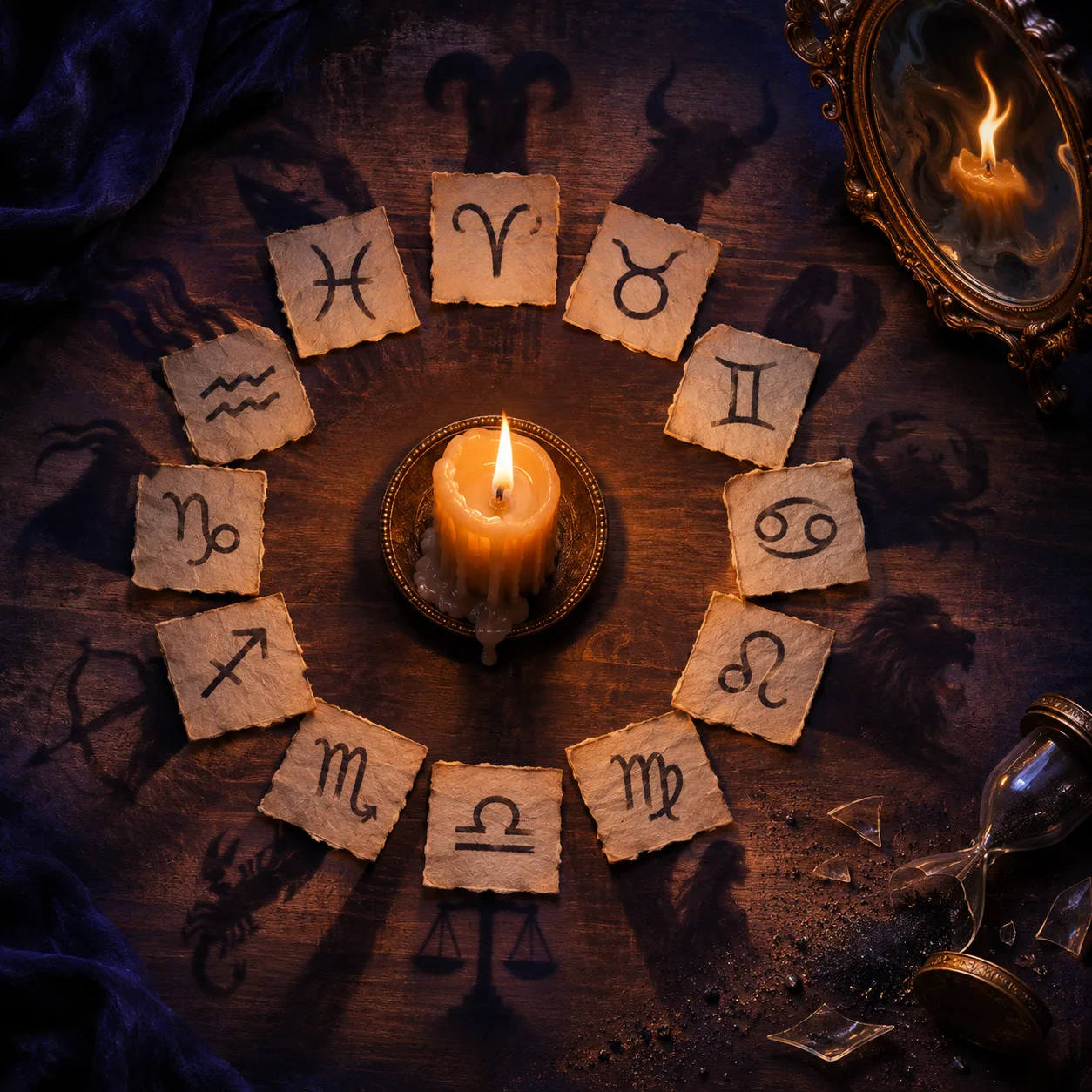
Aries, Leo, and Sagittarius belong to the same element. All three have fire running through the symbolic veins of their charts, the same drive, the same impulse to act before thinking twice. Yet no one who knows an Aries, Leo, and Sagittarius up close would mistake one for another. One charges straight ahead, another needs an audience, the third has already left before the conversation ends. This difference is no accident: it results from combining each sign's element with its modality, or quality, within the zodiac cycle.
The logic behind each sign's personality
Astrology organizes the 12 signs in a kind of double-entry table. On one side are the four elements: Fire, Earth, Air, and Water, which indicate the type of energy and how each sign reacts to the world. On the other side are the three modalities: Cardinal, Fixed, and Mutable, which indicate when in the seasonal cycle that sign is born and, by extension, how it handles beginnings, stability, and change. The article on the journey of the four elements through the zodiac details the origin of this division into four energies.
The cardinal signs (Aries, Cancer, Libra, and Capricorn) open the seasons. They carry the energy of initiating, of moving forward, of taking the first step even without knowing exactly where it leads. The fixed signs (Taurus, Leo, Scorpio, and Aquarius) occupy the heart of the season, when it's already established, and so they tend to sustain, deepen, and resist abrupt changes. The mutable signs (Gemini, Virgo, Sagittarius, and Pisces) close the cycle, at the transition to the next season, and carry the flexibility of those already standing with one foot elsewhere. This layer of modality is explained in greater depth in the article on cardinal, fixed, and mutable as a compatibility layer.
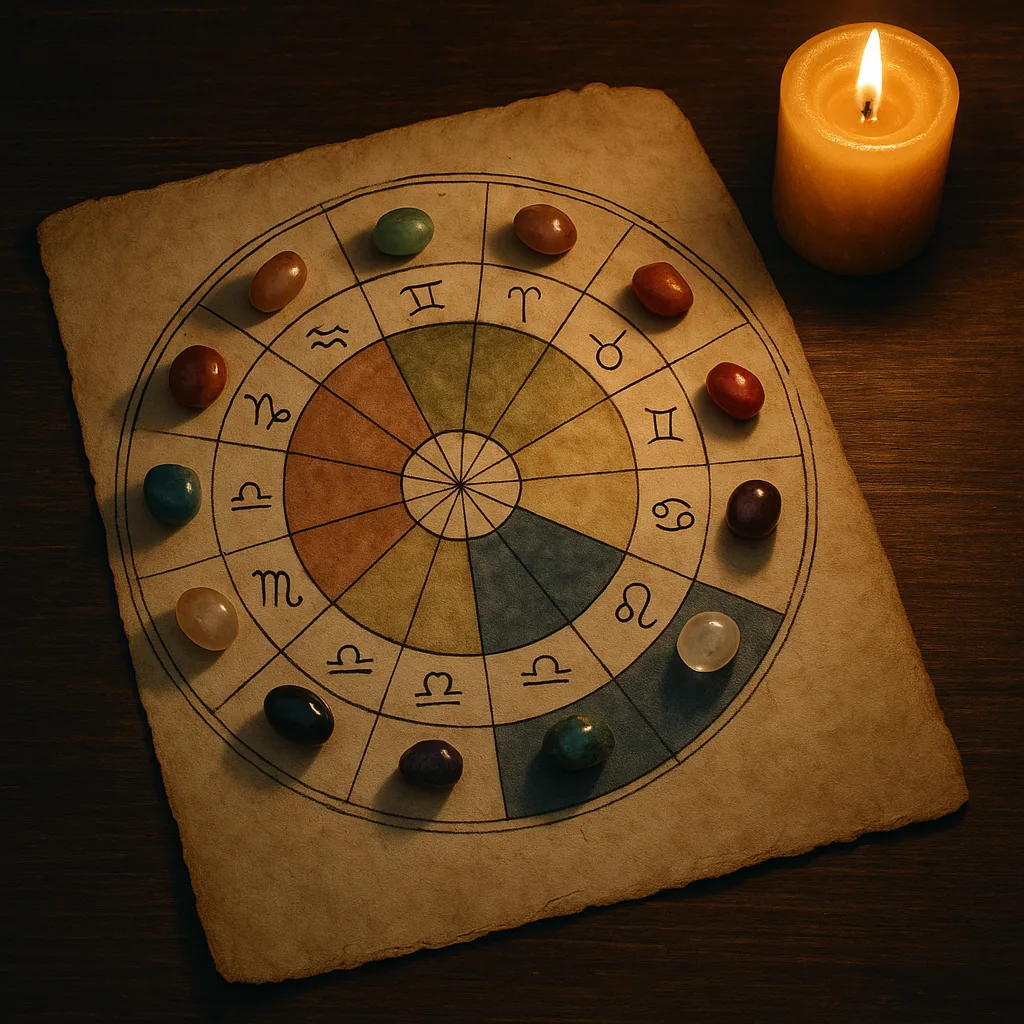
When you combine an element with a modality, a specific temperament emerges. It's this combination, more than the element alone, that explains why two fire, earth, air, or water signs can seem so different from each other. The table below summarizes the twelve combinations:
| Sign | Element | Modality | Ruler |
|---|---|---|---|
| Aries | Fire | Cardinal | Mars |
| Leo | Fire | Fixed | Sun |
| Sagittarius | Fire | Mutable | Jupiter |
| Taurus | Earth | Fixed | Venus |
| Virgo | Earth | Mutable | Mercury |
| Capricorn | Earth | Cardinal | Saturn |
| Gemini | Air | Mutable | Mercury |
| Libra | Air | Cardinal | Venus |
| Aquarius | Air | Fixed | Saturn/Uranus |
| Cancer | Water | Cardinal | Moon |
| Scorpio | Water | Fixed | Mars/Pluto |
| Pisces | Water | Mutable | Jupiter/Neptune |
Fire: Aries, Leo, and Sagittarius
The fire element brings impulse, enthusiasm, and the drive to act. But how that energy gets used changes completely depending on the modality.
Aries is cardinal fire: the first sign of the zodiac, ruled by Mars, the planet of impulse and direct action. This is the type that jumps in first, decides quickly, and has no patience for roundabout ways. Astrological tradition links Mars to competitive drives, and for good reason Aries often appears connected to sports, contests, and any situation requiring immediate courage. The shadow side is impatience: the same urgency that motivates those around them can become reckless when things don't move at the expected pace.
Leo is fixed fire, ruled by the Sun. While Aries starts and runs, the Leo establishes and sustains the shine. It's a sign of striking personality, generosity, and creativity, but one that needs recognition to feel whole. The fixed quality shows up as constancy: once a Leo takes on a cause, project, or person, they tend to remain loyal and present, though sharing the spotlight is difficult.
Sagittarius is mutable fire, ruled by Jupiter, the planet of expansion. It's the sign of wide horizons, the desire to explore, travel, study, and discuss big ideas. The mutable quality strips away Leo's need to hold on and Aries' sense of urgency: a Sagittarius prefers to move forward rather than cling to one place, belief, or chapter of life.
Earth: Taurus, Virgo, and Capricorn
The earth element brings feet to the ground, attachment to what is concrete, and the search for material or practical security.
Taurus is fixed earth, ruled by Venus in its most sensory register: pleasure in what is tangible, good food, physical comfort, beauty felt through touch and time. It's the sign most linked to stability, patience, and also resistance to change: once a Taurus settles into a routine, it takes effort to dislodge them.
Virgo is mutable earth, ruled by Mercury, but in a very different register from Gemini: here the analytical mind turns toward organization, detail, and correction of errors. Virgos tend to be meticulous, practical, and focused on the constant improvement of things around them, even if that comes with self-criticism that's hard to switch off.
Capricorn is cardinal earth, ruled by Saturn, the planet of discipline and limits. It's the sign that opens winter with long-term ambition: clear goals, steady work, and a natural resistance to shortcuts. The workaholic reputation isn't symbolic exaggeration. The typical Capricorn struggle is precisely knowing how to stop, rest, and admit that not everything needs to be conquered through effort. The pair of Taurus and Capricorn, by the way, appears among the most stable earth combinations described in the article on the most enduring sign pairs in astrology.
Air: Gemini, Libra, and Aquarius
The air element governs mind, communication, and social life. It's the element of ideas in circulation and connections being formed.
Gemini is mutable air, ruled by Mercury in its youngest, most curious register. It's the sign of the restless mind that jumps from topic to topic, loves conversation, and bores easily with repetition. Gemini lightness is real, but it coexists with difficulty maintaining focus once the new stimulus appears elsewhere.
Libra is cardinal air, ruled by Venus, here oriented toward harmony and relationships. Libras initiate connections with natural charm and diplomacy, seeking balance in almost everything they do. The cardinal quality appears in the willingness to take the lead in resolving a conflict or bringing people together, even if that means delaying a decision just to keep everyone content.
Aquarius is fixed air, traditionally ruled by Saturn and in modern readings by Uranus. This dual rulership explains the blend of discipline and rebellion that marks the sign: on one hand, persistence in pursuing a goal with nearly obsessive focus; on the other, refusal to accept rules that don't make sense to them. It's fixed air because, despite the reputation for unpredictability, Aquarius tends to be quite firm in their own principles, even when society disagrees. The International Astronomical Union is the entity responsible for the official naming of the 88 recognized constellations, including those that name the zodiacal constellations used as symbolic reference by astrology, though the astrological zodiac itself is a division of 12 equal parts of the sky, distinct from the astronomical constellations.
Water: Cancer, Scorpio, and Pisces
The water element holds emotion, intuition, and sensitivity. These are signs that feel before they rationalize, and that tend to pick up the emotional climate of a room before any word is spoken.
Cancer is cardinal water, ruled by the Moon, linked to intuition, the instinct to care, and family bonds. It's the sign that opens summer by pulling inward, creating emotional roots and positioning itself as a point of support for those nearby, even if that costs dearly in mood swings.
Scorpio is fixed water, associated with both Mars in tradition and Pluto in modern readings. This combination explains the intensity that characterizes it: nothing in Scorpio is lukewarm. It involves itself deeply, keeps secrets well, and has an ease moving through transformative processes that other signs would avoid. The fixed quality shows up as emotional depth, not resistance to change itself, but resistance to letting go of something before extracting everything from it.
Pisces is mutable water, linked to Neptune in modern astrology and Jupiter in traditional astrology. It's the sign that closes the zodiac cycle, dissolving boundaries between the real and the imaginary. Pisces tends to be sensitive, creative, and empathetic to the point of absorbing others' emotions as if they were their own, which requires learning to distinguish their own feelings from those of people around them.
How to identify the element and modality blend in your own sign
To locate any sign within this double matrix, the path is always the same:
- Identify the sign's element: fire, earth, air, or water. This already shows the general type of energy, whether more impulsive, practical, mental, or emotional.
- Identify the modality: cardinal, fixed, or mutable. This shows the moment in the cycle when the sign is born and how it handles beginning, stability, or transition.
- Cross the two pieces of information. For example: Capricorn is cardinal earth, meaning it initiates something (cardinal) in a practical and disciplined way (earth), resulting in long-term ambition.
- Compare with the sign's ruling planet, which adds the final layer of temperament. Saturn in Capricorn reinforces discipline; Venus in Taurus reinforces attachment to sensory comfort.
This same reasoning about rulership is detailed in the article on the ruling planet of each sign, which shows how the associated planet shapes temperament beyond what element and modality alone explain.
One piece of the puzzle, not the whole picture
It's worth emphasizing something this matrix itself suggests: the sun sign is just one layer within a much larger system. No one is made of only fire, earth, air, or water, and no one carries just one modality. The complete natal chart crosses element and modality in every planet, house, and aspect, forming a unique combination for each person. Thinking about each sign's personality through this blend of element and modality helps explain why astrology never treats the 12 signs as 12 isolated boxes, but as 12 different ways of combining the same four energies with the same three rhythms.
Frequently asked questions
Why are signs of the same element so different from each other?
Because the element is only half the formula. The other half is the modality (cardinal, fixed, or mutable), which defines how that sign handles beginning, stability, and change. Aries, Leo, and Sagittarius are all fire, but one is cardinal, one is fixed, and one is mutable, which completely changes the temperament.
What does it mean for a sign to be cardinal, fixed, or mutable?
Cardinal is the quality of one who opens a season and, by extension, opens projects and situations. Fixed is the quality of one who sustains and deepens what has already been established. Mutable is the quality of one who closes a cycle and adapts to the transition to the next.
What's the difference between element and modality in astrology?
The element (fire, earth, air, or water) indicates the type of energy and how the sign reacts to the world, whether through impulse, practicality, mind, or emotion. The modality indicates the moment in the seasonal cycle when the sign is born, shaping how it handles beginnings, routine, and changes.
Does the sun sign alone define your whole personality?
No. The sun sign is just one layer of the natal chart. Element and modality repeat in other planets, houses, and aspects of the complete chart, forming a unique combination for each person, beyond what the Sun alone indicates.
Recomendado
Astro Reflexo
Descubra o que os astros revelam sobre quem você é. Em menos de um minuto, calculamos seu Sol, Lua e Ascendente com precisão astronômica e uma inteligência artificial escreve um resumo personalizado só para você.
Universo Astral Editorial Team · Zodiac signs and fun facts
This article was produced by the Universo Astral editorial team, with AI tools assisting research and drafting and human review before publication. If you spot anything inaccurate or outdated, let us know at our contact email.