Why the Same Sign Pairing Works as Friends but Fails as Lovers
Two people, two roles, two different outcomes
It's common to have a years-long friendship with someone of a sign that would have failed as a romantic partner. This is not chance or an exception to the rule: it's astrology working exactly as it should. Sign compatibility is never a fixed value, like a test score. It shifts based on the type of bond at play, because friendship and romance activate different areas of the chart and thus expect different things from each other.
Before reducing everything to lists of good pairs and bad pairs, it helps to understand the layers beneath this kind of reading: element, modality, and most importantly, the full synastry, which goes far beyond each person's sun sign. The article on the three layers that decide whether chemistry is real explores this framework in detail.
Element: the emotional language each sign speaks
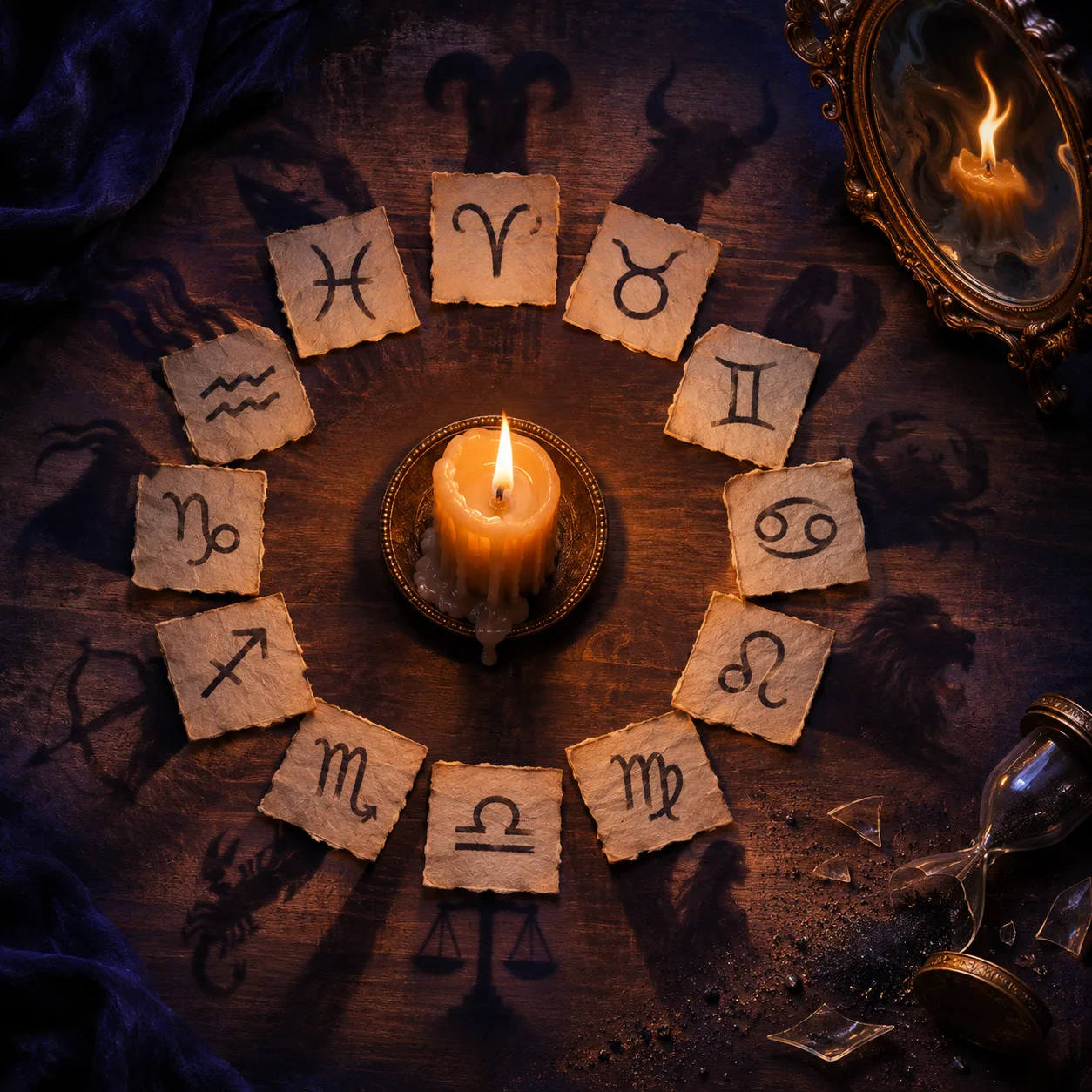
The four elements (fire, earth, air, and water) function as different languages for expressing affection and energy. Aries, Leo, and Sagittarius, fire signs, communicate through action and intensity. Taurus, Virgo, and Capricorn, earth signs, show care through concrete gestures and consistency. Gemini, Libra, and Aquarius, air signs, process everything through words, idea exchange, and need for space. Cancer, Scorpio, and Pisces, water signs, feel before they understand and connect through intuition and emotional closeness. These temperamental differences between elements are discussed in depth in the article about why signs of the same element have such different personalities.
Traditional astrology says fire and air feed each other well (air fuels fire), as do earth and water (water nourishes earth), pairings described as more fluid. Fire with water, or earth with air, require more adjustment: fire can evaporate water, or water can extinguish fire; earth can suffocate air, and air can dry out earth. This doesn't mean automatic incompatibility, only that the two people will need to translate feelings in different ways, which is entirely possible when there's awareness and good faith.
When two signs of the same element meet, immediate recognition usually follows: two water signs understand each other's silence effortlessly, two fire signs share the same fast-paced rhythm. But having too much of the same ingredient also brings risks. Two fire people may compete for the spotlight, and two water people can drown together in emotion with no practical anchor nearby.
Modality: who leads, who sustains, who adapts
Beyond element lies a second, less discussed but equally decisive layer: modality. Cardinal signs (Aries, Cancer, Libra, and Capricorn) are natural initiators, always cooking up a new project, which can generate great synergy or a quiet struggle over who runs the relationship. Fixed signs (Taurus, Leo, Scorpio, and Aquarius) bring loyalty and permanence, but also genuine resistance to any suggestion of change, demanding mutual patience. Mutable signs (Gemini, Virgo, Sagittarius, and Pisces) are flexible and adaptable, excellent at flowing with life, but sometimes struggle to maintain focus and commitment over the long term. This theme is deepened in the article on the layer of compatibility few look at between two signs.
A friendship between two fixed signs, for example, tends to be one that spans decades unshaken, but can also get stuck when one person needs to move, change routine, or shift how they relate. Two cardinal signs in friendship might spend their time competing over who plans the next hangout, the next scheme, the next important conversation.
The table below sums up how element and modality combine to form each sign's temperament, revisiting what has already been described above:
| Element | Signs | Predominant modality | How they express affection |
|---|---|---|---|
| Fire | Aries, Leo, Sagittarius | Cardinal, Fixed, Mutable | Action and intensity |
| Earth | Taurus, Virgo, Capricorn | Fixed, Mutable, Cardinal | Concrete gestures and consistency |
| Air | Gemini, Libra, Aquarius | Mutable, Cardinal, Fixed | Words and idea exchange |
| Water | Cancer, Scorpio, Pisces | Cardinal, Fixed, Mutable | Intuition and emotional closeness |
Why love and friendship require different readings
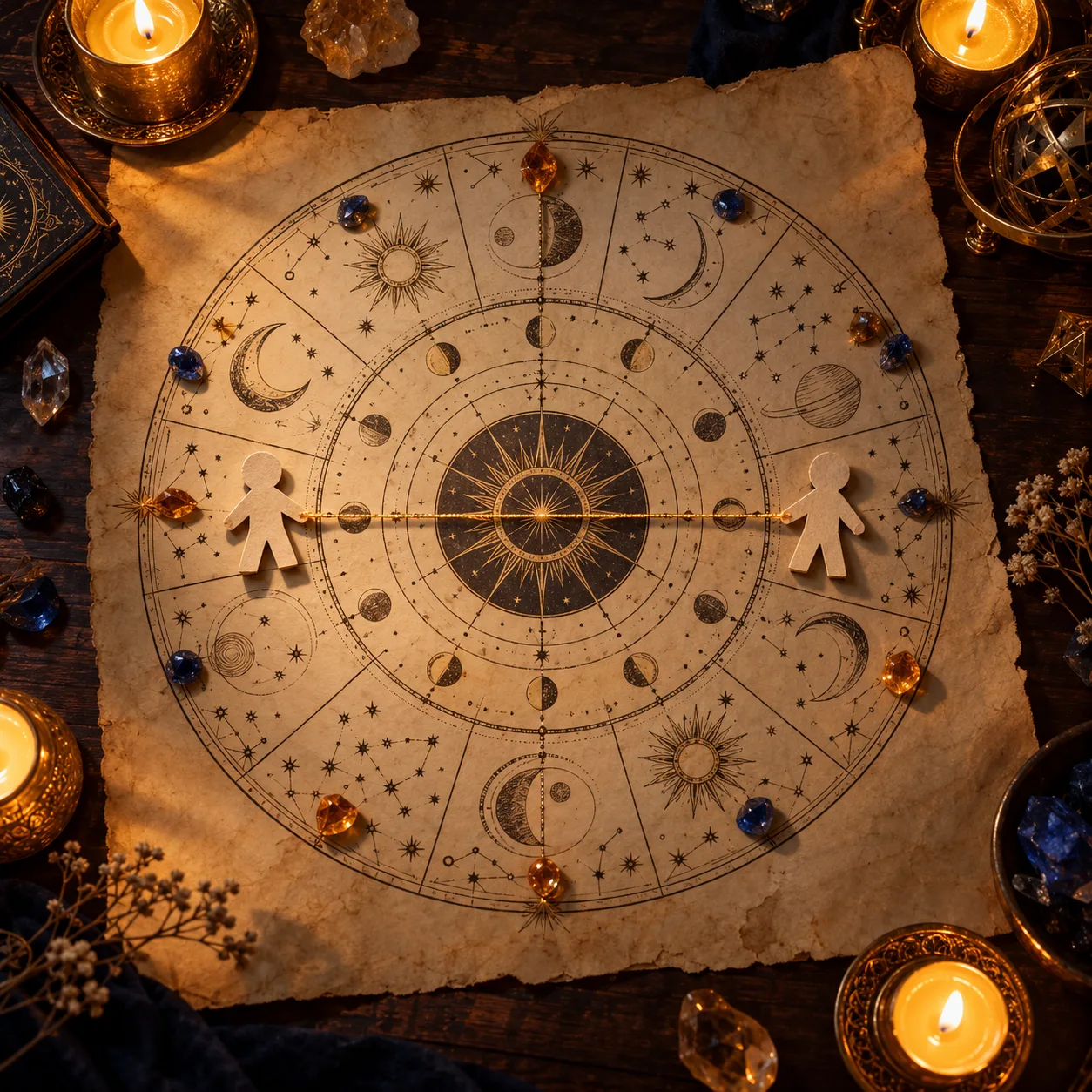
This is the point that often gets overlooked in simplified compatibility lists: the same pair of signs can be read in completely different ways depending on the type of bond, because astrology associates different areas of the chart with each type of relationship. House 5 speaks to romance, passion, and pleasure; House 7 handles formal partnerships, commitments, and marriage; House 11 governs friendships, groups, and communities. A pair of signs can trigger strong creative tension in House 5 energy (good for desire and attraction) and simultaneously function smoothly and without friction in House 11 energy. That's why two people who dated and fought constantly sometimes get along wonderfully as friends. This specific angle, on bonds that aren't romantic, is the focus of the article synastry without romance: what your birth chart reveals about friendships and partnerships.
This also explains why Taurus and Aquarius, a pairing classically described as challenging in romance (earth and air, cardinal versus fixed in another logic), can be extremely productive work partners or friends. Friendship doesn't require the same emotional fusion that romance demands, and the difference in temperament becomes complementary rather than friction. Pairings like Taurus and Cancer, or Virgo and Pisces, tend to maintain the same stability in almost any type of bond, as shown in the article on the most lasting sign pairings in astrology.
The sun sign is just the doorway
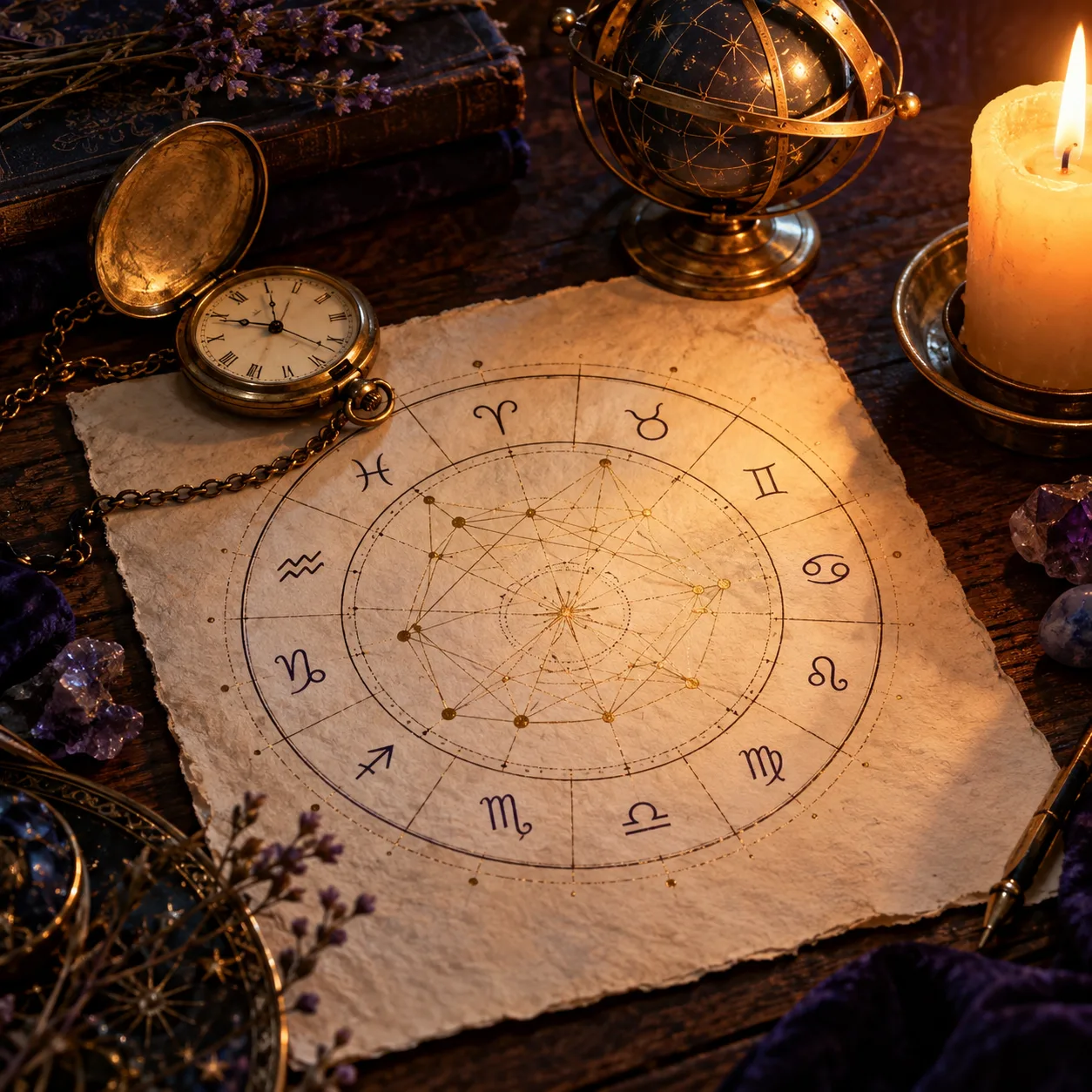
Reducing compatibility to Sun with Sun is like evaluating a song by listening to only the chorus. Real synastry, the technique of comparing two birth charts side by side, also observes each person's Moon (how each processes emotion), Venus (what each values and how they show affection), Mars (desire and action), and Ascendant (the first impression each person makes). More experienced astrologers also turn to the composite chart, a technique that creates a third symbolic map representing the relationship as its own entity, with needs and challenges that belong to neither person alone but to the bond itself. The step-by-step process is described in the article on how to compare your birth chart with the chart of someone you love.
In practice, this means two people with supposedly incompatible sun signs can have Moons in perfect sync, sustaining the relationship through moments of tension. The opposite is also true: two compatible Suns can hide Venus in tension, creating misalignments about what each person expects in terms of affection, time, and attention.
It's worth noting that the twelve signs used in this reading correspond to constellations treated by astrology in a symbolic way, not an astronomical one. The International Astronomical Union is the body responsible for the official nomenclature of constellations recognized by astronomy, and their boundaries and definitions don't align with the 12 signs of 30 degrees each used in Western astrology, which follows its own symbolic system independent of the astronomical mapping of the sky.
2026: a year that tests bonds through communication, not chemistry
The 2026 sky offers an interesting context for thinking about compatibility beyond theory. Mercury turns retrograde three times in the year, and all three occur in water signs (Pisces, Cancer, and Scorpio), a pattern that pushes the entire year toward emotional review rather than simple technical surprises. In practice, this means old discussions tend to resurface, unspoken expectations gain weight, and active listening becomes more necessary than ever between partners and friends, regardless of how well the signs involved look on paper.
The most sensitive period might come late in the year, when Venus (the planet governing love, values, and pleasure) also enters retrograde, crossing the third Mercury retrograde of the year in Scorpio in late October. This crossing tends to rekindle past relationships, prompt reassessment of what one truly values in a bond, and question what seemed attractive before. It's a time when even the most harmonious pairings on paper need to reaffirm in practice why they stay together. People born with Venus retrograde in their natal chart tend to feel this period with even more intensity, as explained in the article on why you repeat patterns in love and how to break the cycle.
August 2026 also brings two eclipses (solar in Leo on the 12th, and lunar in Pisces on the 28th), reinforcing this invitation to reassess identity and purpose within relationships as well. Cardinal signs tend to feel this movement more intensely, since the conjunction between Saturn and Neptune in Aries, another highlight of the period, calls for more realism and less romantic idealization from them.
How to read a pair's compatibility, step by step
To move past ready-made lists of good and bad pairs and make an honest reading, the path follows a logical sequence:
- Identify the element of each sign (fire, earth, air, or water) and observe whether they feed each other, clash, or repeat the same ingredient.
- Check the modality of each one (cardinal, fixed, or mutable) to understand who tends to lead, who resists change, and who adapts more easily.
- Define the type of bond being analyzed (romance, friendship, work partnership), since the same sign combination activates different astrological houses depending on context.
- Move from the sun sign to full synastry, comparing the Moon, Venus, Mars, and Ascendant of both charts, not just each person's Sun.
- Consider the current transit, like Mercury and Venus retrograde in 2026, which can test even theoretically well-matched pairs.
What comes of all this
Compatibility was never about finding the perfect pair on paper, but about understanding what kind of work each combination will ask for, and whether there's willingness to do that work, whether in an old friendship or a new relationship. The same pair of signs can shine in one context and get stuck in another, because the bond itself (House 5, House 7, House 11) weighs as much as the elements and modalities involved. In a year like 2026, marked by retrograde activity in water and a rare crossing of retrograde Mercury and Venus, this is a more useful reading than any ready-made list of ideal pairs.
Frequently asked questions
Why can two signs be great friends but terrible partners?
Because friendship and romance activate different areas of the birth chart: House 11 governs friendships and groups, while House 5 covers romance and passion, and House 7 handles formal commitments. A pair can have strong creative tension in romantic energy and flow without friction in friendship energy at the same time.
Is the sun sign enough to know if two people are compatible?
No. The sun sign is just the starting point. Full synastry also compares the Moon, Venus, Mars, and Ascendant of both charts, and these other points can completely change a reading made by the Sun alone.
Do signs of the same element always match better?
Not always. Two signs of the same element usually experience instant recognition, but having too much of the same ingredient also carries risks, like two fire people competing for the spotlight or two water people drowning together in emotion with no practical anchor.
Why is 2026 mentioned as a testing year for relationships?
Because Mercury goes retrograde three times that year, all in water signs (Pisces, Cancer, and Scorpio), which favors emotional review. In late October, Venus also retrograde and crosses the third Mercury retrograde in Scorpio, a period that tends to rekindle past relationship issues.
What's the difference between element and modality in compatibility?
Element (fire, earth, air, water) describes the emotional language of each sign, how it expresses affection. Modality (cardinal, fixed, mutable) describes the role each tends to assume in a bond, like who starts things, who sustains them, or who adapts.
Recomendado
Astro Reflexo
Descubra o que os astros revelam sobre quem você é. Em menos de um minuto, calculamos seu Sol, Lua e Ascendente com precisão astronômica e uma inteligência artificial escreve um resumo personalizado só para você.
Universo Astral Editorial Team · Zodiac signs and fun facts
This article was produced by the Universo Astral editorial team, with AI tools assisting research and drafting and human review before publication. If you spot anything inaccurate or outdated, let us know at our contact email.