Planetary Transits in 2026: How the Stars Influence Your Daily Life
The moving sky: what is a transit, really
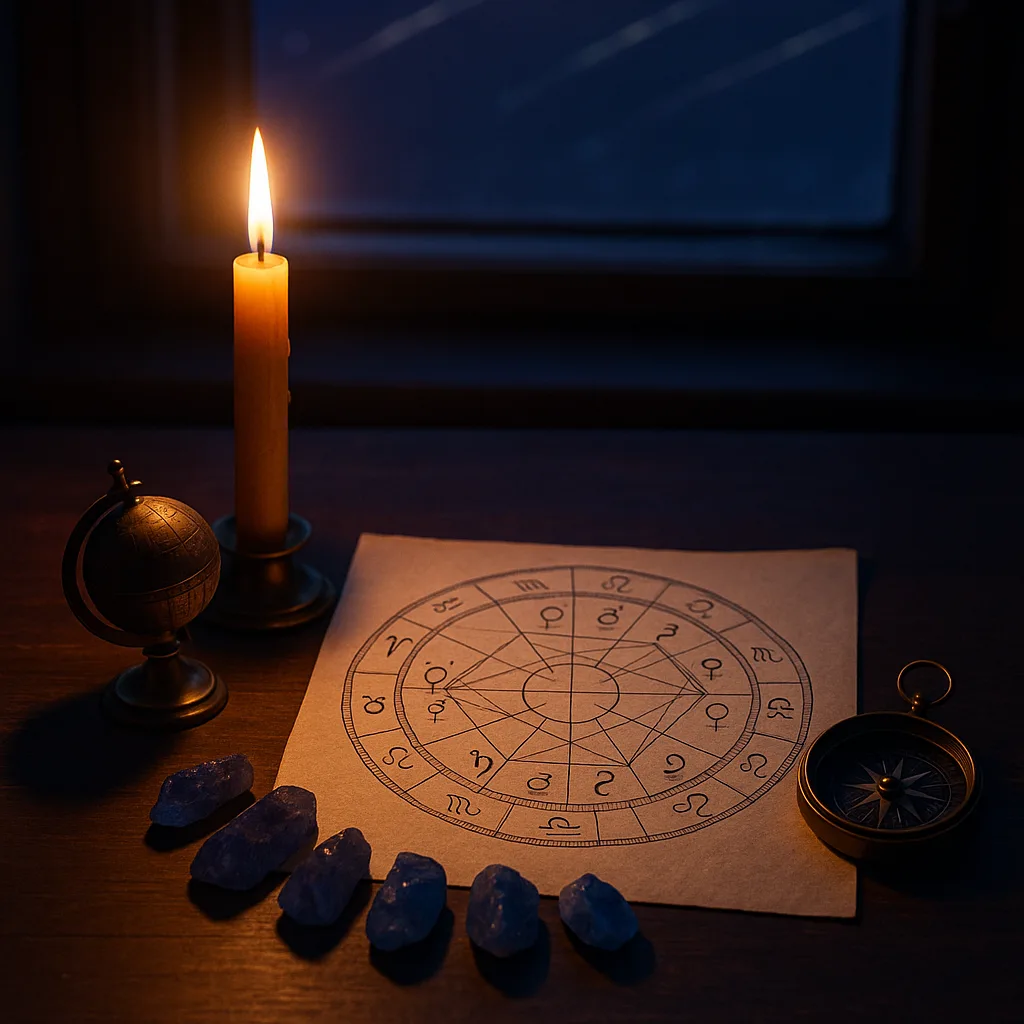
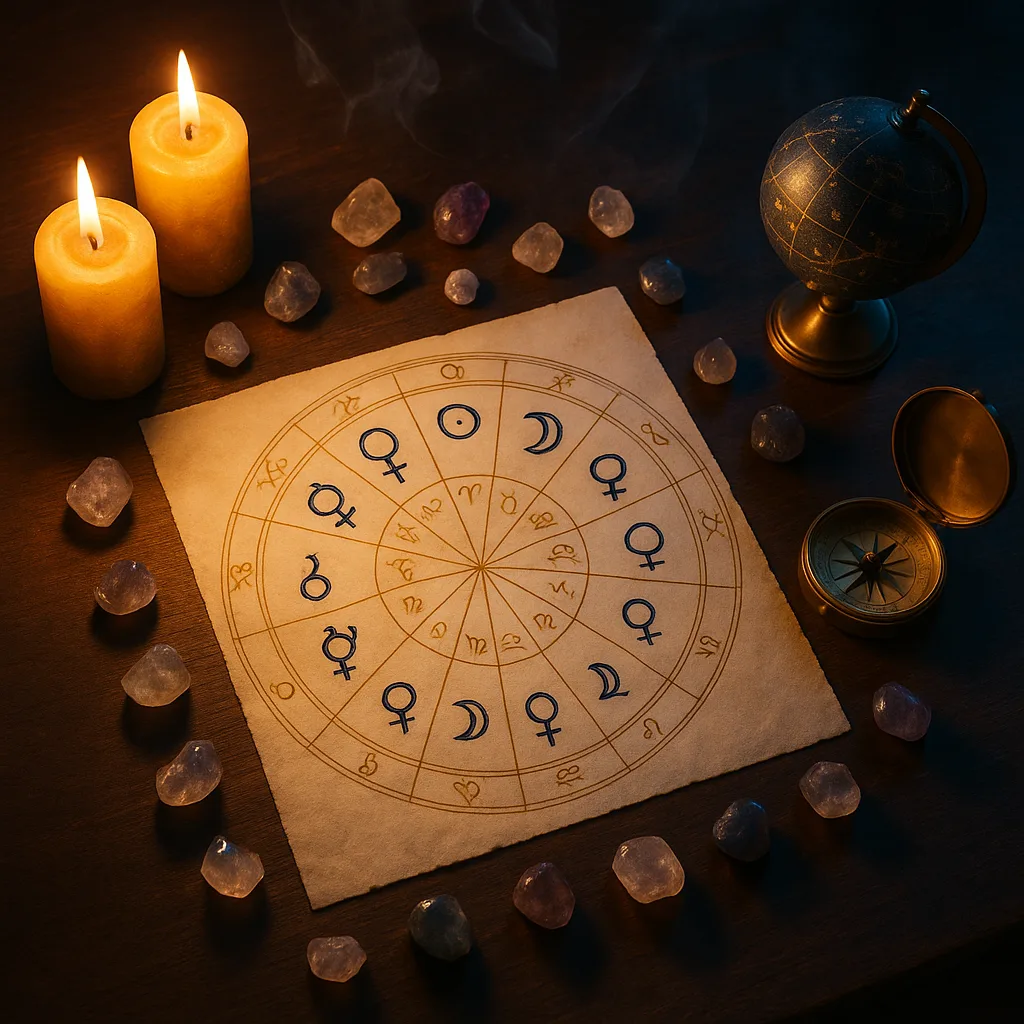
The planets follow their path through the sky every day, shifting position relative to the Sun, Earth, and the zodiac signs. In astrology, this is called a transit: a snapshot of the sky in the present moment, compared to a person's birth chart or observed on a broader collective level. Your natal chart records the planets' positions at the exact moment you were born. Transits are the movement that continues after that, in constant dialogue with that initial record.
Astrologers observe this dialogue to describe the symbolic climate of a phase: periods more conducive to new beginnings, others that call for caution, still others that invite pause and review. It's not a closed prediction, but a language that helps name sensations we often feel without knowing where they come from.
To deepen your understanding of how transits work in practice, it's worth exploring the real method behind reading a planetary transit, which explains how planet, natal point, and aspect combine.
Personal, social, and transpersonal planets: not all weight equally
Not every movement in the sky carries the same weight in daily life. Planets have different ranges of influence. Mercury, Venus, and Mars are personal planets: they move quickly and touch the everyday directly, through communication, affection, desire, and initiative. These are the ones that usually create the most noticeable effect on daily life, the kind where nothing goes as planned.
Jupiter and Saturn are social planets, with longer cycles tied to expansion, structure, goals, and maturation. Their transits often mark phases lasting months or years. Uranus, Neptune, and Pluto are the transpersonal or generational planets: they move so slowly that their effects show up more as cultural backdrop than as an isolated personal event. Understanding this difference helps you calibrate concern: not every transit demands extra attention, and most of them barely register in daily life.
The distinction between transits that change your life and those that simply pass through the sky is well explained in fast versus slow transits, a crucial deep dive for correctly interpreting what's happening in your chart right now.
Mercury retrograde 2026: the year's most talked-about transit
Few astrological phenomena draw as much attention as Mercury's retrograde motion. From an astronomical perspective, the planet doesn't actually move backward: what happens is an optical illusion, since Mercury moves at a different speed than Earth in its orbit, creating the appearance of backward motion in the sky. In symbolic interpretation, this apparent movement is read as an invitation to review rather than to advance.
In 2026, Mercury retrogrades three times, always in water signs, reinforcing a more emotional and intuitive tone for the year in this respect. The calendar is as follows:
| Period | Sign | Symbolic Theme |
|---|---|---|
| February 26 to March 20 | Pisces | Heightened sensitivity, confused thoughts, intuition at peak. A time to close creative cycles and review open emotional matters. |
| June 29 to July 23 | Cancer | Conversations bring up memories and family topics. Good time to revisit old hurts, reconnect with loved ones, and care for household communication with more patience. |
| October 24 to November 13 | Scorpio | One of the year's most intense transits, favorable for deep conversations, guarded truths, and decisions that require courage. |
One rarely mentioned detail: Mercury retrograde effects typically announce themselves about two days before each start, during the shadow period, when the planet slows until it appears still. The same happens at the end of the transit, when it resumes direct motion gradually. That's why it's common to feel the effects slightly before and after the exact dates.
In practice, the most sensitive themes tend to be professional agreements, financial matters, and interpersonal relationships. Astrologer Jéssica Sensitiva, in an interview with CNN Brasil, sums it up this way: this is a period that 'calls for review of agreements, attention to communication failures, and more caution in important decisions, a time to observe, reorganize, and correct course'. In other words, more care before signing contracts, sending impulsive messages, or booking last-minute flights without double-checking everything.
The year also has other retrogrades, and that's normal
Mercury grabs the spotlight, but 2026 holds retrograde motion for nearly every other planet, except the Sun, Moon, and Mars this year. Slower planets like Jupiter, Saturn, Uranus, and Neptune go through retrogrades lasting months: it's part of the natural rhythm of their orbits, not cause for alarm. Here's the overview:
- Venus retrograde, October 3 to November 13, in Scorpio: a relatively rare event occurring roughly every eight years. A time of intense review in love, pleasure, and finances, with denser feelings and perceptions that can distort, especially in emotional bonds and your relationship with your own image.
- Saturn retrograde, July 26 to December 10, in Aries: a phase of rethinking goals, responsibilities, and how each person exercises autonomy and courage to act alone.
- Uranus retrograde, September 10 to February 8, 2027, in Gemini: a moment to reassess ideas, ways of communicating, and the real meaning of mental freedom.
- Jupiter retrograde, December 12 to April 12, 2027, in Leo: an invitation to review ambitions and personal expression, seeking to align success with authenticity.
- Neptune retrograde, starting in July, in Aries: a more subtle phase tied to spirituality, dreams, and illusions that deserve closer examination.
Together, these transits form a backdrop of introspection and reorganization throughout 2026. Communication, relationships, finances, and spiritual life all pass through moments of pause before moving forward with more strength.
What about Mars? The year without retrograde action
There's good news in this more reflective landscape: Mars, the planet of initiative and courage, remains in direct motion during nearly the entire year. This means the energy to act, decide, and put plans into practice tends to flow without the typical obstacles of Martian retrograde. The sky invites calm reflection on matters that need review, but without closing the window to act when the moment calls for movement. This fluidity is worth using to take that step you've been putting off, without neglecting the emotional work that other transits suggest.
How to use transits to your advantage daily
You don't need to memorize ephemerides or become an astronomy expert to benefit from this symbolic reading. A few simple approaches help turn information into conscious practice:
- Follow personal planet transits with closer attention. Mercury, Venus, and Mars move quickly and directly affect communication, affections, and initiative. When one of them retrogrades or forms important aspects, it's time to pause and observe carefully.
- Use retrograde phases as an invitation to pause, not an excuse to freeze your life. Reviewing contracts, reorganizing your schedule, and listening more before speaking already make a practical difference. Retrograde doesn't cancel your agency; it just changes the quality of productive work.
- Watch for patterns, not prophecies. Notice if certain themes repeat when a specific planet transits a particular house or sign in your chart. This is usually more revealing than seeking ready-made predictions.
- Respect the rhythm of slow planets. Changes tied to Saturn, Uranus, Neptune, or Pluto mature slowly, so don't expect immediate results in these cycles. They work over months or years, not days.
Transits function as a symbolic compass: they don't determine what will happen, but they offer a vocabulary for naming the emotional and practical phases we go through. Approaching 2026 with this lens is less about fearing the sky and more about understanding its rhythms and using them to your advantage in making decisions.
According to data from timeanddate.com, the dates of 2026's retrogrades mentioned here match the official planetary cycle dates, confirmed by astronomical ephemerides. This correspondence between the astrological calendar and the actual position of the planets is what makes it possible to work with transits consistently over time.
Frequently Asked Questions
What exactly is a planetary transit?
A transit is the continuous movement of planets through the sky after your birth. Astrologers compare this present movement with the positions recorded in your natal chart (the sky at the exact moment you were born) to identify the symbolic themes of each phase. It's a dialogue between your chart's past and the sky's present.
Why does Mercury retrograde affect communication and agreements so much?
Mercury governs communication, contracts, messages, and thought. When retrograde, the symbolic reading suggests review and confusion in these areas, not because the planet actually causes chaos, but because astrologically it represents an invitation to pause, review, and adjust course. That's why people commonly experience communication breakdowns, misunderstandings, or delays in processes during this period.
Will all the retrograde planets in 2026 bring bad effects?
No. Retrogrades aren't bad; they bring a symbolic invitation for review, introspection, and reorganization in areas specific to each planet. Venus retrograde, for example, calls for review in love and finances, not romantic disaster. Saturn retrograde invites you to rethink goals and responsibilities. Using these periods to reflect and reorganize is exactly what astrology suggests.
If Mars stays direct all year in 2026, can I do everything without problems?
Mars direct means the energy to act and decide flows more naturally, without the obstacles of retrograde. But that doesn't mean everything will go perfectly: other retrogrades, like Mercury and Venus, still call for caution in communication and relationships. Use Mars' free energy to act when those periods call for review, not to ignore the invitations to pause from other planets.
How do I know if a specific transit is affecting my chart?
You need to know where your natal points are (Sun, Moon, Ascendant, and houses) to compare them with the current position of transiting planets. An astrologer can do this reading for you, or you can explore resources about how birth charts go beyond the sun sign, which explains the difference between generic horoscopes and your actual chart.
Recomendado
Astro Reflexo
Descubra o que os astros revelam sobre quem você é. Em menos de um minuto, calculamos seu Sol, Lua e Ascendente com precisão astronômica e uma inteligência artificial escreve um resumo personalizado só para você.

Recomendado
MAPA ASTRAL E NUMEROLÓGICO PERSONALIZADO
Mapa Astral + Numerologia Um mergulho profundo na sua essência. E se tudo o que você procura… já estivesse dentro de você - esperando para ser revelado?

Recomendado
Manual Prático da Astrologia
O universo sempre exerceu um fascínio indescritível sobre a humanidade. De todas as suas maravilhas, a astrologia se destaca como uma antiga arte que tem intrigado e inspirado gerações.
Universo Astral Editorial Team · Tarot and moon transits
This article was produced by the Universo Astral editorial team, with AI tools assisting research and drafting and human review before publication. If you spot anything inaccurate or outdated, let us know at our contact email.