Destiny Number in Numerology: Birth Date or Name? Both Calculations
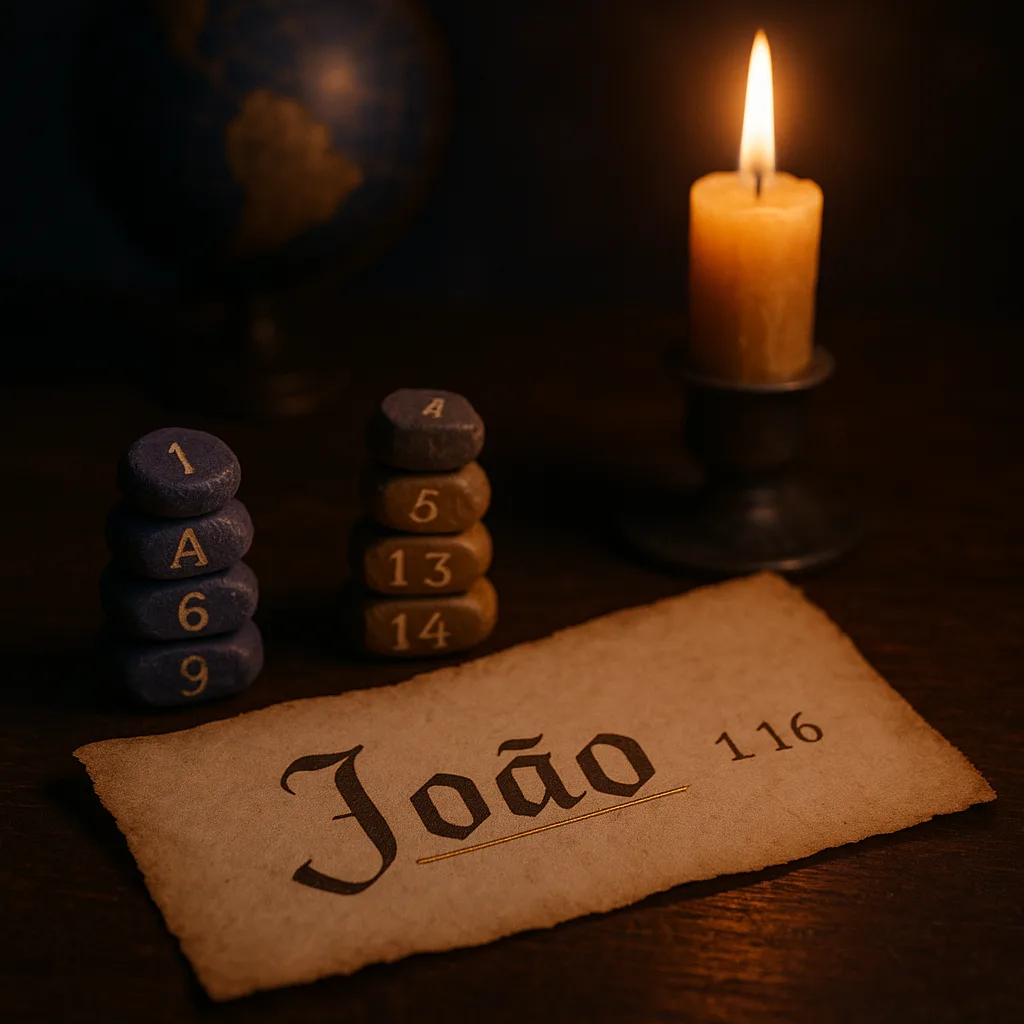
If you've researched how to calculate your destiny number and found two completely different methods, there's no error or contradiction between sources. Two legitimate numerological traditions genuinely use the same name for different numbers. One calculates from birth date. The other comes from your full registered name. Both have legitimate roots: the first stems from Vedic numerology and is most popular in Brazil; the second comes from the Western Pythagorean tradition, connected to Pythagoras and ancient Greek philosophical schools that assigned symbolic meaning to numbers, as documented in encyclopedic sources on the history of ancient numerological and astrological traditions. In the Pythagorean system, what's often called the destiny number here is commonly called the expression number there. This article explains both approaches, shows how to calculate each one with practical examples, and helps you understand what each result actually reveals.
Two destinies, two different questions
The number calculated from birth date speaks to the karma with which a person entered this world: the energy already in motion at the moment of birth, shaping life's underlying purpose. The number calculated from a name speaks to the karma a person expresses, or how that purpose translates into identity, visible talents, and the way they present themselves to the world. One is the direction; the other is the vehicle used to travel it. Neither invalidates the other: they answer different questions about the same life.
This confusion between numbers with similar names but describing different layers of a person isn't unique to the destiny number. It also appears when comparing the personal number, destiny number, and soul number, three calculations often mixed up by those beginning to study their personal chart.
Method 1: Destiny number from birth date
This is the most widely known version here, also called the life path number. Many numerologists consider this the single most important number in a personal chart because it's fixed: it doesn't change over time, doesn't update each year like the personal year, and remains the same vibration from birth until life's end.
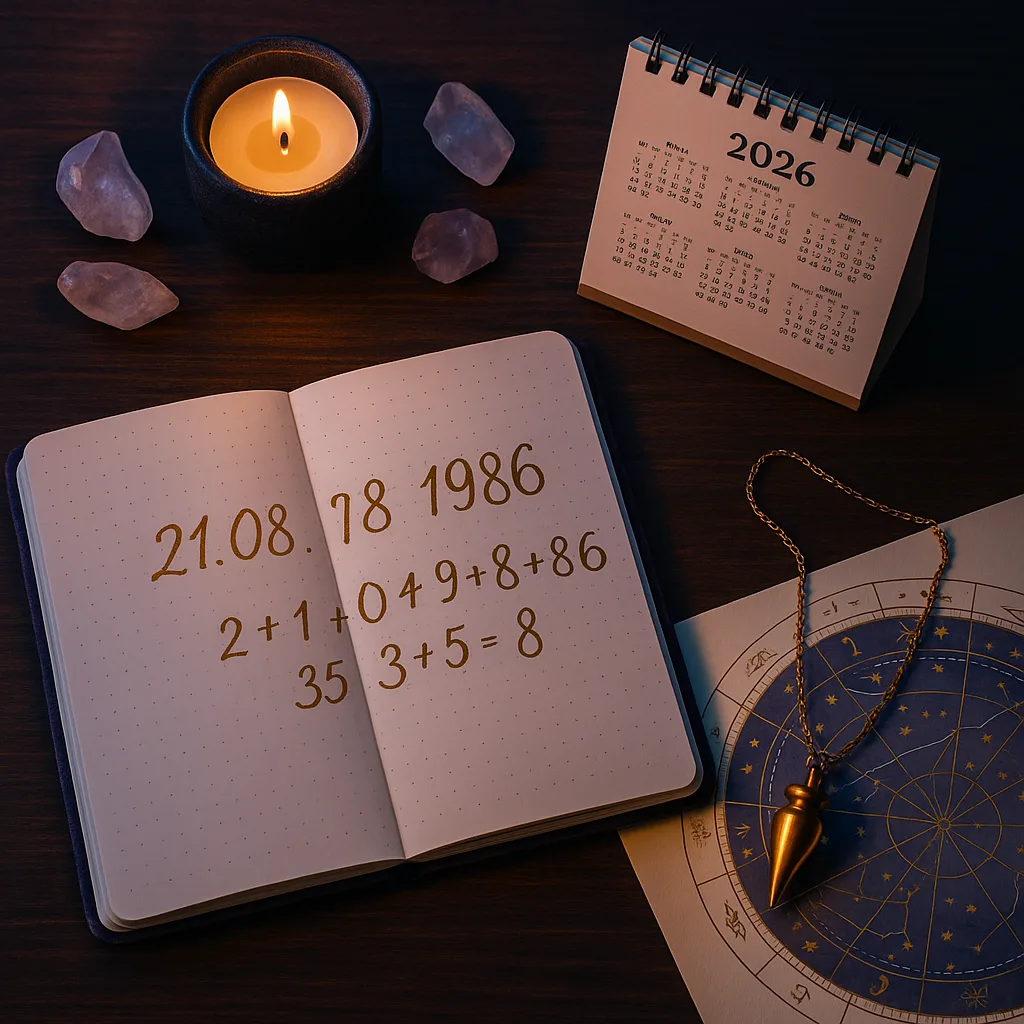
The calculation is straightforward: add all digits from the complete birth date (day, month, and year) and reduce the result to a single number, except when master numbers appear.
A practical example: for June 9, 1995, you add each digit separately: 9 (day) + 6 (month) + 1+9+9+5 (year) = 9+6+1+9+9+5 = 39. Reduce again: 3+9 = 12, then 1+2 = 3. That person's destiny number would be 3.
The rule applies to any date: add everything and reduce until one digit remains between 1 and 9, unless the result along the way is 11, 22, or 33. In those cases, reduction stops. This is explained further ahead. For those wanting to dive deeper into just this calculation, check the complete life path step-by-step guide, which details other date variations.
Method 2: Destiny number (or expression number) from full name
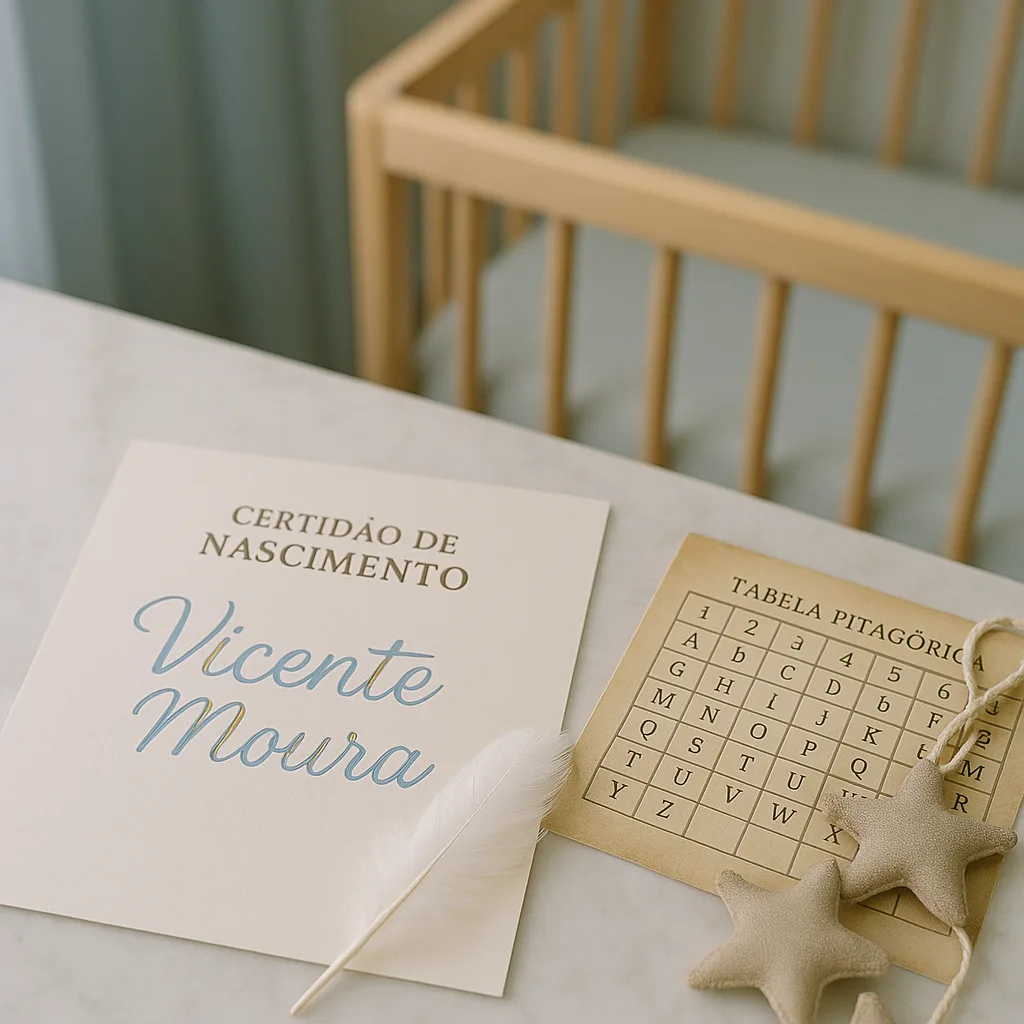
In the Pythagorean tradition, the destiny number comes from your full birth name, the one registered on your birth certificate, without nicknames, married names, or stage names. The reasoning is that the name given to a person was no accident: it carries its own vibrational signature, revealing innate talents and abilities that may still be dormant. This idea also appears in discussions about numerology of a baby's name even before official registration.
To calculate, each letter of the alphabet receives a value from 1 to 9, following the classical Pythagorean table (A=1, B=2, C=3, D=4, E=5, F=6, G=7, H=8, I=9, J=1, K=2, and so on, repeating the 1 to 9 cycle). An important methodological point: the correct calculation sums the letter values from each name separately (first name, then middle name, then last name) and only then adds those partial results together. Summing all letters of the full name at once, ignoring this separation, is a common mistake that often skews the number at intermediate stages, even if the final digit sometimes matches.
A simplified example: if the sum of letters in a full name totals 85, you reduce it like this: 8+5 = 13, then 1+3 = 4. The destiny number in that case would be 4.
There's also a variation called the soul number (or impression number): instead of using all name letters, you use only the vowels, summing and reducing the same way. This number typically reveals inner desires and motivations, while the complete expression number shows how those desires manifest outward. Those wanting to understand this deeper layer can see how to calculate the soul number and why it doesn't always align with visible success.
Quick summary of both calculations
To see the difference between the two methods practically, review these steps side by side:
- From birth date: write out the complete date (day, month, year).
- Add each digit separately: from the day, month, and year written out (example: 1995 becomes 1+9+9+5).
- Add all partial results into one total (in the example used, 39).
- Reduce the total by adding its own digits until one number from 1 to 9 remains (39 becomes 12, which becomes 3), unless 11, 22, or 33 appears along the way.
- From full name: separate the name into parts (first name, middle name, last name).
- Assign each letter a value from 1 to 9 using the Pythagorean table and sum the letters of each part separately.
- Add the partial totals of each part together (in the example used, reaching 85).
- Reduce that final total the same way, digit by digit, until one number remains (85 becomes 13, which becomes 4), except when a master number appears.
Master numbers: when reduction must stop
In either method, there's one important exception: if at any point in the sum the result reaches 11, 22, or 33, reduction stops there. These are master numbers, considered rare and more intense than others because they carry both the energy of the doubled number and the energy of the digit they would normally reduce to (11 carries 2, 22 carries 4, 33 carries 6).
Being born with or having a name linked to a master number is often described as a vibration of greater potential but also greater demand. The 11, for example, is frequently called the number of the old soul: people with this mark tend to have easy access to unspoken things, an almost intuitive sensitivity to catch hidden truths, and a presence that inspires others to act without conscious effort from them. It's common to say that being close to someone with an 11 is difficult without feeling somehow infected by a drive to do more. For those wanting to understand this origin better and the disagreements between schools on the topic, there's a specific overview on the controversial origins of master numbers 11, 22, and 33, plus an analysis of cases where this vibration weighs more than it helps, in the article on the heavy side of master numbers.
What each number tends to reveal
Regardless of the method used, the archetypes of 1 to 9 follow similar logic, though the name method emphasizes external expression more while the date method emphasizes underlying purpose. The table below organizes the examples mentioned in date and name calculations:
| Number | Meaning in the date version (life path) | Meaning in the name version (expression) |
|---|---|---|
| 1 | Arrival carrying lessons of independence and leadership; tendency to forge new paths | Expression of initiative and unwillingness to follow already-worn roads |
| 2 | Purpose linked to sensitivity and calling for partnership | Energy symbolically tied to the Moon, favoring diplomacy and listening |
| 9 | Idea of cycle completion, someone arriving to close a chapter and offer a complete perspective | Natural talent for sensing when something isn't true, reading character with ease |
These descriptions work better as a starting point than as a finished portrait. The number points to an inclination, not a predetermined life script.
Using both numbers in practice
For a more complete numerology reading, calculate both and observe where they align and where they diverge. When the date number and name number point to similar energies, it's a sign that life's underlying purpose and how a person presents themselves to the world are in harmony. When they diverge, that's not a problem: it simply means there's a distance to travel between what came at birth and what's still being built through personal identity and expression. There's a specific guide on what to do when life path and expression point in opposite directions, should that divergence show up in your own calculation.
The birth date number shows the karma with which a person arrived; the name number shows the karma they choose to express.
Married names, nicknames, and stage names also carry weight (called the minor expression number), but typically receive secondary influence compared to the original birth name, which remains the most widely used reference by numerologists for this specific calculation.
Having clarity about which number is being calculated prevents the most common confusion among those new to numerology: comparing results from different sources thinking they're the same number, when actually they describe different layers of the same person.
Frequently asked questions
What's the difference between destiny number and life path number?
In practice, they're usually the same calculation: both come from birth date and show life's underlying purpose. The name confusion arises because in the Western Pythagorean tradition, what's called the destiny number is often treated here as the expression number, calculated from the name.
Can I use a nickname or stage name to calculate the destiny number from a name?
The traditional calculation uses the full name on your birth certificate, without nicknames, married names, or stage names. Those variations carry secondary weight, called the minor expression number, but the main reference remains the original birth name.
What does it mean if my date number and name number are different?
That doesn't indicate a calculation error. It means there's a distance between the underlying purpose brought at birth and how that purpose is still being expressed through personal identity. The article on what to do when numbers don't align explores this scenario in greater depth.
Why aren't 11, 22, and 33 reduced like other numbers?
These three are called master numbers because, according to numerological tradition, they carry both the energy of the doubled number and the energy of the digit they would normally reduce to (11 to 2, 22 to 4, 33 to 6). That's why reduction stops as soon as one appears in the calculation, whether in the date or name.
Does the destiny number from a name change if I change my name?
Yes, in theory the calculation changes because it uses the letters of the full name. But most numerologists still consider the original birth name as the main reference, treating later names as additional layers rather than replacement of the original number.
Recomendado
Astro Reflexo
Descubra o que os astros revelam sobre quem você é. Em menos de um minuto, calculamos seu Sol, Lua e Ascendente com precisão astronômica e uma inteligência artificial escreve um resumo personalizado só para você.
Universo Astral Editorial Team · Birth charts and numerology
This article was produced by the Universo Astral editorial team, with AI tools assisting research and drafting and human review before publication. If you spot anything inaccurate or outdated, let us know at our contact email.