Ruling Planets of Each Sign: The Key to Temperament
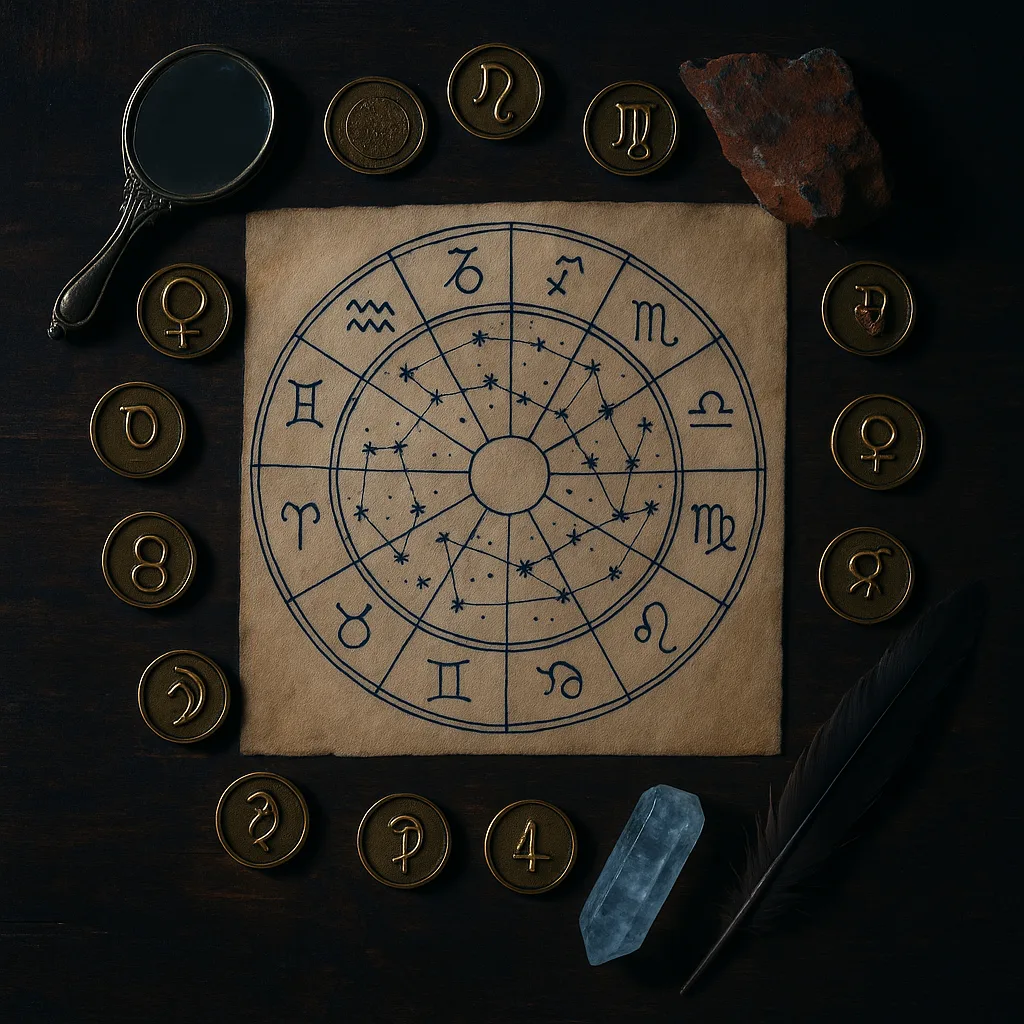
Why do Aries and Taurus have such different temperaments?
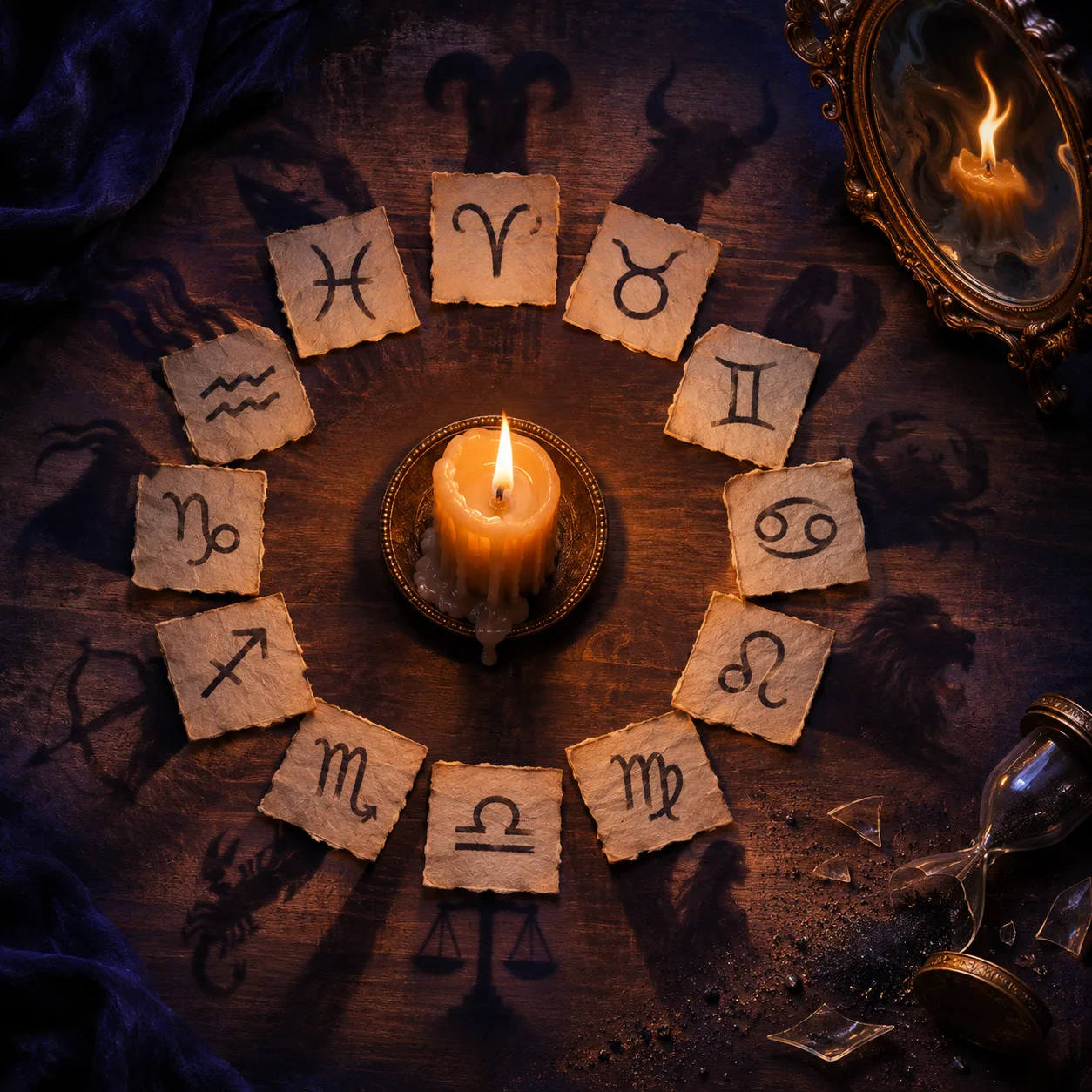
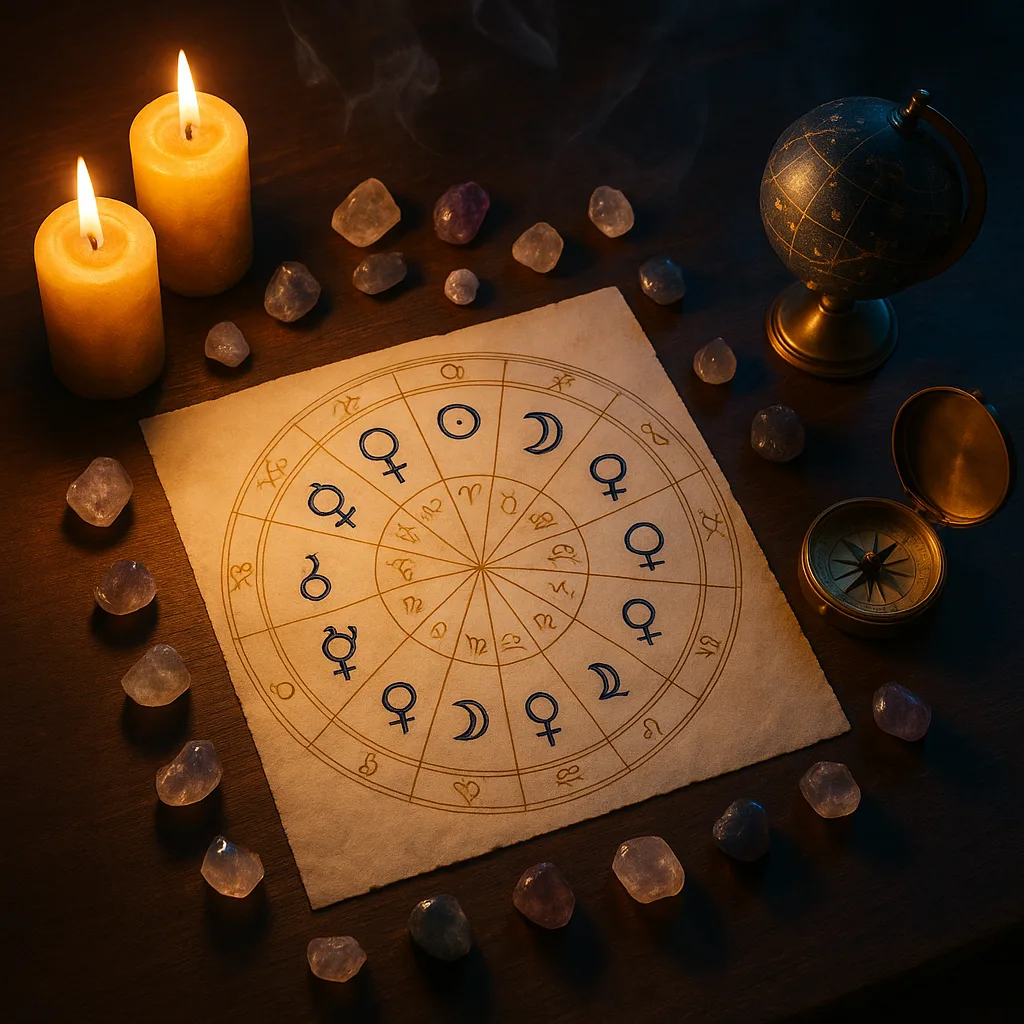
Why is Aries said to be impulsive, Taurus stubborn, and Gemini scattered? The answer lies in a system older than birth date alone: the ruling planets. Each of the 12 signs has a planet associated with it, functioning as a symbolic guide that lends its energy to the typical behavior of that sign. Understanding this logic changes how you see any zodiac profile: the trait stops being a loose label and becomes something traceable to a clear source.
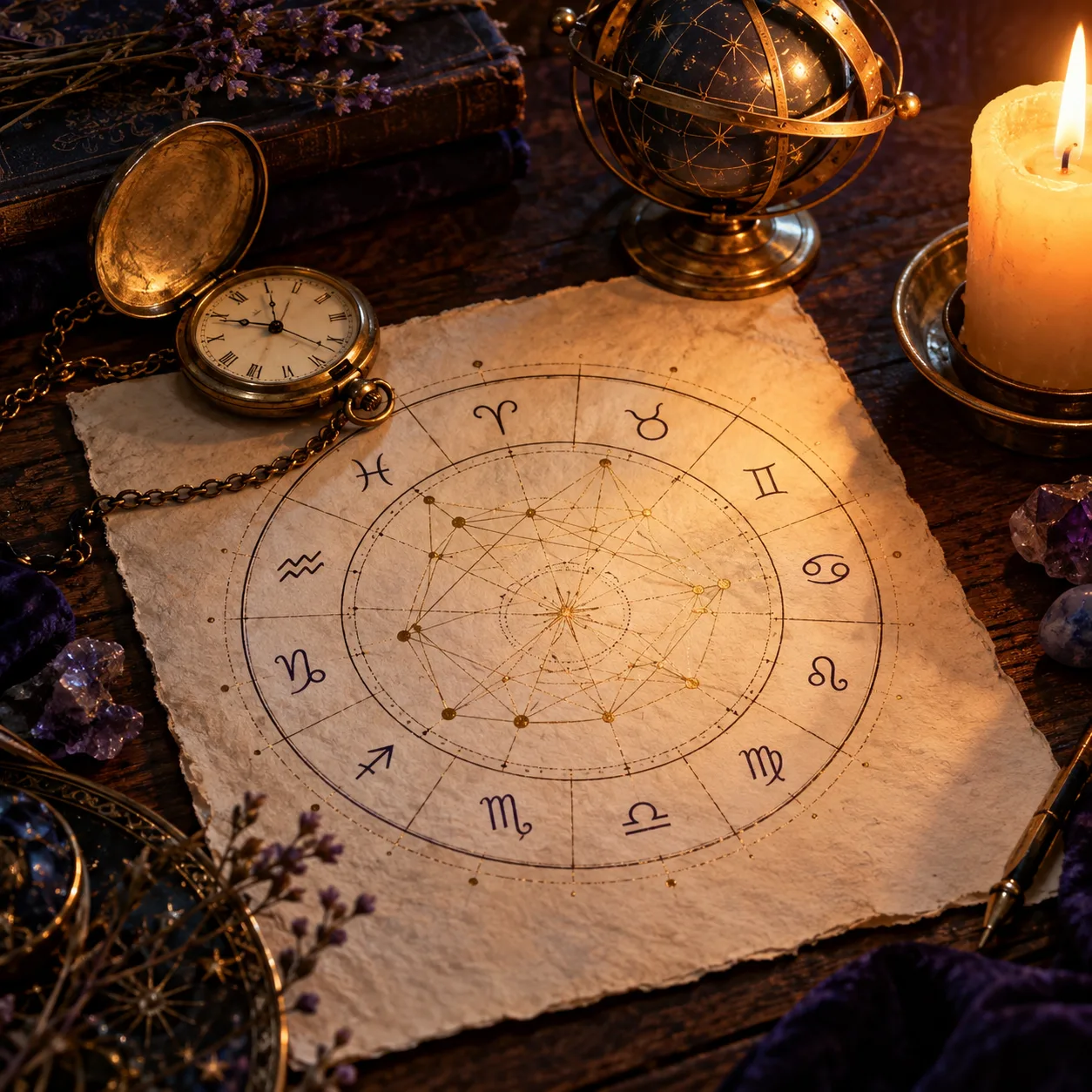
One clarification before continuing: the profile commonly associated with a sign is actually the reading of the solar sign, just one layer of a complete birth chart, which contains 12 signs and 10 celestial bodies (Sun, Moon, Mercury, Venus, Mars, Jupiter, Saturn, Uranus, Neptune, and Pluto). Two people with the same solar sign, born at different times or in different years, can have quite distinct temperaments, because the Moon and Ascendant, part of what's called the 'Big Three', significantly shift that picture. This layering is explained in more detail in the article about the 12 zodiac signs, personality, light and shadow of each. This is a symbolic and cultural system, built over centuries of tradition, not a scientifically proven truth about human nature.
A tradition inherited from Rome
In ancient Rome, only the planets visible to the naked eye were known: Sun, Moon, Mercury, Venus, Mars, Jupiter, and Saturn. Because there were so few, each had to govern more than one sign at once. Only later, with the discovery of Uranus, Neptune, and Pluto, could astrologers refine these associations, assigning more specific rulerships to Aquarius, Pisces, and Scorpio. This history explains why Venus rules both Taurus and Libra, even though it manifests very differently in each. That contrast is what gives the system its richness. It's worth noting that the names and official boundaries of the zodiac constellations, including the 88 recognized by modern astronomy, are standardized by the International Astronomical Union, the body responsible for official astronomical nomenclature, though astrology works with its own symbolic division, independent of that scientific classification.
Fire: the impulse of Aries, Leo, and Sagittarius
Fire signs share an almost physical energy, a disposition to act without much hesitation. In Aries, under Mars' dominion, this force shows up as boldness and impetuousness. Researchers Michel and Françoise Gauquelin, in statistical surveys, found a higher incidence of Mars in charts of elite athletes and military personnel, people accustomed to competition and claiming territory. The Arian acts driven by the will to win, to get ahead, to forge new paths.
Leo is ruled by the Sun, a detail that matters: as the center of the solar system and the source of light, it gives the Leo native an expressive, creative, and generous manner, with a genuine desire to be seen and recognized. Sagittarius, under Jupiter's rulership, the largest planet in our solar system, inherits a taste for breadth: it appreciates distant horizons, philosophical reflection, travel, and everything that expands one's view of the world. All three share the same fuel (vigor, enthusiasm, urgency to live), but each ruling planet directs that energy elsewhere: competition, protagonism, or expansion. The logic of how element and modality combine to create these differences is detailed in why signs of the same element have such different personalities.
Earth: the firmness of Taurus, Virgo, and Capricorn
While fire pushes toward action, earth asks for concrete proof. These are signs that value what can be touched, measured, and built. Taurus has Venus as its ruler, but a Venus different from Libra's: here it appears in sensory form, linked to physical pleasure, taste, and domestic comfort. That's why Taurus natives have a reputation for good taste and knowing how to savor pleasurable experiences. Venus is always tied to life's most agreeable aspects, whether aesthetic, material goods, or affection.
Virgo is also influenced by Mercury, but in a register quite different from Gemini's: instead of scattered curiosity, there's meticulous observation, a search for order and refinement. This is Mercury's mind turned toward detail and the practical solution of problems. Capricorn, commanded by Saturn, the planet of structure, time, and discipline, cultivates strategic patience and a sense of responsibility, like someone planning in decades rather than weeks. All three share this calling for the tangible, but Venus, Mercury, and Saturn give it distinct flavors: pleasure, precision, and perseverance.
Air: the curiosity of Gemini, Libra, and Aquarius
Air signs revolve around ideas, dialogue, and connection: what unites them is intellectual inclination and the need to communicate, exchange, and understand. Gemini, ruled by a lighter, more youthful Mercury, embodies endless curiosity: quick reasoning, love of novelty, and ease in discussing any subject without going too deep. Libra is also ruled by Venus, but here the focus is on harmony between people: the Libra native seeks balance, fairness, and genuine bonds, naturally turning to tact and kindness in relationships. Aquarius, historically tied to Saturn and, in the modern reading, also to Uranus, joins independence from social norms with innovative thinking: it's the sign that questions established patterns and prefers to go against the grain, literally and symbolically.
Water: the sensitivity of Cancer, Scorpio, and Pisces
If air processes the world through reason, water feels before understanding. These are the signs most connected to emotion, intuition, and affective memory. Cancer, under the Moon's influence, maintains the strongest link with home, family, and memories: it welcomes what it feels, protects those important to it, and lives according to mood cycles that recall, not by accident, the Moon's own phases. Scorpio, traditionally tied to Mars and, in the modern reading, also to Pluto, carries an intensity that rejects superficiality: it seeks to understand hidden motivations and transforms any emotional experience into something profound and lasting.
Pisces closes the zodiac cycle under the command of Jupiter, according to ancient tradition, and Neptune, in contemporary reading: a combination that joins expansion with the dissolving of boundaries between self and other. It's the sign of near-boundless compassion, fertile imagination, and a sensitivity that sometimes exhausts itself by absorbing everything around it. That's why Pisces is said to close the astrological journey carrying a bit of the essence of the eleven signs before it.
Summary table: ruling planet, element, and dominant trait
To quickly see how each ruling planet connects to a sign's temperament, here's a summary of what we've discussed:
| Sign | Ruling planet | Element | Dominant trait linked to the ruling planet |
|---|---|---|---|
| Aries | Mars | Fire | Boldness and drive to claim territory |
| Taurus | Venus (sensory) | Earth | Physical pleasure and appreciation of comfort |
| Gemini | Mercury (light) | Air | Quick curiosity without deep focus |
| Cancer | Moon | Water | Nurturing and emotional cycles |
| Leo | Sun | Fire | Expressiveness and desire for recognition |
| Virgo | Mercury (analytical) | Earth | Attention to detail and pursuit of order |
| Libra | Venus (relational) | Air | Balance and sense of justice |
| Scorpio | Mars / Pluto | Water | Intensity and search for hidden motivations |
| Sagittarius | Jupiter | Fire | Love of breadth and expansion |
| Capricorn | Saturn | Earth | Discipline and long-term planning |
| Aquarius | Saturn / Uranus | Air | Independence and innovative thinking |
| Pisces | Jupiter / Neptune | Water | Compassion and boundary dissolution |
How to use this information
Knowing which planet rules a sign doesn't serve to lock anyone into a fixed label. It serves to identify where a trait comes from and understand why it manifests that way. A kind Libra and a Taurus who loves pleasures both share Venus as their ruler, but express that energy in completely different domains: one in relationships, the other in sensations. That's the real utility of the system: it doesn't determine a closed future, only offers a symbolic vocabulary to name tendencies.
This same logic of rulership helps explain why certain sign pairs fit together more naturally than others, as shown in the article about the most lasting sign pairs in astrology. For anyone wanting to go beyond the solar sign, the next step is to observe the Moon and Ascendant in your own chart: that's where the part of personality that birth date alone could never reveal lies.
Frequently asked questions
What does a sign's ruling planet mean?
It's the planet traditionally associated with a zodiac sign, functioning as a symbolic guide and lending part of its energy to the typical temperament of that sign. Mars, for example, rules Aries and gives that sign its reputation for being impulsive and combative.
Why do some signs have two ruling planets?
Because in ancient Rome only seven planets visible to the naked eye were known (Sun, Moon, Mercury, Venus, Mars, Jupiter, and Saturn), and these had to rule more than one sign each. With the later discovery of Uranus, Neptune, and Pluto, Aquarius, Pisces, and Scorpio gained modern rulers as well, kept alongside their traditional ones.
Is a sign's ruling planet the same as the solar sign?
No. The solar sign is defined by the Sun's position at the moment of birth, while the ruling planet is the planet that governs that specific sign. Leo, for example, is ruled by the Sun, but a person can have the Sun in Leo and still have Moon and Ascendant in signs ruled by other planets, which changes their overall temperament considerably.
Do two signs with the same ruling planet have similar personalities?
Not necessarily. Taurus and Libra are both ruled by Venus, but the planet expresses itself differently in each: in Taurus, in a sensory way tied to physical comfort; in Libra, in a relational way, focused on harmony between people. The element and modality of each sign direct the ruling planet's energy toward distinct fields.
Recomendado
Astro Reflexo
Descubra o que os astros revelam sobre quem você é. Em menos de um minuto, calculamos seu Sol, Lua e Ascendente com precisão astronômica e uma inteligência artificial escreve um resumo personalizado só para você.
Universo Astral Editorial Team · Zodiac signs and fun facts
This article was produced by the Universo Astral editorial team, with AI tools assisting research and drafting and human review before publication. If you spot anything inaccurate or outdated, let us know at our contact email.