Fast and Slow Transits: How to Tell If Today's Sky Just Passes or Changes Your Life
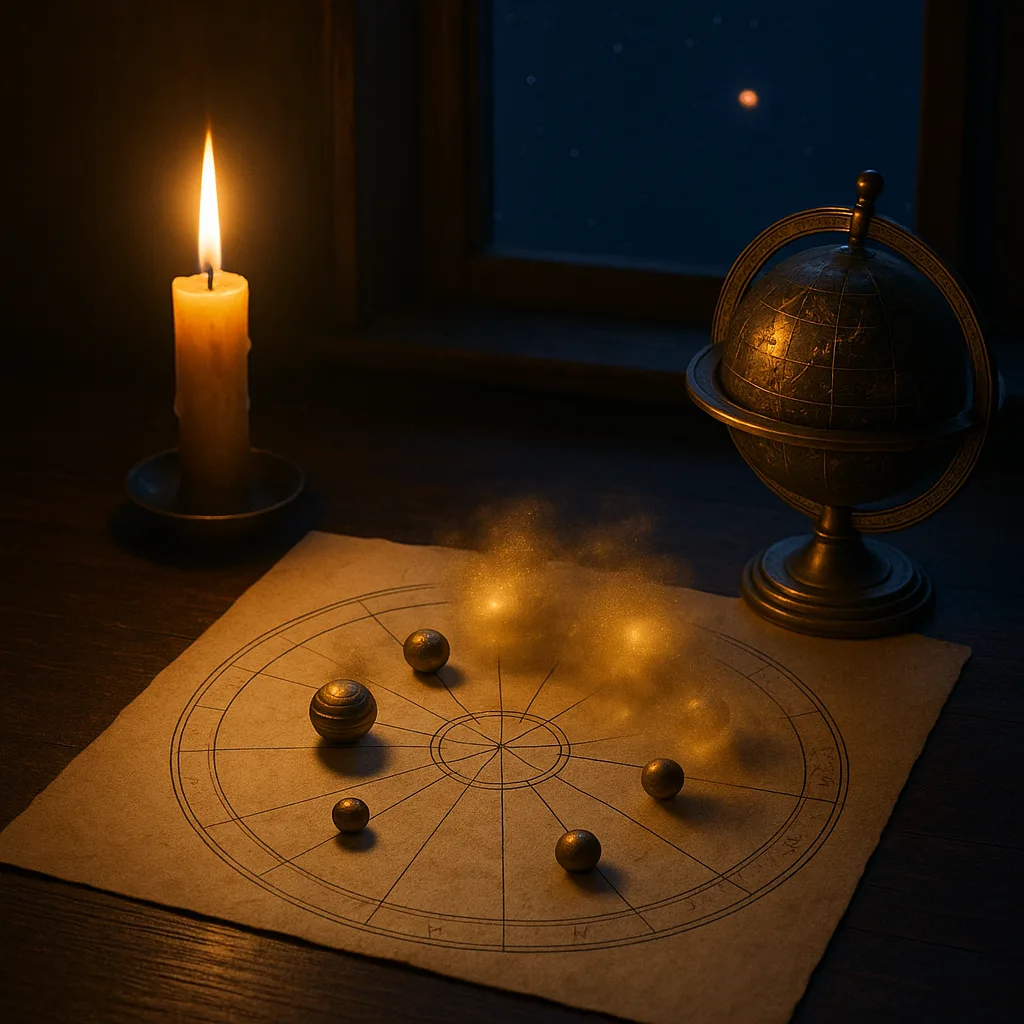
An ordinary day, a sky in motion
On August 11, 2026, Mars changed signs and entered Cancer. It seemed like a technical detail, almost invisible, but anyone tuned to their own inner rhythm might have noticed something different: a stronger urge to protect those they love, more emotional reactions than usual, a certain difficulty saying directly what bothers them. It's not coincidence; it's a planetary transit doing its quiet work. This blend of subtlety and real effect is why so many people wonder why some transits pass unnoticed in a few days while others seem to reorganize entire life chapters for months or even years.
What a transit is, in practice
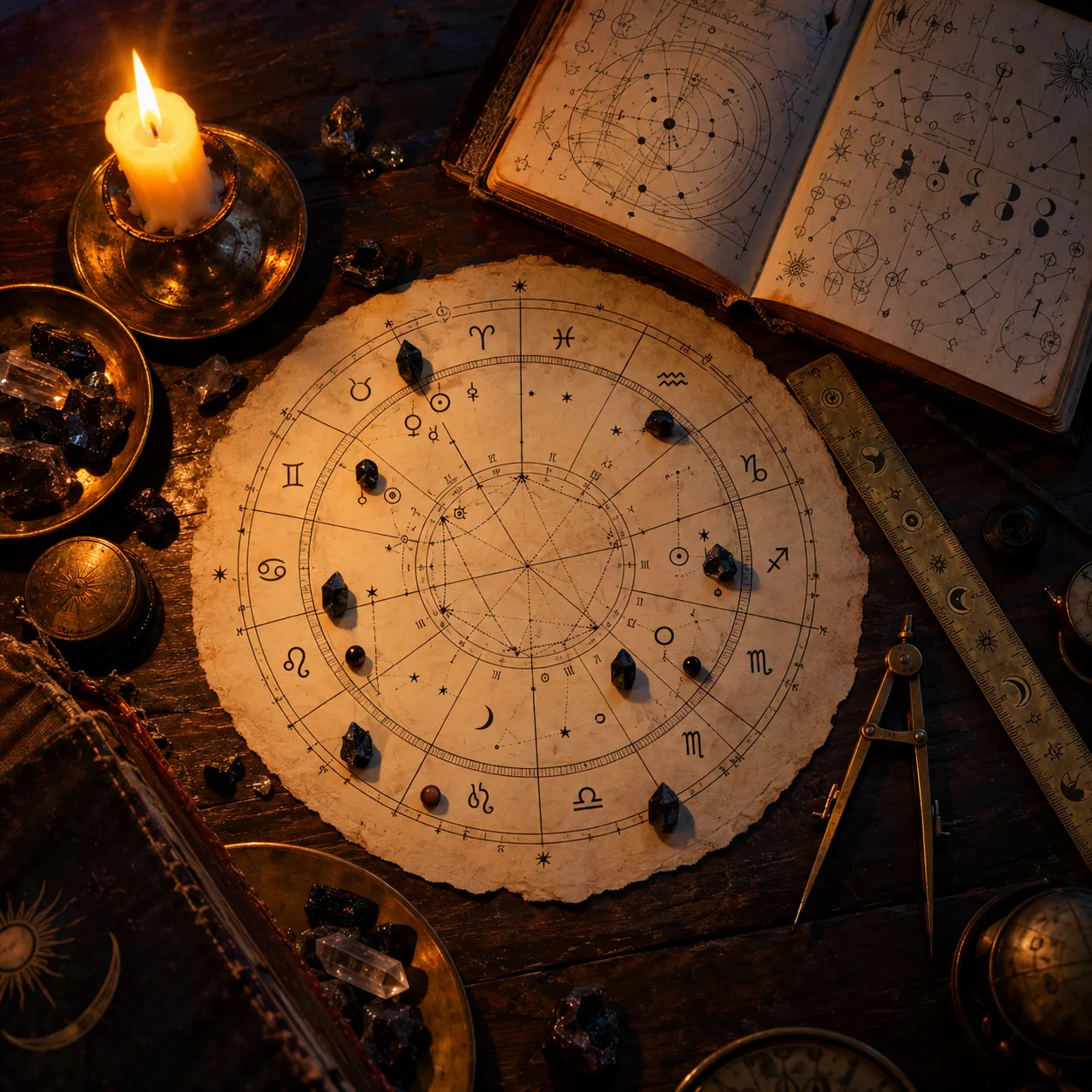
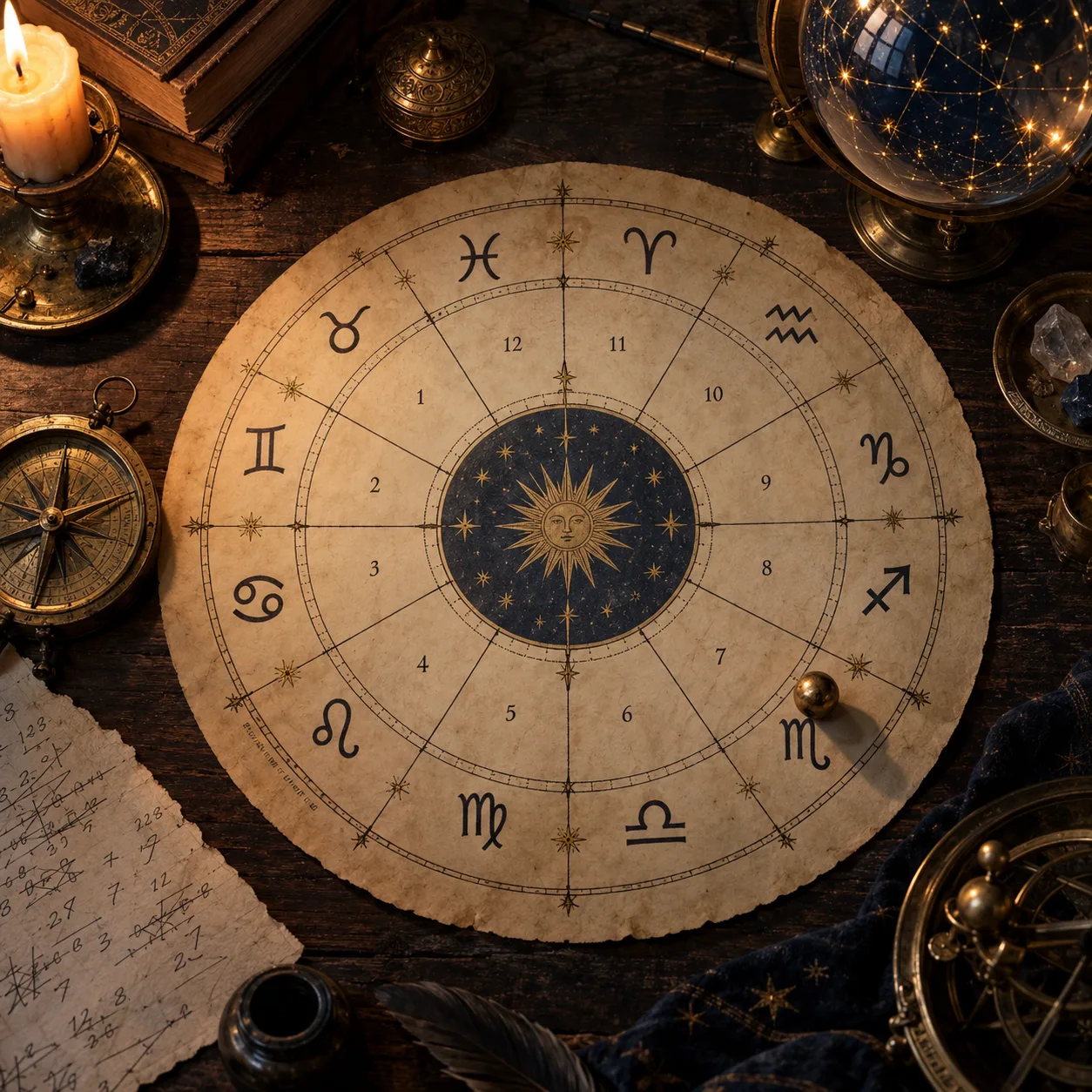
When someone is born, the sky at that moment is recorded forever in their birth chart: a fixed photograph that never changes. Planets, however, don't stop. They keep moving around the Sun and, throughout a lifetime, they form different angles with the planets and points in that birth chart. Each time this happens, we have a transit: a moment when the energy of a moving planet speaks to a fixed energy in the chart, activating something that might be beginning, unfolding, reaching a peak, or ending. For anyone wanting to understand the mechanics in more depth, it's worth reading about the method used to read a planetary transit, which details how planet, natal point, and aspect combine.
A point defended by astrologers like Marcia Fervienza is that the transit itself doesn't create good or bad events: it indicates the manifestation of an energy that coincides with situations the person will have to live through anyway. Knowing this in advance isn't predicting the future like reading a sentence. It's gaining a time map, a chance to prepare internally before circumstance knocks on the door.
Transits are also cyclical. You've likely already lived through an earlier version of the transit you're facing now, and this repetition, far from being tiring, is an advantage: last time you learned something, and you can use that knowledge to move through the current phase with less suffering.
The difference between what passes quickly and what shifts structures
The key to understanding why some days feel heavy and others go unnoticed is observing which planet is in transit. Personal planets (Moon, Sun, Mercury, Venus, and Mars) move quickly through the zodiac, and their transits typically last from hours to a few weeks. They work like the day's weather: they influence mood, communication, desire, and initiative, but rarely reshape something deep on their own.
Slow planets (Jupiter, Saturn, Uranus, Neptune, and Pluto) take months, years, or even decades to move through a single sign. That's why their transits aren't passing episodes; they're entire seasons of life. A Saturn transit, for example, tends to last more than two years over the same point in your chart, bringing lessons about structure, maturity, and responsibility that don't resolve overnight. Jupiter, the planet of expansion and wisdom, when transiting the signs and houses of the collective chart, often coincides with periods of cultural growth, advances in education and science, and social movements seeking more justice and freedom: signals that go beyond individual life and touch entire groups, societies, epochs. This kind of collective movement differs from what affects only your personal life, a distinction explained in more detail in the article about collective transits versus personal transits.
This difference in scope is also a difference in interpretive responsibility. A quick transit can be observed with relative ease in daily life, but slow transits usually ask for more careful analysis, preferably with the support of an astrologer, since they involve deeper layers of personality and entire life cycles.
The table below summarizes the rhythm difference between the two groups of planets and the kind of effect each typically brings:
| Group of planets | Typical transit duration | Type of effect |
|---|---|---|
| Personal planets (Moon, Sun, Mercury, Venus, Mars) | Hours to a few weeks | Daily mood, communication, desire, initiative |
| Saturn | More than two years over the same point | Structure, maturity, responsibility |
| Jupiter | About one year per sign | Expansion, cultural growth, opportunities |
| Uranus, Neptune, and Pluto | Several years to decades per sign | Generational and collective shifts at depth |
Tension that pushes, smoothness that settles
Another factor determining how much a transit will weigh is the kind of aspect formed between the moving planet and the birth chart point it activates. Soft aspects, like the trine, tend to flow naturally: they bring opportunities that seem to land in your lap, without much conscious effort. Tense aspects (square, opposition, and some conjunctions) are the ones that provoke most friction, and that's why they usually generate real growth. It's the tension that forces a shift in stance, that pulls you out of your comfort zone and demands an adjustment that, without the discomfort, might never happen.
An example is unfolding: around August 21, 2026, Venus enters opposition to Saturn in Aries. It's an aspect that tends to demand more realism and maturity in bonds and self-love. Not necessarily an easy period, but one of those moments when the emotional structure that endures comes out more solid on the other side.
One month as a case study
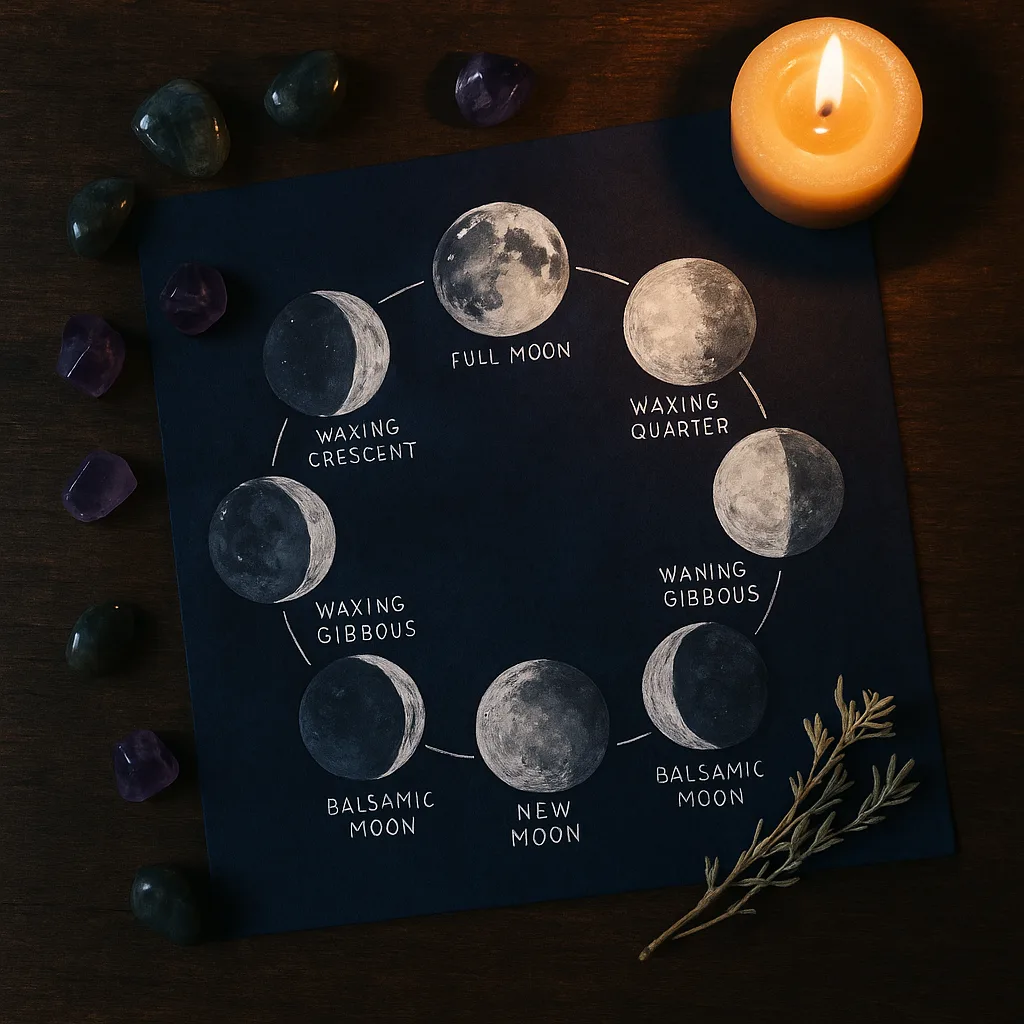
August 2026 is a good portrait of how quick and slow planets interweave in daily life. Beyond Mars entering Cancer, the month brought Venus moving into Libra and Mercury passing through Leo, quick movements that shift the tone of relationships and communication for weeks, not years. At the same time, the sky held the last two eclipses of 2026: the Solar Eclipse in Leo on August 12, and a Lunar Eclipse in Pisces. NASA's eclipse catalog gathers the dates and paths of these phenomena, which astrologically function as symbolic turning points, capable of speeding up stories already underway for months. For anyone wanting to better understand the meaning of each lunar phase that made up this month, there's a complete overview about the month when the sky moved through all four lunar phases with an eclipse.
Closing the month, the Sun enters Virgo on August 22 and Mercury follows on August 25, a pair that usually brings focus, organization, and the practical need to structure everything that was stirred up by the earlier eclipses. It's a good example of how a month is never just one energy: it's a layering of currents, quick and slow, tense and smooth, all speaking to your chart in a unique way.
How to track this in practice
You don't need to memorize ephemerides to notice transits, but organizing your observation in steps helps if you're beginning:
- Identify which planet is in transit and what sign it's in now, using a site like Astro.com, AstroSeek, or TimePassages.
- Check if it's a personal planet (quick effect, hours to weeks) or a slow planet (months to years of effect).
- Cross the transit planet's position with your natal chart points to see what area of life it's touching.
- Note the kind of aspect formed: trines and sextiles tend to flow, squares and oppositions tend to demand adjustment.
- For slow transits (Saturn, Uranus, Neptune, Pluto), consider seeking an astrologer's reading, since the effect extends for years and touches deeper structures of your personality.
This observation isn't new. The Babylonians and Egyptians already tracked planetary movements and linked them to earthly events, a practice the Greeks, and later Ptolemy, helped systematize over centuries. The impulse to follow the sky and recognize its rhythms stretches back millennia; only the tools have changed.
What this all comes down to
Perhaps the most useful question isn't whether a transit is good or bad, but whether it's fast or slow, tense or smooth. An isolated day passes; a Saturn or Pluto cycle does not. Learning to distinguish these layers is what transforms reading transits from passing curiosity into a real tool for self-knowledge: the difference between reacting to the sky on autopilot and recognizing, with clarity, which part of your own story you're standing in right now.
Frequently asked questions
What's the difference between a fast transit and a slow transit?
Fast transits are formed by personal planets (Moon, Sun, Mercury, Venus, and Mars) and last hours to a few weeks, affecting daily mood, communication, and initiative. Slow transits come from Jupiter, Saturn, Uranus, Neptune, and Pluto, which take months, years, or decades to change signs, so they touch deeper and more lasting structures of life.
Why do some transits seem harder than others?
The kind of aspect formed matters as much as the duration. Soft aspects, like the trine, usually flow without much effort, while tense aspects like square and opposition create more friction and demand a shift in stance. It's that tension that, according to astrological reading, drives real growth.
Does a planetary transit determine what will happen in my life?
No. The transit indicates the manifestation of an energy that coincides with situations you'd likely face anyway, not a fixed sentence about the future. The idea is to use that time map to prepare yourself internally, not to predict a guaranteed outcome.
How do I know if a transit is collective or personal?
Transits from slow planets like Uranus, Neptune, and Pluto usually hit entire generations at once, so they're called collective. Transits from personal planets at direct angles to specific points in your natal chart tend to be more individual. The article about collective transits versus personal transits deepens this distinction.
Where can I check the current position of planets in transit?
Sites and software like Astro.com, AstroSeek, and TimePassages automatically calculate current transits and show how they touch specific points in each person's natal chart, making it easy to look up without needing to memorize ephemerides.

Recomendado
Mapa Astral Kármico
Você já sentiu que certos padrões se repetem em sua vida? Relacionamentos que seguem o mesmo roteiro, desafios que parecem voltar ou talentos que surgem naturalmente? Nada disso é por acaso.
Universo Astral Editorial Team · Tarot and moon transits
This article was produced by the Universo Astral editorial team, with AI tools assisting research and drafting and human review before publication. If you spot anything inaccurate or outdated, let us know at our contact email.