Astrology vs. Astronomy: The Real Difference Between Studying the Sky and Reading Its Signs
Where each one makes sense today
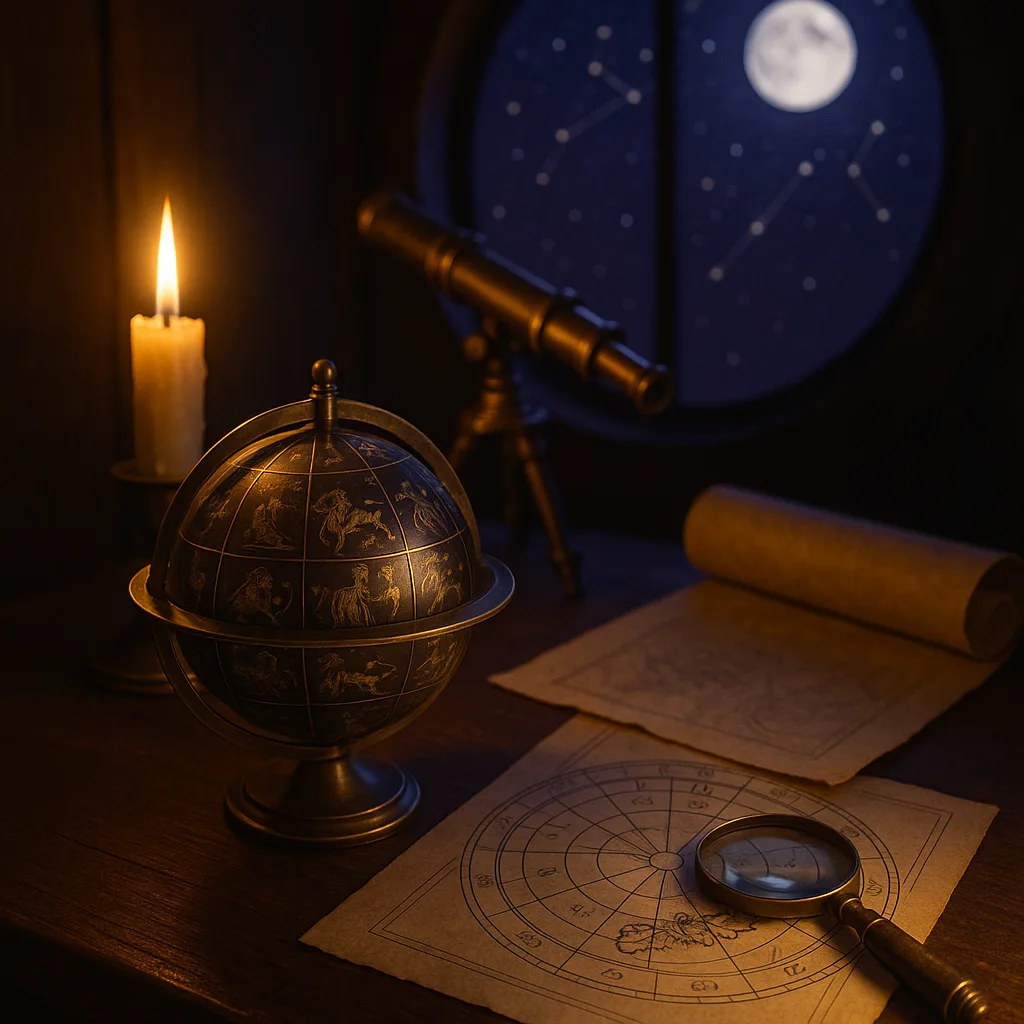
It helps to keep the roles clearly separated so expectations don't get mixed up. Astronomy is the right place to understand physical phenomena: why the Moon changes phases, how stars are born and die, the actual distance between Earth and Saturn. If the question is about how the universe works as matter and energy, science has the answer.
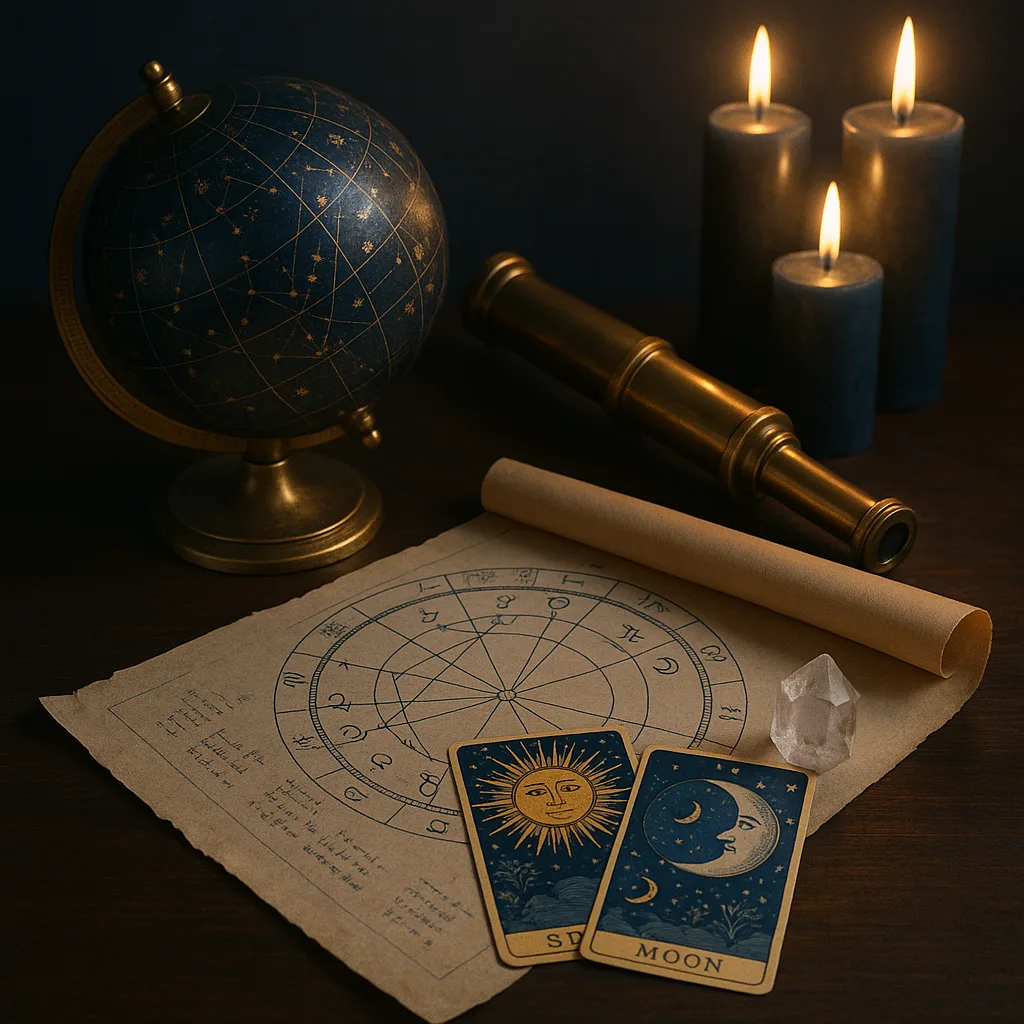
Astrology, on the other hand, is the territory for those seeking meaning, not physical explanation. Reading a birth chart isn't like consulting a technical report on celestial bodies: it's using the positions of those bodies as symbolic language to think through personality, emotional cycles, and life moments. Among astrologers and practice regulars, this distinction is usually clear and doesn't create any conflict with science — they're simply different registers, like comparing a road map to a poem about a journey.
- Astronomy: studies the physics, chemistry, and mathematics of the universe, with testable validation.
- Astrology: symbolically interprets celestial positions as a mirror of human life, with no claim to empirical proof.
- What they share: both were born from the same human impulse to look up at the sky in search of guidance.
Perhaps the most interesting part of this story isn't figuring out which one is right, but noticing how both remain very much alive, each answering a different human need — one explains the cosmos, the other helps us live inside it more consciously.

Recomendado
Bruxaria e astrologia
Guia prático para entrar em sintonia mágica com os 12 signos do zodíaco