Three-Card Tarot: How to Do a Simple Reading for Self-Discovery
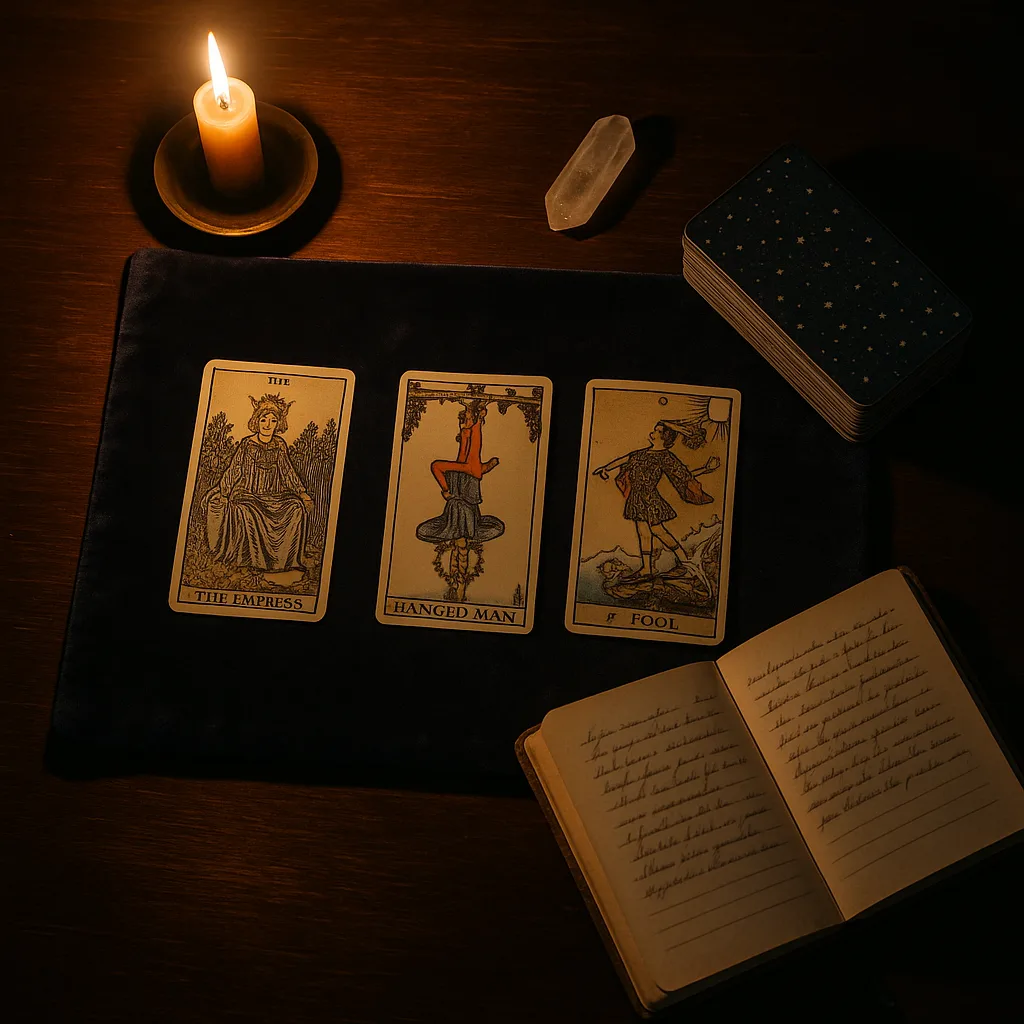
Three Cards on the Table, One Question in Mind
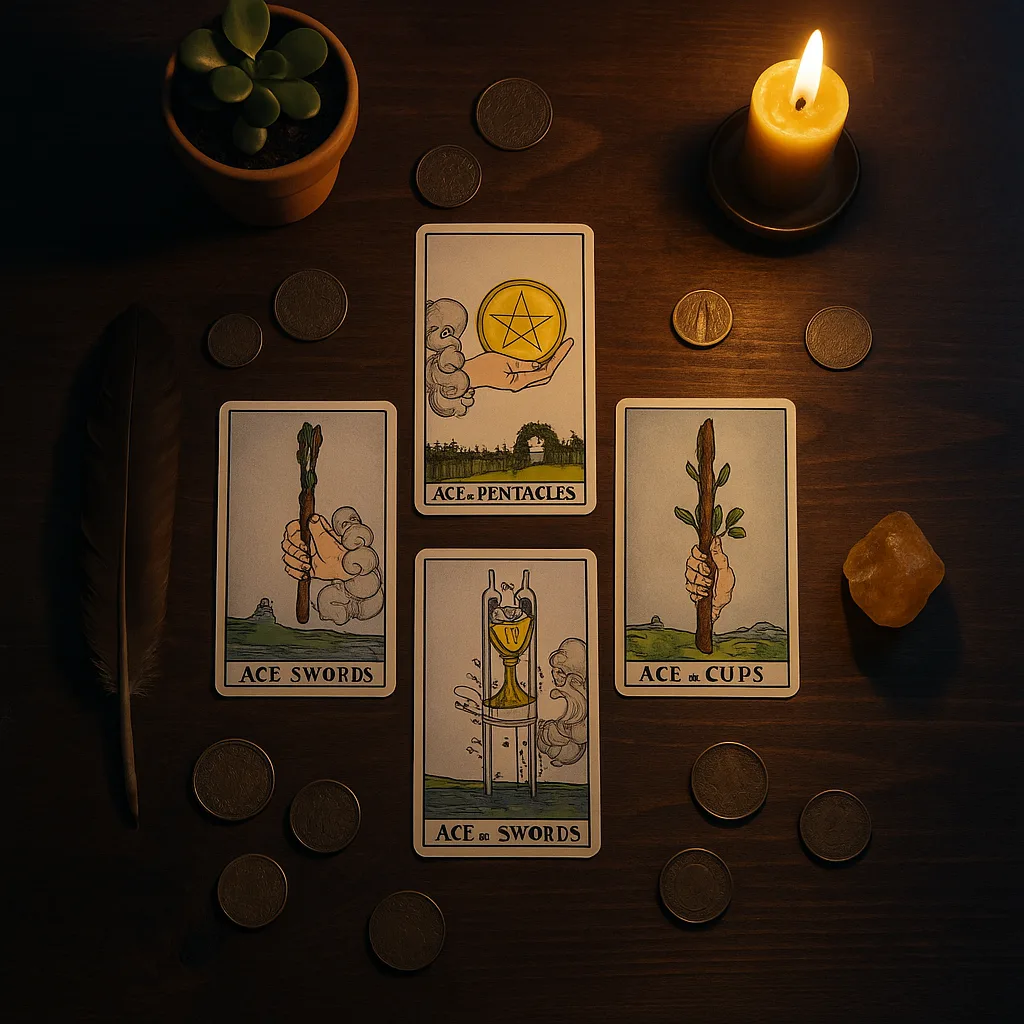
Imagine shuffling a tarot deck alone, by candlelight, with no question about the future in mind, just a wish to understand why the same feeling keeps coming back. That is the kind of moment the three-card spread was made for. It doesn't promise dates or certainties. It offers a pause to hear what is already inside you, something the rush of daily life rarely allows.
Used this way, tarot doesn't work like an oracle deciding your fate. It works more like a mirror shuffled into a new order. The images that appear give your own intuition a prompt to speak up. The answer isn't printed on the card. It comes from the meeting between the symbol and your own story.
Why Three Cards
There's a practical reason this spread is popular among beginners: it forces you to stay focused. There's no room to get lost across twelve positions, so each card has to carry real weight in the story being told. It's small enough to avoid feeling overwhelming, yet complete enough to form a thought with a beginning, middle, and end.
This simplicity is also why the spread works well for concrete self-discovery questions: a recurring argument in a relationship, the feeling of being stuck on a career decision, an emotional pattern that resurfaces under pressure. These situations call for clarity, not a sprawling map, and three well-read cards can deliver that.
Before You Shuffle: Silence Matters More Than Technique
The first step of a self-discovery reading doesn't happen with the cards in your hands. It happens before that. Take a few deep breaths, slow down your thoughts, and ask yourself honestly what's really bothering you. Readings tend to fall flat when the question is vague. Asking 'what's going to happen to me' rarely brings clarity. Asking 'what am I avoiding seeing about this situation with my boss' changes the quality of the answer completely.
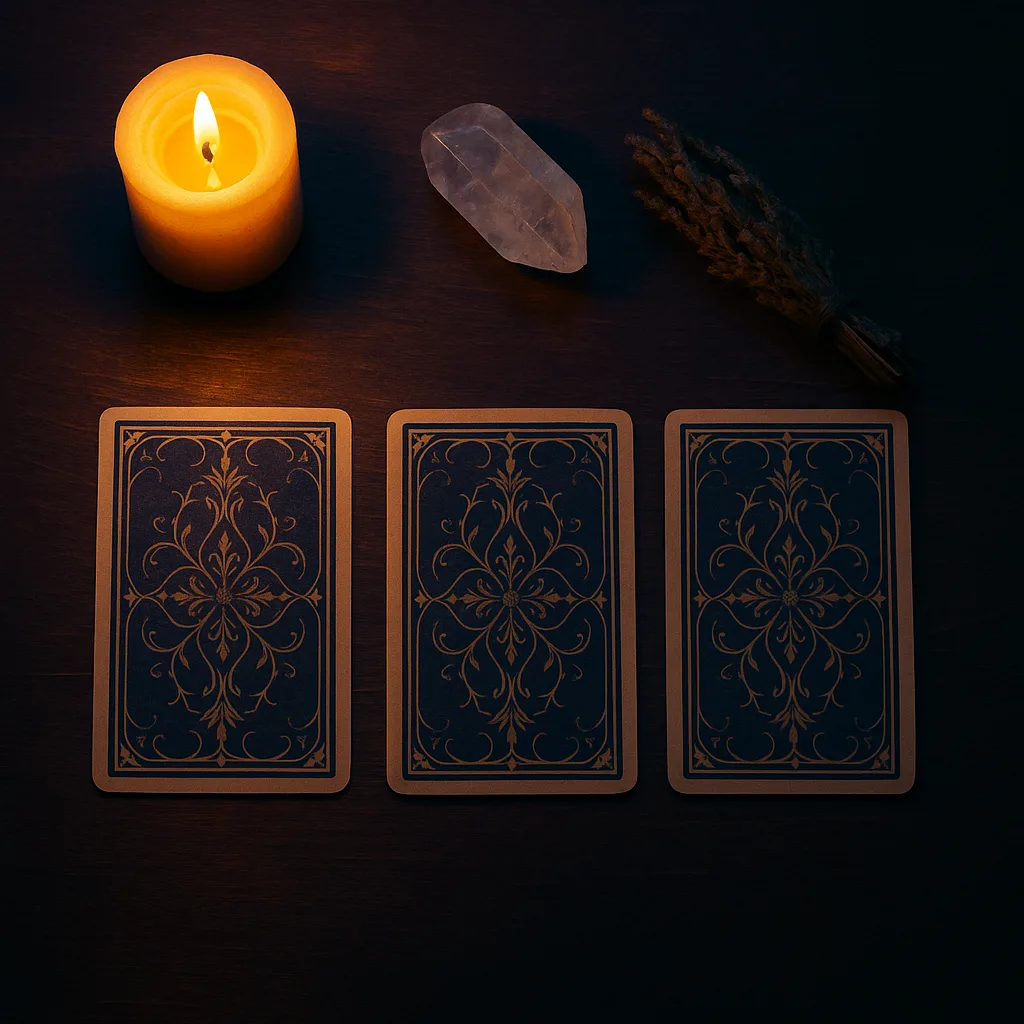
There's no required way to shuffle the deck. Some people split it into three piles, others shuffle it like a regular deck of playing cards. What matters is doing it with attention, keeping the question alive in your mind while your hands work. That simple gesture is what turns a deck of cards into a tool for introspection, rather than just illustrated paper.
Laying Out and Reading the Three Cards
Turn the cards over in the same order every time, from left to right, and decide beforehand what each position represents. One simple way to think about it: the card on the left is the subject, who or what is at play. The middle one is the verb, the action or what's moving right now. The one on the right is the outcome, or the likely direction if nothing changes.
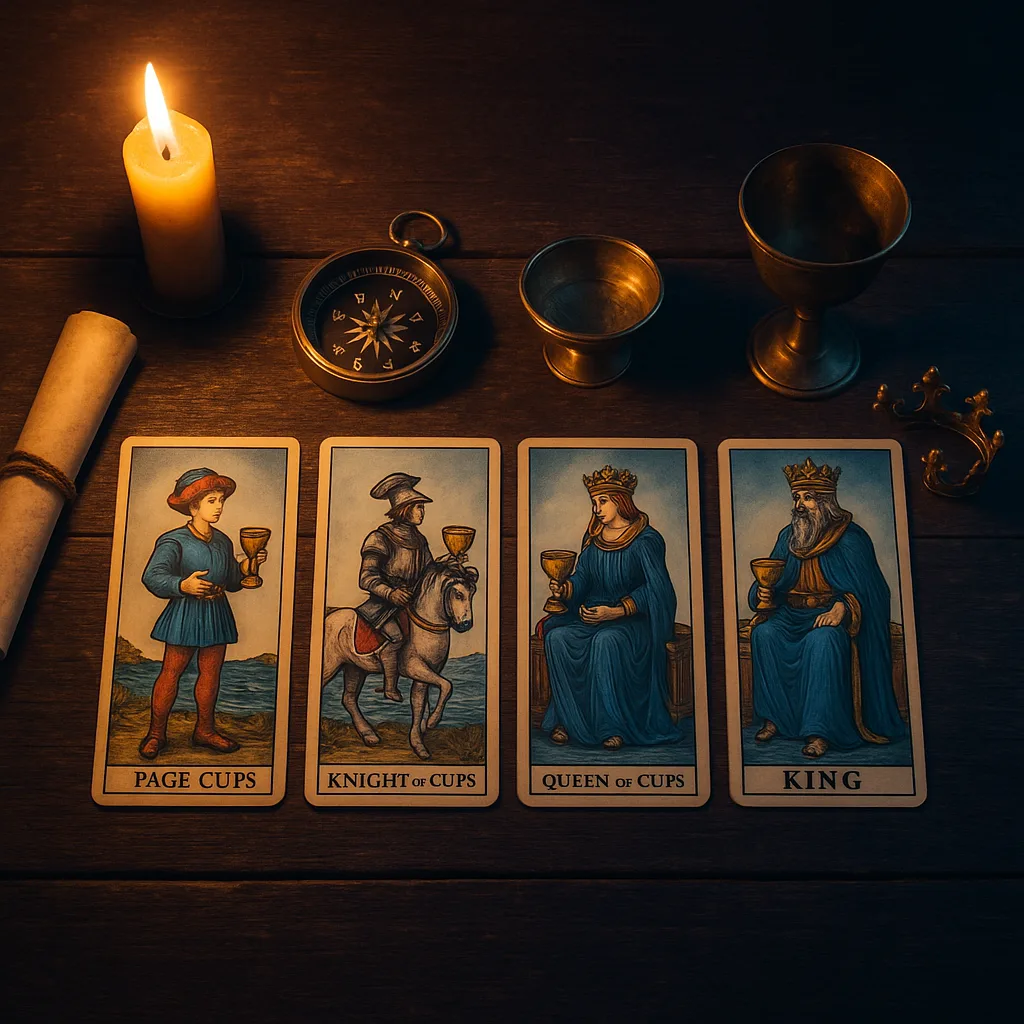
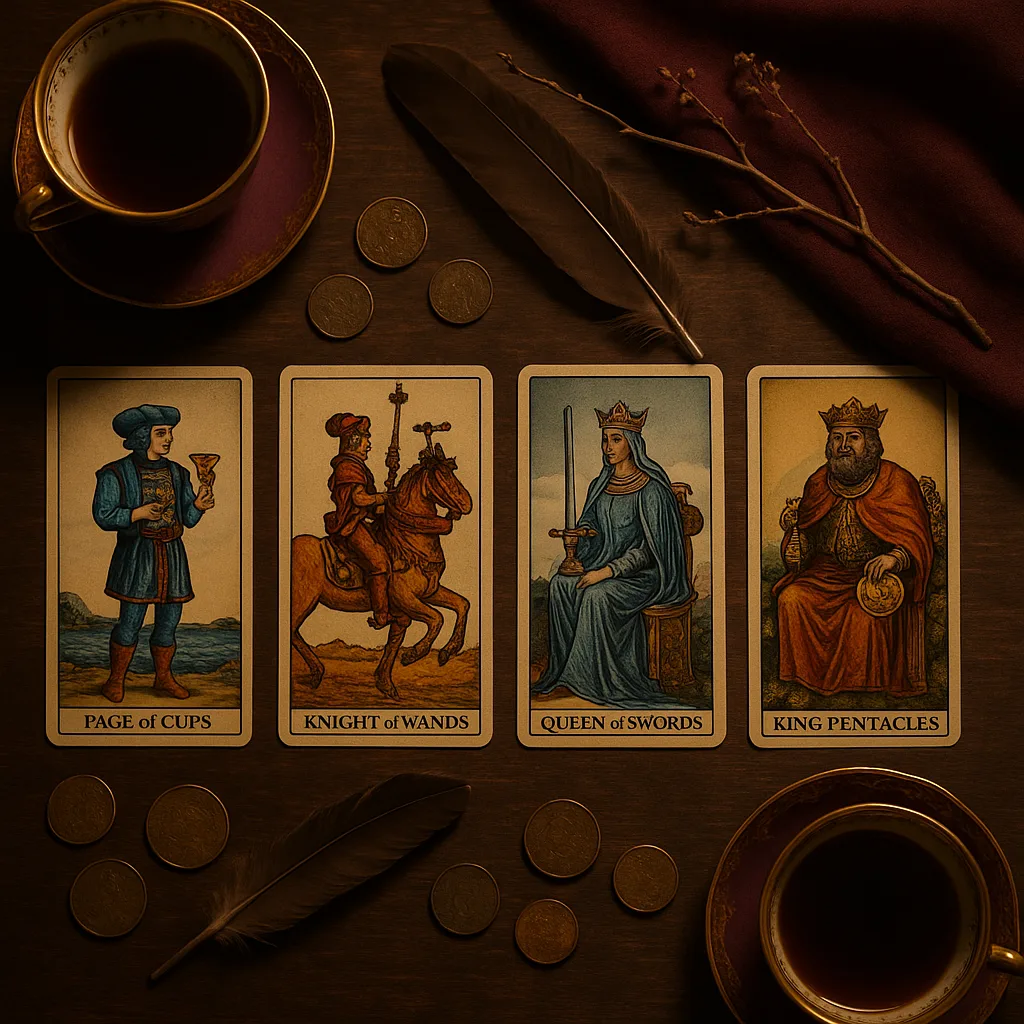
Before rushing to look up each card's meaning in a book, look at all three together for a few seconds. Notice the colors, the figures, whether they seem to be looking at each other or turning away, whether the overall energy feels heavy, light, conflicted, or flowing. That first impression, before any rational analysis kicks in, is often more revealing than it seems. It's your intuition recognizing a pattern before you've named it.
Four Ways to Set Up the Same Spread
The three-card spread's structure can shift depending on the question you bring to it. Here are four useful variations for self-discovery:
- Past, Present, Future: the classic. The first card shows what brought you here, the second reveals the forces at work right now, and the third points to a tendency, not a sealed fate, if the current path continues.
- Situation, Action, Outcome: useful when you already know the problem and need practical guidance. The first card names the real nature of the issue, the second suggests a possible course of action, and the third shows where that action tends to lead.
- Mind, Body, Spirit: a reading focused on well-being. Each card represents a layer: the thoughts dominating your head, what your body is feeling or asking for, and what your intuition or deeper purpose is trying to communicate.
- Shadow Spread: for anyone ready to face something they've been avoiding, a fear, a recurring reaction, a repressed emotion. Here the three cards work as an invitation to slowly look at what you'd normally rather not see.
Reading for Yourself: A Few Things Worth Watching For
Reading your own tarot has a common trap: the temptation to want the card to say exactly what you're hoping to hear. That's why it helps to stay curious rather than anxious. If a card seems 'bad,' ask what it's asking you to notice, not what negative thing it's predicting.
The cards don't tell you what will happen to you; they show, through symbols, what's already happening inside you.
It also helps to write the reading down in a notebook, with the date and the question you asked. Over time these notes become a record of how you interpreted your own questions at different moments, a source of self-knowledge as valuable as the reading itself.
A Practice That Deepens With Repetition
The three-card spread doesn't lose its power with frequent use. Quite the opposite: the more you repeat it, the more you recognize your own patterns in the combinations that come up. Maybe the Tower keeps showing up when you resist a change you need to make, or the Hermit appears during periods when your energy is asking for withdrawal. These recurring encounters with the same cards, in different contexts, reveal the real value of the practice: not predicting the future, but gradually recognizing the threads that make up who you are.

Recomendado
Lewtemi Espelho de tarô acrílico tarô
Lewtemi Espelho de tarô acrílico tarô cartão decoração de parede mística presentes de bruxa para mulheres espaço sagrado cartomante espiritualidade astrologia bruxa magos arte decoração

Recomendado
Incensário Cascata Refluxo Cerâmica
Efeito cascata hipnotizante A fumaça desce como uma cachoeira, criando um visual relaxante perfeito para momentos de calma e foco
Recomendado
Astro Reflexo
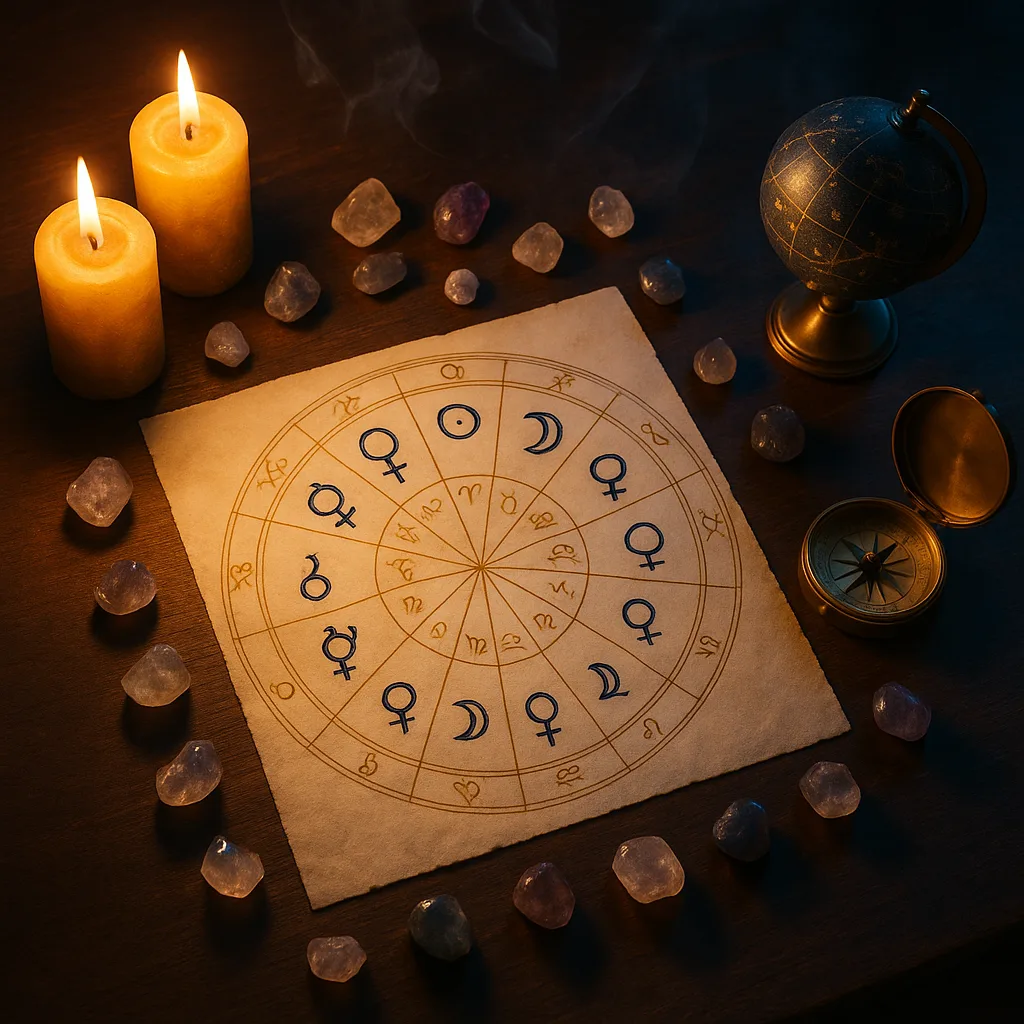
Descubra o que os astros revelam sobre quem você é. Em menos de um minuto, calculamos seu Sol, Lua e Ascendente com precisão astronômica e uma inteligência artificial escreve um resumo personalizado só para você.
Universo Astral Editorial Team · Tarot and moon transits
This article was produced by the Universo Astral editorial team, with AI tools assisting research and drafting and human review before publication. If you spot anything inaccurate or outdated, let us know at our contact email.