The Four Elements of Astrology: Fire, Earth, Air and Water
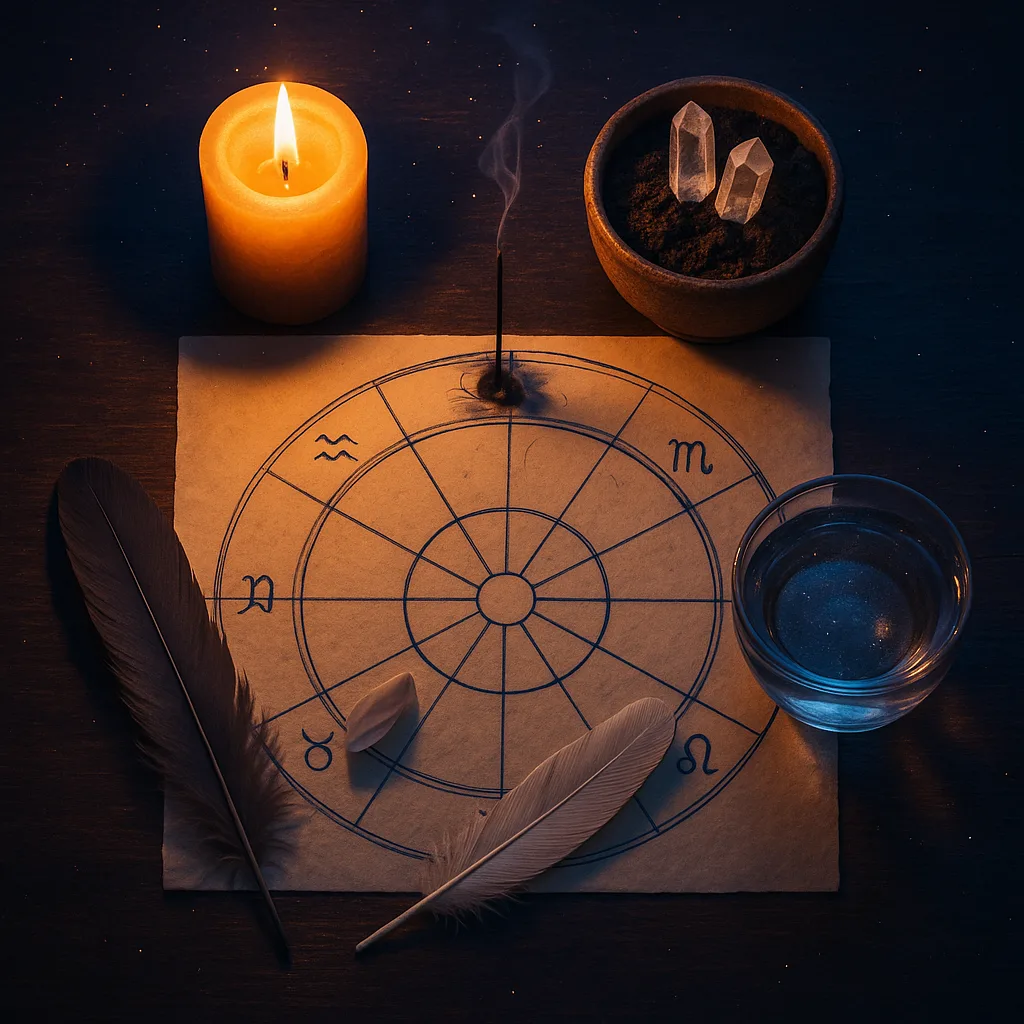
The oldest language of the sky
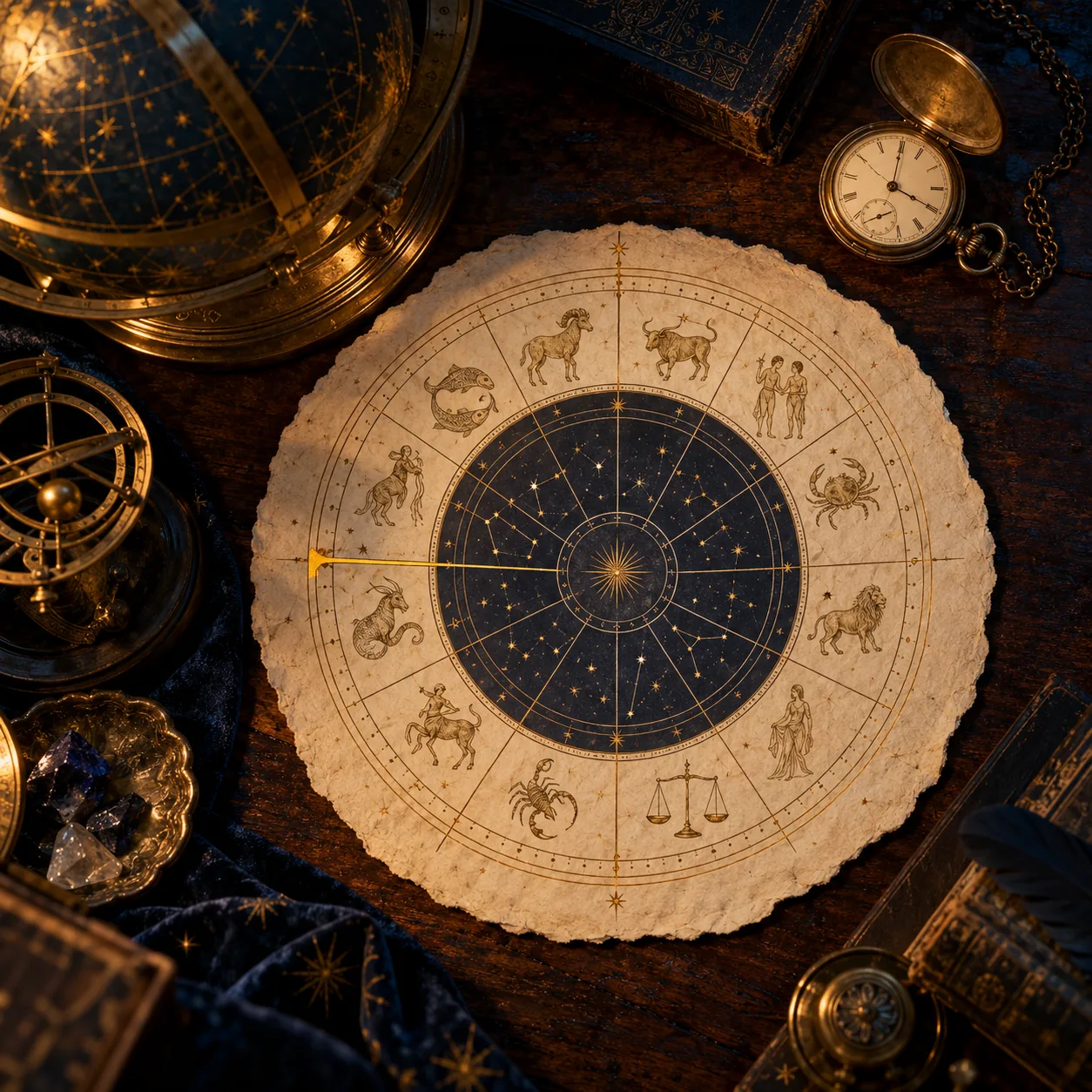
Long before the 12 signs existed as we know them today, there was already talk of four fundamental forces that make up everything in existence. This idea, which traces back to Aristotle's thinking and was absorbed into Western astrology over the centuries, divides the symbolic universe into Fire, Earth, Air and Water. These aren't literal matter, but qualities of energy: different ways life expresses itself, organizes itself and transforms.
Each of the 12 zodiac signs belongs to one of these four groups, and that membership reveals far more than scattered personality traits. It shows the kind of fuel that drives each sign from within. Understanding the elements is like learning the alphabet before reading the words of the birth chart, a foundation that illuminates everything that follows.
The natural cycle: from impulse to dissolution
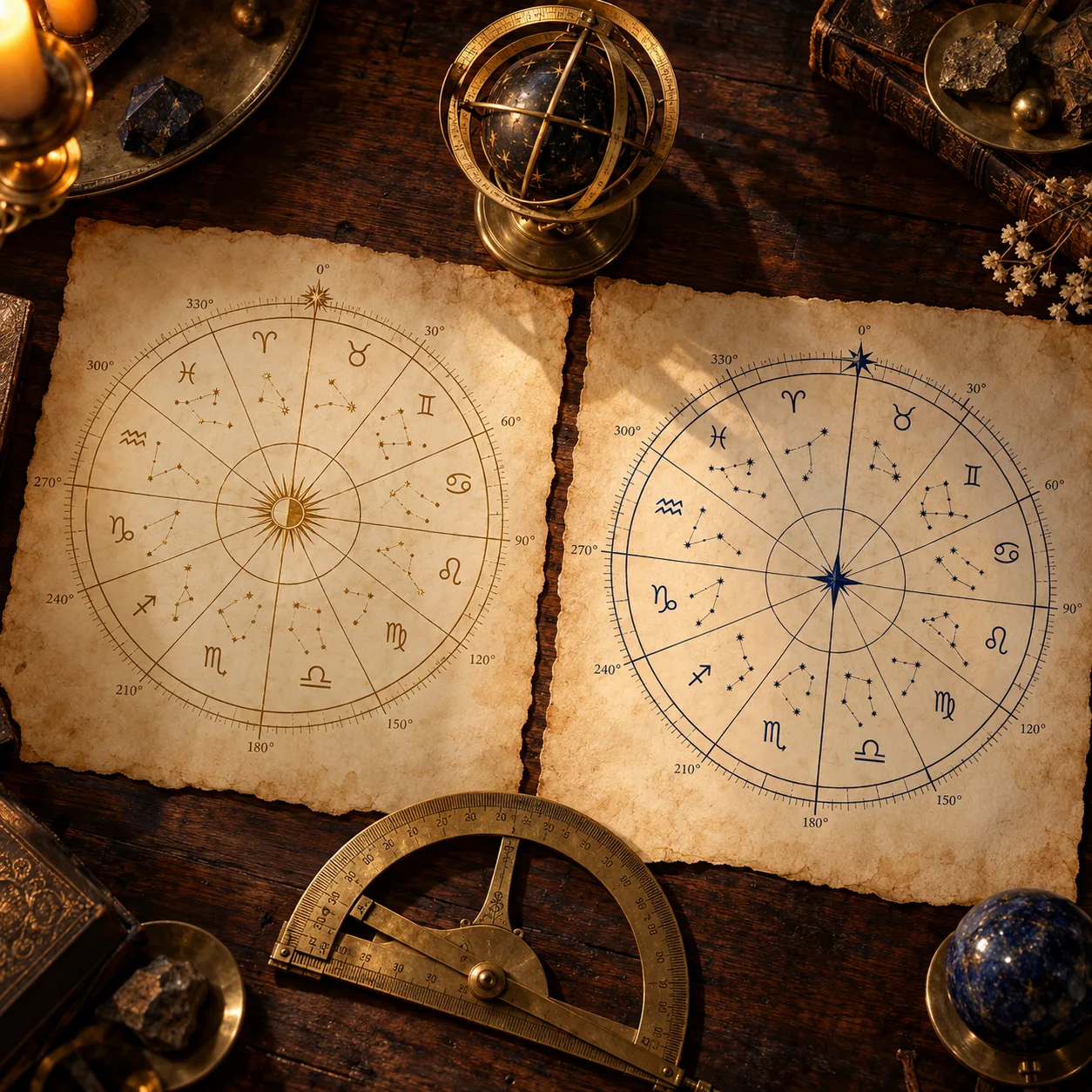
If you look at the order of the signs in the zodiac, you'll notice the elements alternate in a sequence that isn't random. It all begins with an inspiration: the Fire of Aries, which breaks the silence with a will to exist. That raw energy needs form, and it's the Earth of Taurus that materializes it, gives it body, makes it tangible. Then, what has been created needs to circulate, to be communicated and shared: enter the Air of Gemini. Finally, everything that has been lived needs to be felt, absorbed and turned into emotional meaning. That's the role of the Water of Cancer.
This pattern repeats three times across the zodiac, forming what's known as elemental triplicities: a cycle of birth, structure, expansion and feeling that renews itself continuously, like the seasons applied to the experience of living itself.
| Element | Signs | Energetic Quality |
|---|---|---|
| Fire | Aries, Leo, Sagittarius | Initiative, courage, willpower, creative drive |
| Earth | Taurus, Virgo, Capricorn | Practicality, patience, discipline, manifestation |
| Air | Gemini, Libra, Aquarius | Communication, ideas, connections, mental movement |
| Water | Cancer, Scorpio, Pisces | Emotion, intuition, sensitivity, emotional bonds |
Fire: the flame that drives forward
Signs: Aries, Leo and Sagittarius.
Fire is the energy of initiative, courage and the will to express oneself in the world. Those with this element prominent tend to be optimistic, creative and willing to take risks others would hesitate to face. There's a strong need to show off talents, to act on one's own impulse, and to spread enthusiasm to everyone nearby.
Fire's shadow side appears when that flame turns into a blaze: impatience, arrogance, or little sensitivity to other people's feelings. In anger, Fire burns fast and hot, but it also tends to burn out quickly, without holding grudges for long. A lack of this element in the chart can show up as shyness, difficulty taking initiative, or a constant sense of feeling dimmed in the face of life.
Earth: the matter that sustains
Signs: Taurus, Virgo and Capricorn.
If Fire inspires, Earth builds. It's the element of common sense, patience and self-discipline: it trusts the five senses and prefers to weigh things calmly before any important decision. People with a strong Earth presence in their chart tend to be cautious, reliable and persistent. They build step by step, without rushing, and rarely give up halfway through.
Too much of this element can translate into rigidity, excessive attachment to control, or difficulty dreaming beyond what is already known and safe. When Earth is scarce in the chart, a person may struggle to get organized in practical life, to keep up with routines, or to turn ideas into concrete action, as if lacking the material to give shape to what they imagine.
Air: thought in motion
Signs: Gemini, Libra and Aquarius.
Air is the element of ideas, exchange and connections. It governs the curious mind, the need for communication and a genuine desire to understand the world through dialogue. Those with this element prominent tend to be sociable, diplomatic and mentally very active, always searching for new information, new people, new perspectives.
Like the wind, Air circulates without attaching itself to any fixed place, which brings lightness but can also lead to scatteredness. In excess, this element tends toward mental hyperactivity, a preference for theory over practice, or an emotional coolness that makes it hard to connect with deeper feelings. Its absence, on the other hand, can make clear communication difficult, or hinder the ability to view things with rational distance when that's needed.
Water: the emotion that connects
Signs: Cancer, Scorpio and Pisces.
Water is the element of feelings, intuition and the invisible bonds that link one person to another. Through it, we recognize that we're not alone in the world, that there's an emotional web connecting us to others and to ourselves. People with strong Water in their chart tend to be sensitive, empathetic and deeply intuitive, able to perceive what hasn't been said in words.
When this element becomes too intense, difficulty setting emotional boundaries, excessive attachment to the past, or more intense mood swings can surface. A lack of Water, on the other hand, tends to show up as a certain disconnection from one's own feelings, a difficulty naming or even sensing what's happening inside, as if one's own emotions were out of reach.
An ancient echo: the four temperaments
Worth a historical aside here: this fourfold division didn't originate in astrology alone. Ancient Greek medicine, with Hippocrates and Galen, already spoke of four human temperaments (choleric, melancholic, sanguine and phlegmatic), linked precisely to fire, earth, air and water. Astrological tradition absorbed this knowledge, and for a long time these humors were even connected to the phases of the Moon, weaving a symbolic bridge between the sky, the body and human temperament. Historical sources confirm that this association between the four elements and the temperaments of Antiquity was documented in treatises on natural philosophy, influencing Western astrology from the Middle Ages onward.
It's no accident that, centuries later, we still use these same four words to describe both the weather and the human heart.
Dominant element: what your chart reveals
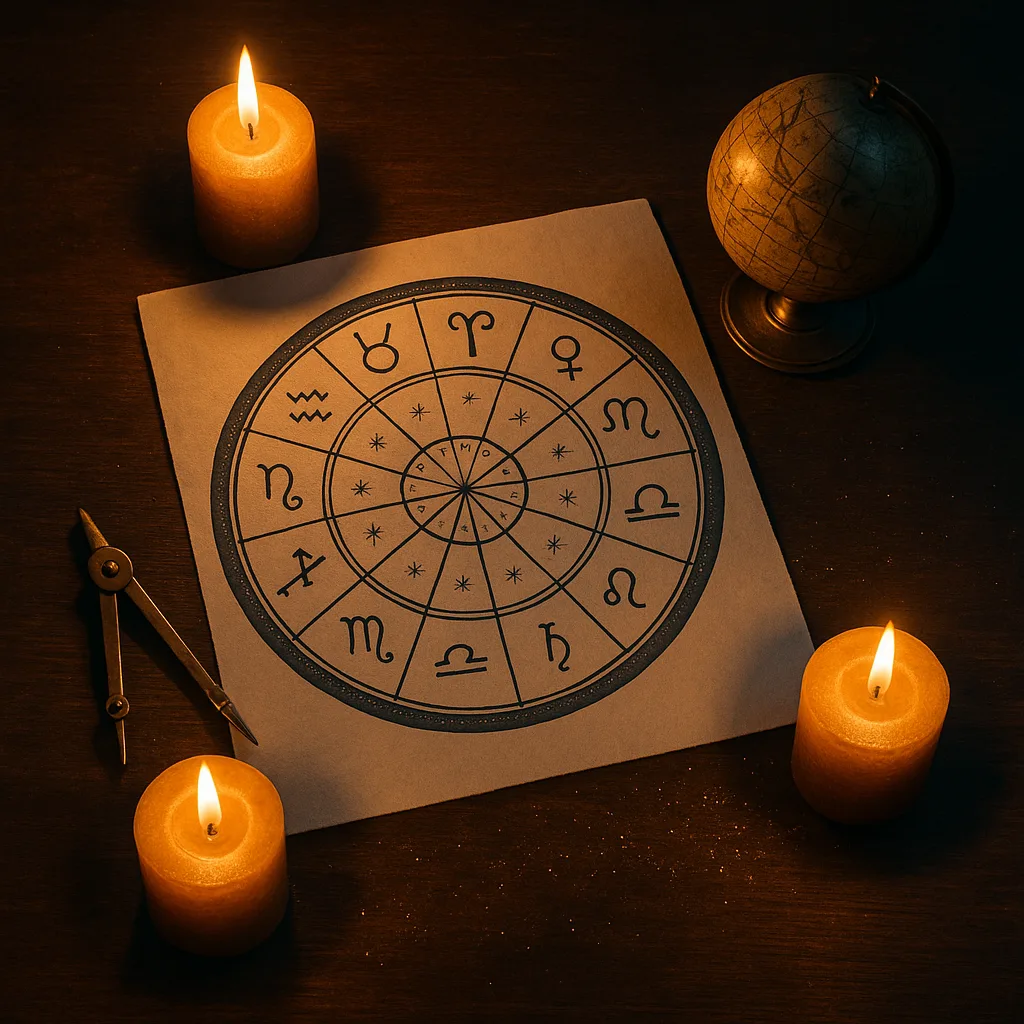
A common mistake is thinking that knowing your sun sign alone tells you your element. In practice, the birth chart is made up of many planets, each placed in a sign and therefore linked to a different element. It's the sum of all these placements that reveals which energy dominates your chart, and which one is scarcest.
Someone with the Sun in Taurus (Earth) might have the Moon in Sagittarius (Fire), Mercury in Gemini (Air) and Venus in Cancer (Water), carrying a bit of each element in different proportions. When one element appears in excess in the chart, it tends to point to very pronounced strengths, but also possible excesses worth watching. When an element is missing or very faint, it can point to an area of growth to be cultivated with more attention throughout life, not as a flaw but as an invitation to grow. To go deeper, see how to handle elemental imbalances in the birth chart and work with the ones that are missing.
Elements and modalities: the combined reading
To enrich this reading even further, each element combines with a modality (cardinal, fixed or mutable), forming the unique archetype of each sign. The cardinal, fixed and mutable modalities define different rhythms of action, and when combined with the elements, they offer a much more nuanced picture of how energy manifests in each sign.
Aries, for instance, is cardinal Fire: the force that initiates something new, that breaks through barriers to move forward. Leo is fixed Fire, sustaining that flame with steadiness, and Sagittarius is mutable Fire, expanding that energy through seeking and exploration. This crossing of element and modality is what makes each of the 12 signs so distinct, even within the same elemental group. The element-modality combination matters enough that it deserves to be understood not in isolation, but also within the context of how the birth chart works as a tool for self-knowledge.
Identifying the elements in your chart: step by step
- Locate all your personal planets: start by identifying where your Sun, Moon, Mercury, Venus and Mars are placed. Each in a different sign, each sign belonging to an element.
- Count how many placements you have in each element: once the five main planets are mapped out, do a simple tally. How many in Fire? How many in Earth? How many in Air? How many in Water? The element with the most occurrences is your dominant one; the one with the fewest is the one that calls for cultivation.
- Look at the element of your Ascendant: if you know your exact birth time, your Ascendant counts too. It represents how you present yourself to the world, and its element shapes the first impression you make on others.
- Note the patterns: two or more planets in the same element reinforce that energetic quality. No planets in a particular element points to an area of potential growth in life, not a weakness.
A symbolic compass, not a sentence
More than fixed labels, the four elements work as a compass for understanding tendencies, inclinations and areas of balance to work on. No element is better or worse than another: each has its gifts and its challenges, and life tends to invite us to develop precisely what we exercise least naturally. Looking at your own chart through this elemental lens is an invitation to self-knowledge, not to fit into a box, but to better understand your own rhythm, and perhaps dance more lightly between the fire that drives, the earth that sustains, the air that connects and the water that feels.
Frequently Asked Questions
How do I identify which element dominates my birth chart?
Identify the sign placement of your Sun, Moon, Mercury, Venus and Mars. Each sign belongs to an element. The element that shows up most often across these five placements is the dominant one. If you know your Ascendant, factor that in too. A simple count shows which energy is most present and which is missing or scarce in your chart.
Is it bad to have an element missing or very weak in the chart?
It's not bad, it's an invitation. A missing element doesn't mean a flaw or deficiency. It points to a quality you can develop intentionally throughout life. Many people deliberately cultivate the elements missing from their chart as a way to gain flexibility and balance their personality.
Which element is strongest or best in astrology?
No element is inherently better than another. Fire brings initiative, Earth brings follow-through, Air brings understanding, and Water brings sensitivity. What makes a chart balanced is having access to a bit of each quality. Too much of any element can create rigidity, just as its absence can create gaps to fill.
My sun sign belongs to one element, but my Moon is in another. How does that affect my personality?
It creates an interesting complexity. The Sun represents your conscious identity and will, while the Moon rules emotions and inner needs. Having different elements between them means you might come across one way on the outside (Sun's element) and be another way on the inside (Moon's element). This combination offers versatility, but it can also create tension that needs to be integrated.
Can I change or develop an element that's missing from my chart?
Yes, although it won't change your natal chart. A missing element in the chart is a birth pattern, but you can consciously develop the qualities of that element through practice, learning and experience. Many astrologers consider this one of the evolutionary functions of the birth chart: pointing to what we have the chance to cultivate.

Recomendado
Manual Prático da Astrologia
O universo sempre exerceu um fascínio indescritível sobre a humanidade. De todas as suas maravilhas, a astrologia se destaca como uma antiga arte que tem intrigado e inspirado gerações.
Universo Astral Editorial Team · Birth charts and numerology
This article was produced by the Universo Astral editorial team, with AI tools assisting research and drafting and human review before publication. If you spot anything inaccurate or outdated, let us know at our contact email.