Destiny Number in Numerology: Birth Date or Name? Learn Both Calculations
Master numbers: when the reduction should stop
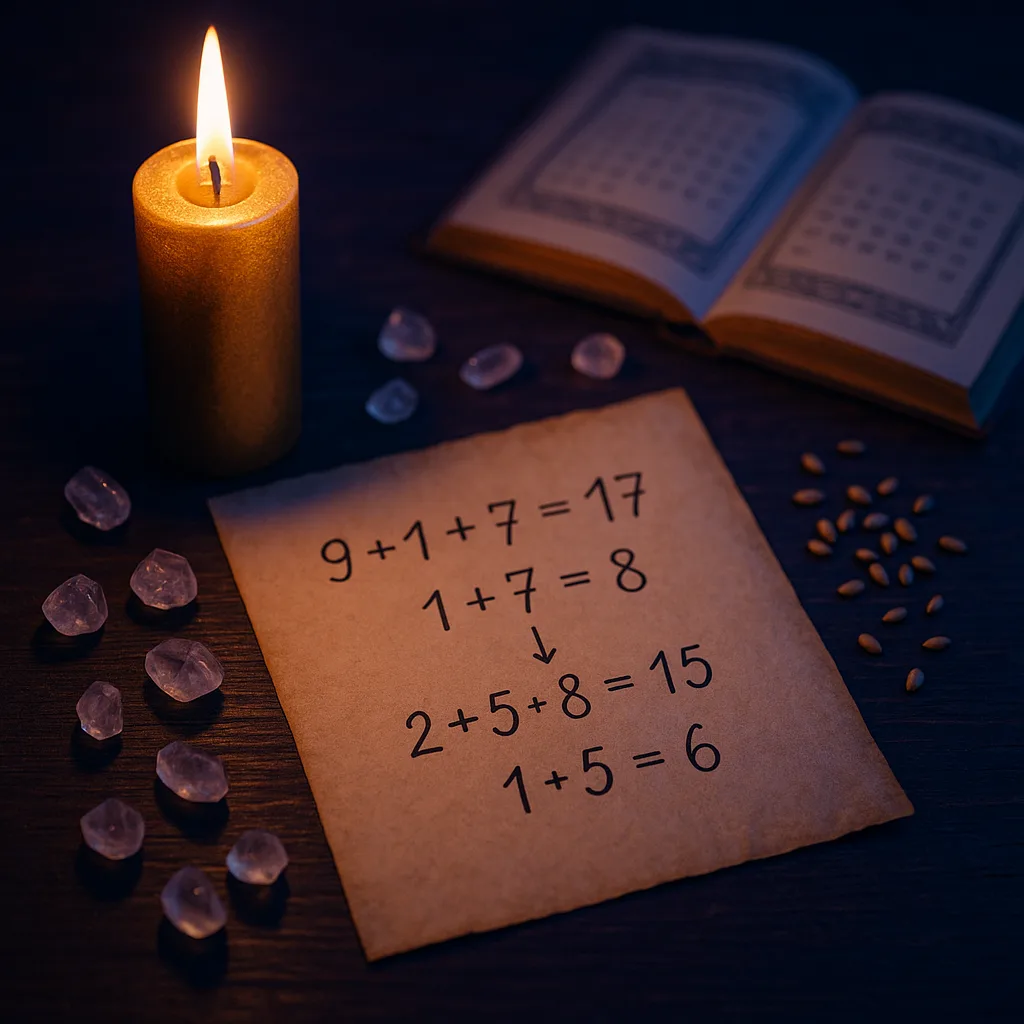
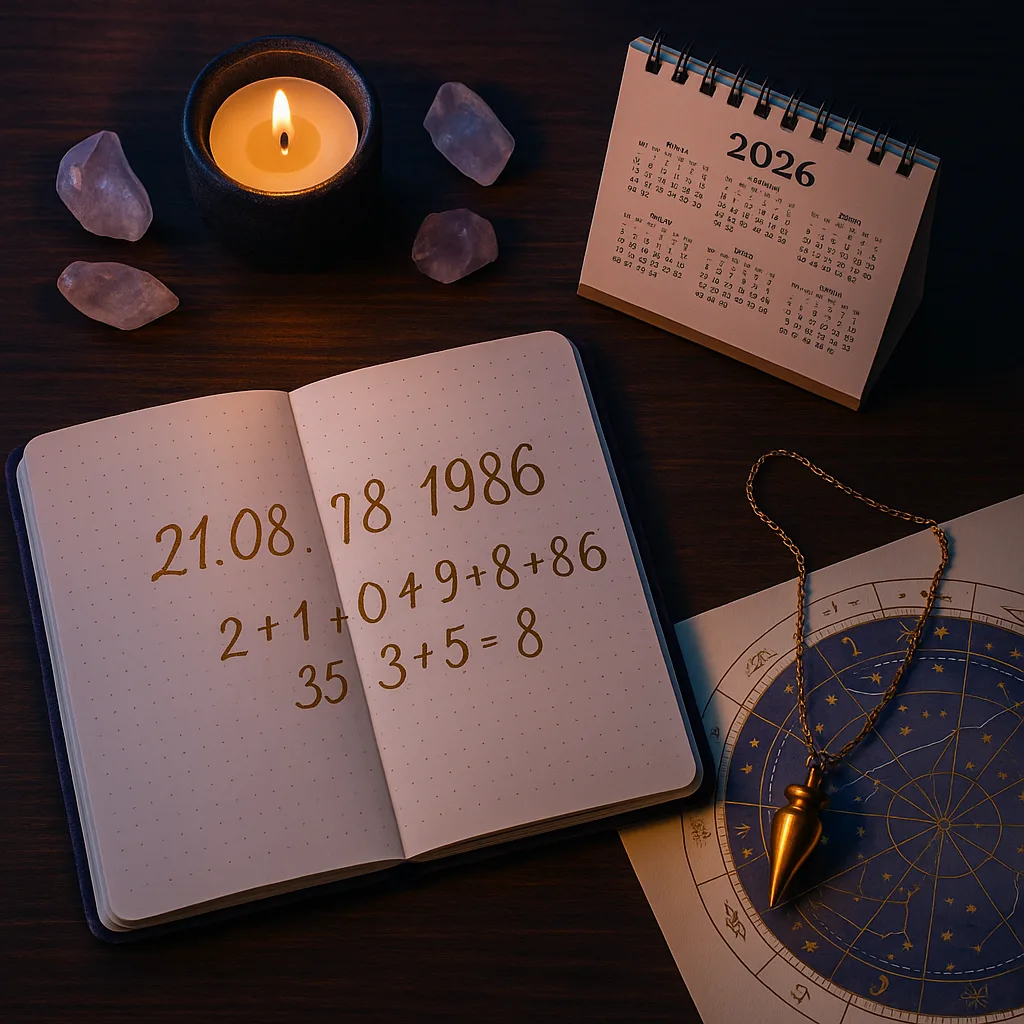
In either method, there's one important exception: if at any point during the addition you land on 11, 22, or 33, the reduction stops right there. These are the master numbers — considered rare and more intense than the others, because they carry both the energy of the double-digit number and the energy of the digit they would normally reduce to (11 carries the essence of 2, 22 carries the essence of 4, 33 carries the essence of 6).
Being born under a master number, or having one tied to your name, is often described as a vibration of greater potential — but also greater demands. The 11, for example, is frequently called the old soul number: people carrying this mark tend to have easy access to the unspoken, an almost intuitive sensitivity for picking up on hidden truths, and a presence that inspires others to take action, often without any conscious effort to do so. It's often said that it's hard to be close to someone with an 11 without feeling, in some way, infected by a drive to do more.
What each number tends to reveal
Regardless of which method is used, the archetypes from 1 to 9 follow a similar logic, though the name-based method tends to emphasize outward expression while the birth-date method leans more toward underlying purpose:
- 1 — arriving with a lesson in independence and leadership; a tendency to blaze new trails rather than follow paths already laid out.
- 2 — sensitivity and a calling for partnership; energy symbolically tied to the Moon, favoring diplomacy and deep listening.
- 9, in the name-based version — a natural talent for sensing when something isn't true; it tends to be hard to fool someone with this mark, since they read character with ease.
- 9, in the birth-date version — carries the idea of closing a cycle, of someone who arrives to wrap up a chapter and offer a bigger-picture view to those around them.
These descriptions work better as a starting point than as a finished portrait — the number points to a tendency, it doesn't script your entire life story.
How to use both numbers in practice
If you want a fuller numerological reading of yourself, it's worth calculating both numbers and noticing where they align and where they diverge. When the birth-date number and the name number point toward similar energies, it's a sign that your underlying purpose and the way you present yourself to the world are in sync. When they diverge, that's not a problem — it just means there's some distance between what you were born with and what's still being built through your identity and personal expression.
Your birth-date number shows the karma you arrived with; your name number shows the karma you choose to express.
It's worth noting that married names, nicknames, and stage names carry weight too — known as a minor expression number — but they tend to play a secondary role compared to your original birth name, which remains the go-to reference numerologists use for this particular calculation.
In the end, having clarity about which number you're actually calculating helps avoid the most common confusion among numerology beginners: comparing results from different sources and assuming they're the same number, when in reality they're describing distinct layers of the same person.
Recomendado
Astro Reflexo
Descubra o que os astros revelam sobre quem você é. Em menos de um minuto, calculamos seu Sol, Lua e Ascendente com precisão astronômica e uma inteligência artificial escreve um resumo personalizado só para você.